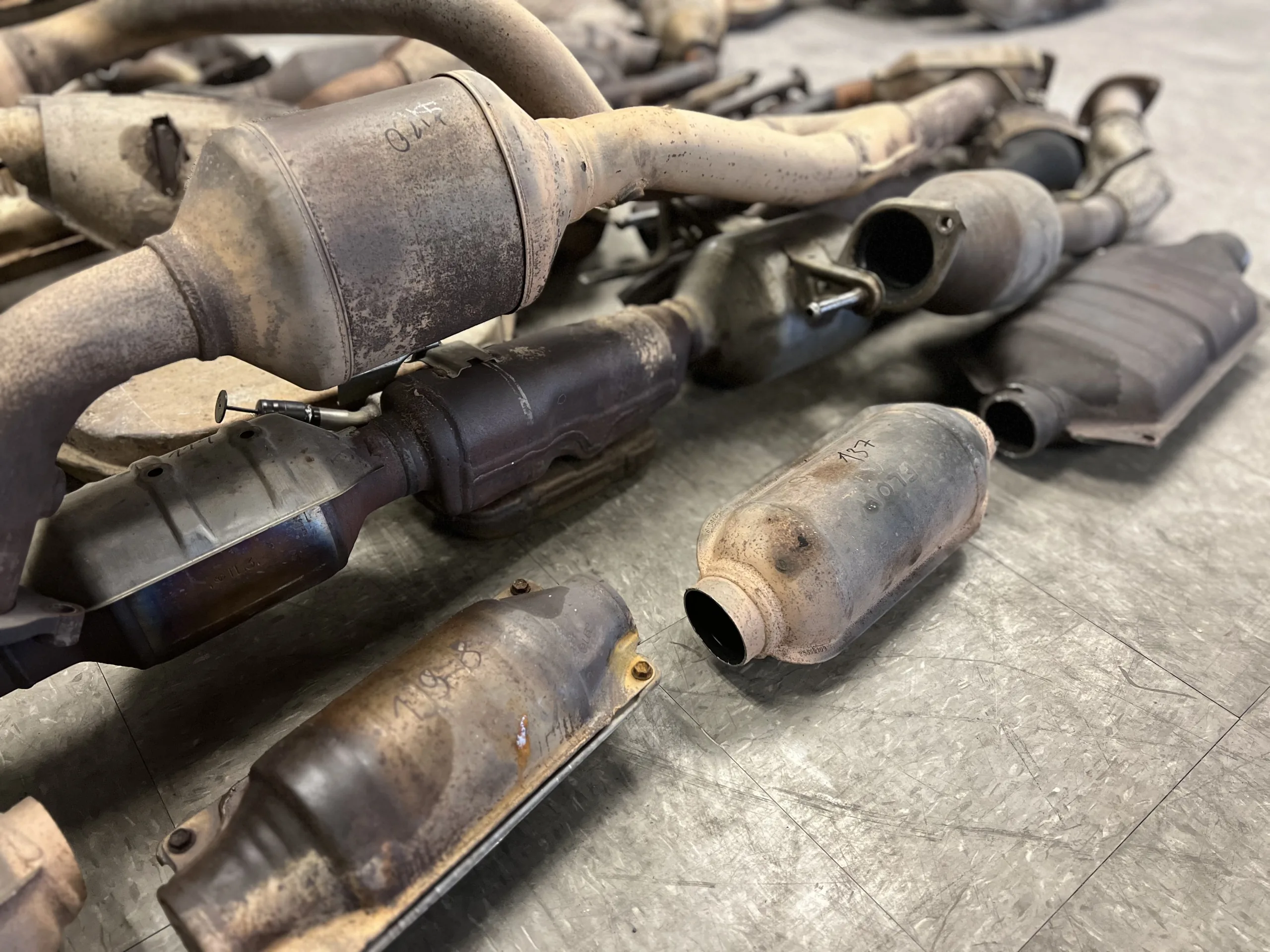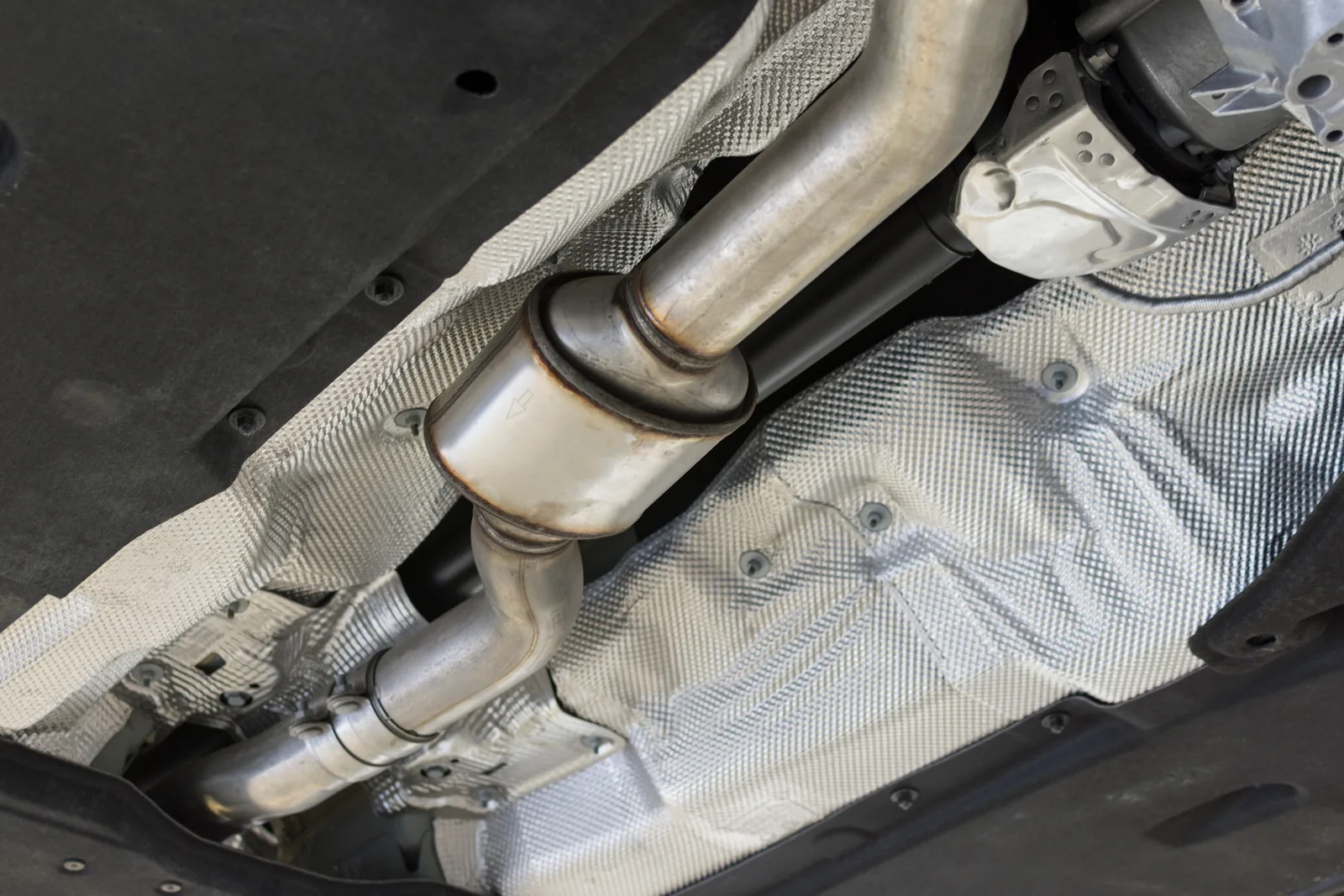
Every 30 seconds, someone loses their catalytic converter to theft. Between 2020 and 2022, insurance claims for stolen converters skyrocketed by an astonishing 288%, transforming this once-rare crime into a multi-million dollar underground industry. Vehicle owners across the globe find themselves facing repair bills of $2,000 to $3,500, while criminals pocket quick cash from a sprawling black market network that spans continents.
Understanding how this illicit trade operates helps vehicle owners protect their assets and encourages legitimate recycling practices. At Recohub, we believe transparency about the black market problem reinforces why ethical recycling matters—both for the environment and for communities affected by this crime wave.
Why Do Criminals Target Catalytic Converters?
Criminals target catalytic converters because they contain platinum group metals (PGMs) – platinum, palladium, and rhodium – worth more per ounce than gold. A thief equipped with a battery-powered saw can remove a converter in under 60 seconds, walking away with a component worth anywhere from $50 to over $1,400 on the black market.
The economics driving this crime are staggering. Rhodium prices have reached $28,000 per ounce during peak periods, while palladium has traded above $3,000. Even at lower current market rates, the precious metal content inside converters makes them irresistible targets. Hybrid vehicles command the highest catalytic converter price on the black market because stricter emissions standards require higher concentrations of these rare metals. A single Toyota Prius converter can fetch nearly $1,000 for less than a minute’s work.
How Does the Black Market for Stolen Catalytic Converters Work?
The black market operates through a sophisticated supply chain connecting street-level thieves to international precious metal refineries. Street thieves represent the bottom rung, earning $50 to $350 per converter from local middlemen. These intermediaries accumulate hundreds of stolen units before selling them to larger processing operations.
According to the U.S. Department of Justice, federal prosecutors dismantled a nationwide theft ring that generated over $600 million by purchasing stolen converters from thieves across multiple states. The operation shipped precious metal powders to overseas refineries, demonstrating how local crimes connect to global markets.
The Processing Chain
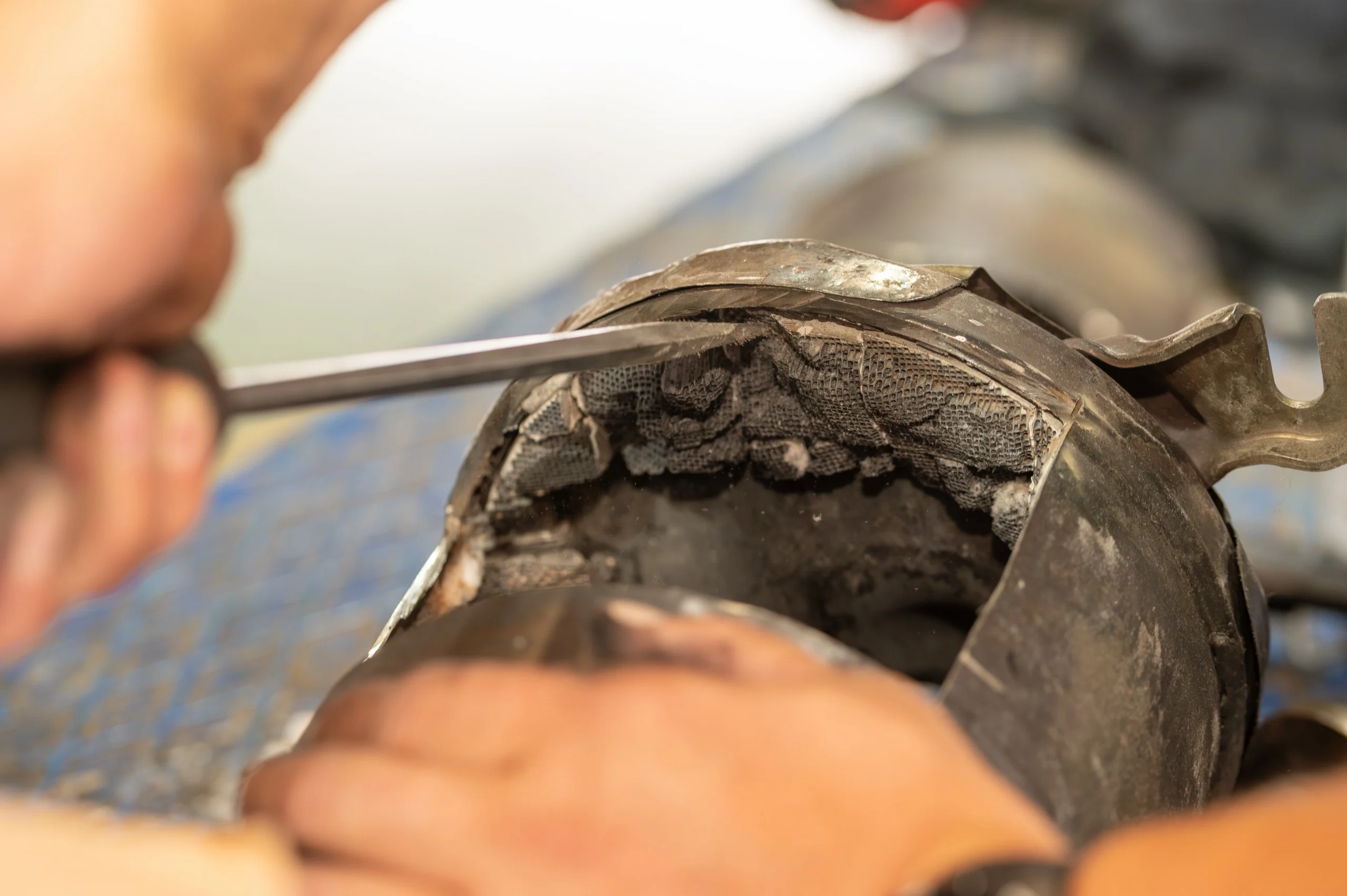
Once stolen converters reach processing facilities, workers “de-can” them by cutting open the metal casing to access the ceramic honeycomb core coated with precious metals. Industrial equipment grinds this material into fine powder, concentrating the PGMs for sale to refineries. Legitimate recyclers perform this same process legally, but black market operators skip documentation requirements and identity verification, making stolen goods virtually untraceable.
For deeper insight into how criminal networks exploit legitimate recycling channels, explore our analysis of the black market for stolen catalytic converters.
The Scale of the Problem: Statistics and Trends
The numbers paint a troubling picture. Data from the National Insurance Crime Bureau (NICB) reveals that reported thefts jumped from 1,298 in 2018 to over 64,700 in 2022 – a nearly 5,000% increase. The total cost to victims exceeded $382 million in 2022 alone, accounting for repair expenses, lost wages, and transportation alternatives.
Catalytic Converter Theft Claims by Year
Year | Insurance Claims | Year-over-Year Change |
2018 | 1,298 | Baseline |
2019 | 3,389 | +161% |
2020 | 16,660 | +392% |
2021 | ~52,000 | +212% |
2022 | 64,701 | +24% |
2024 (H1) | ~3,800 | -74% |
Source: National Insurance Crime Bureau (NICB) data
Recent news offers cautious optimism. Insurance claims dropped 74% in the first half of 2024 compared to the same period in 2023. This decline stems from falling precious metal prices, aggressive law enforcement operations, and new legislation requiring stricter documentation from scrap metal dealers.
What Makes Rhodium So Valuable in the Black Market?
Rhodium commands extraordinary value because of its extreme rarity and irreplaceable role in emissions control. Mining operations extract just 30 tons of rhodium annually worldwide, compared to approximately 190 tons of platinum. This scarcity, combined with tightening global emissions standards, creates persistent demand that criminals exploit.
Understanding what makes rhodium so special in catalytic converters helps explain why thieves target specific vehicles. Converters from diesel engines and hybrid vehicles typically contain higher rhodium concentrations, making them prime targets. The catalytic converter scrap price fluctuates with rhodium markets, creating periods of intense criminal activity when prices spike.
Law Enforcement Response and Legislative Action
Authorities have escalated their response dramatically. The Department of Justice coordinated a nationwide takedown in November 2022, arresting 21 individuals and executing 32 search warrants across nine states. Federal prosecutors sought $545 million in forfeitures from defendants who operated processing centers that bought from local thieves and sold to international refineries.
State legislatures have passed over 100 bills since 2021 targeting various links in the criminal supply chain. Common provisions include mandatory identification requirements for sellers, waiting periods before payment, electronic record-keeping obligations for scrap dealers, and enhanced criminal penalties. The federal PART Act proposes requiring VIN etching on all new converters, creating a traceable link between parts and vehicles.
How to Protect Your Vehicle and Sell Responsibly
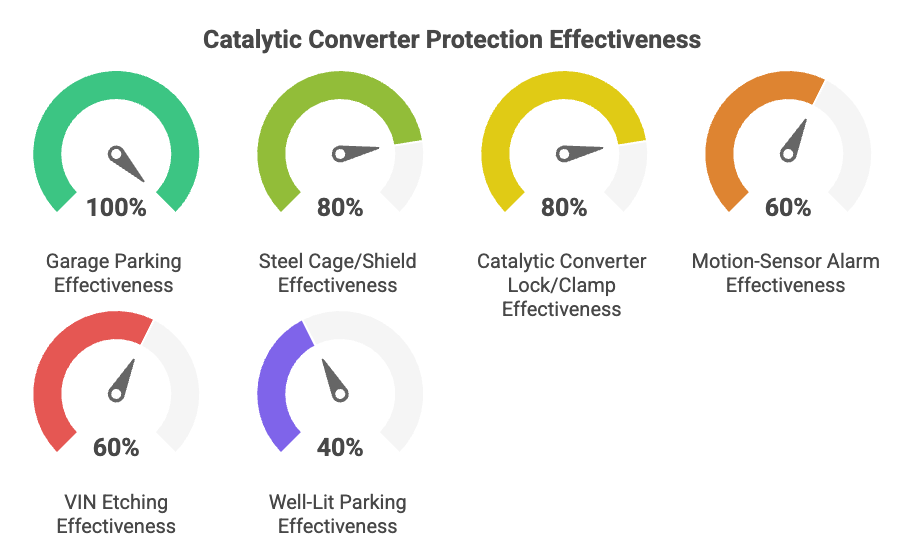
Vehicle owners can take several practical steps to deter thieves. Parking in well-lit areas or enclosed garages significantly reduces risk. Anti-theft devices, including steel cages and cable locks, add barriers that extend the time needed for removal – often enough to discourage opportunistic criminals. VIN etching helps law enforcement trace recovered parts and may deter buyers who fear prosecution.
When your converter reaches end-of-life legitimately, choosing an ethical recycler matters. Working with certified facilities like Recohub ensures proper documentation, fair pricing, and environmentally responsible processing. Legitimate recyclers verify ownership, maintain detailed records, and comply with all regulatory requirements – practices that undercut black market operations while maximizing your return.
Why Ethical Recycling Matters
The black market damages more than individual vehicle owners. It distorts legitimate precious metal markets, undermines environmental regulations, and funds criminal networks. Converters stolen from vehicles release harmful pollutants when owners drive without proper emissions equipment, contributing to air quality problems in affected communities.
Ethical recycling recovers valuable materials while maintaining the documentation trail that law enforcement needs to combat theft. Professional recyclers invest in proper processing equipment, environmental controls, and compliance systems that protect workers and communities. By choosing legitimate channels, sellers support an industry that reduces mining demand for new precious metals – a significant environmental benefit given the ecological impact of PGM extraction.
Choose the Right Partner for Your Catalytic Converter
The black market for stolen catalytic converters thrives on anonymity and lax enforcement. Choosing a reputable recycler like Recohub closes that gap by ensuring your materials enter legitimate supply chains. Our UAE-based facility offers competitive pricing, transparent processes, and full compliance with international recycling standards.
Whether you manage a fleet, operate an automotive repair shop, or simply have a worn-out converter from your personal vehicle, responsible recycling protects your reputation while contributing to the fight against organized theft. Contact Recohub today to learn how we can help you recover maximum value from your catalytic converters through ethical, certified recycling.