Introduction: This guide walks metal collectors, scrapyards, and refiners through practical steps that consistently increase real-world payouts when selling metal ores and spent catalytic converters, from smarter preparation and sampling to better timing and settlement terms.
- Clarify what buyers value most in ores and catalytic converters.
- Prepare materials so they assay higher and sell faster.
- Use sampling and data to negotiate from a position of strength.
- Time your sales with market trends and refiner demand.
- Structure settlements to protect your downside and upside.
- Apply small, realistic process tweaks that improve net returns.
How to Maximize Value When Selling Metal Ores & Catalysts
Collectors and refiners often focus on volume, but margin usually hides in the details. The same truckload of ore concentrate or spent catalytic converters can generate very different settlements depending on how it is prepared, sampled, and sold.
This article focuses on practical, field-tested actions you can take to boost realized value, reduce disputes with buyers, and turn sporadic loads into a reliable, data-based business.
1. Pre-sale preparation: sorting, cleaning, paperwork
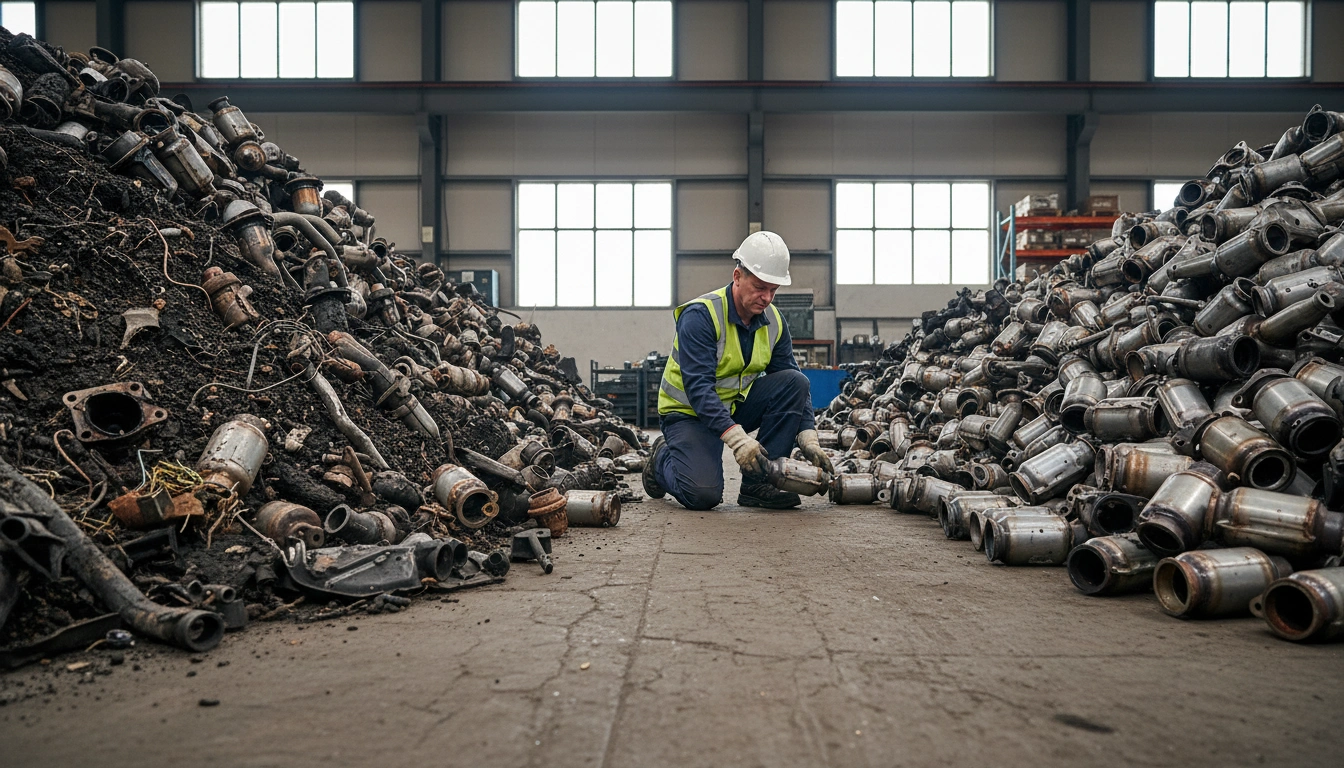
Preparation is the one stage you fully control. Small improvements here ripple through assays, negotiations, and final payout.
Sort by type, grade, and risk
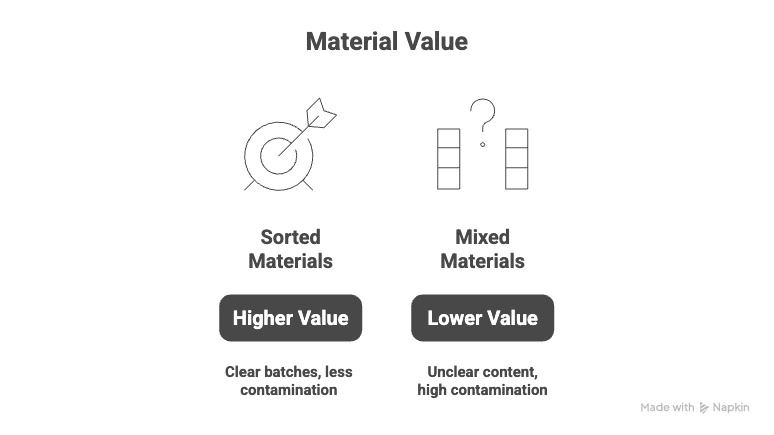
Mixed loads cause underpayment. When the buyer cannot easily see or sample what is inside, they lean conservative on terms.
For metal ores and concentrates:
- Separate by ore type and known grade ranges.
- Keep high-grade pockets out of low-grade bulks that might dilute their value.
- Flag materials with potential contaminants (arsenic, fluorine, etc.) so they can be handled distinctly.
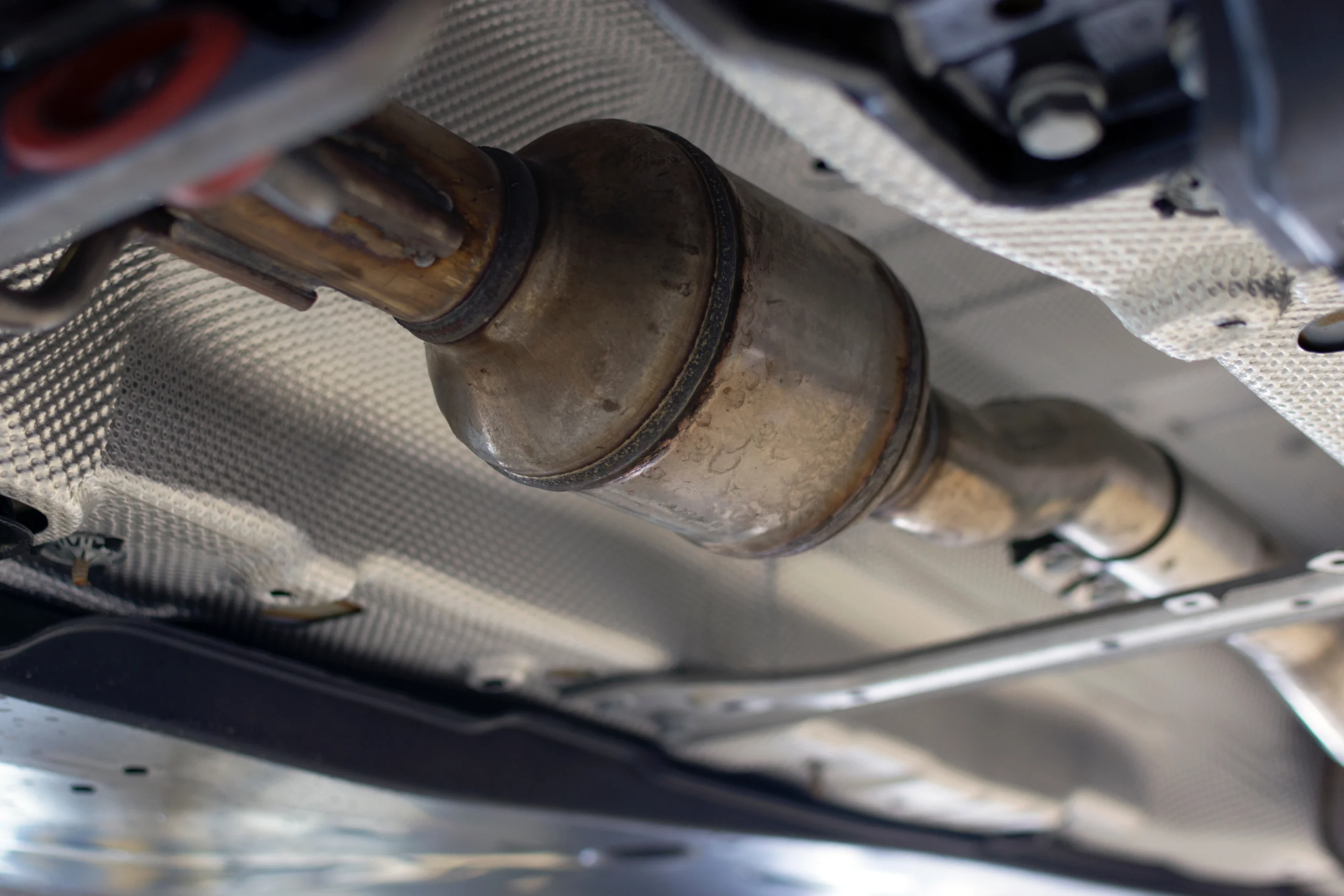
For catalytic converters and other automotive catalysts:
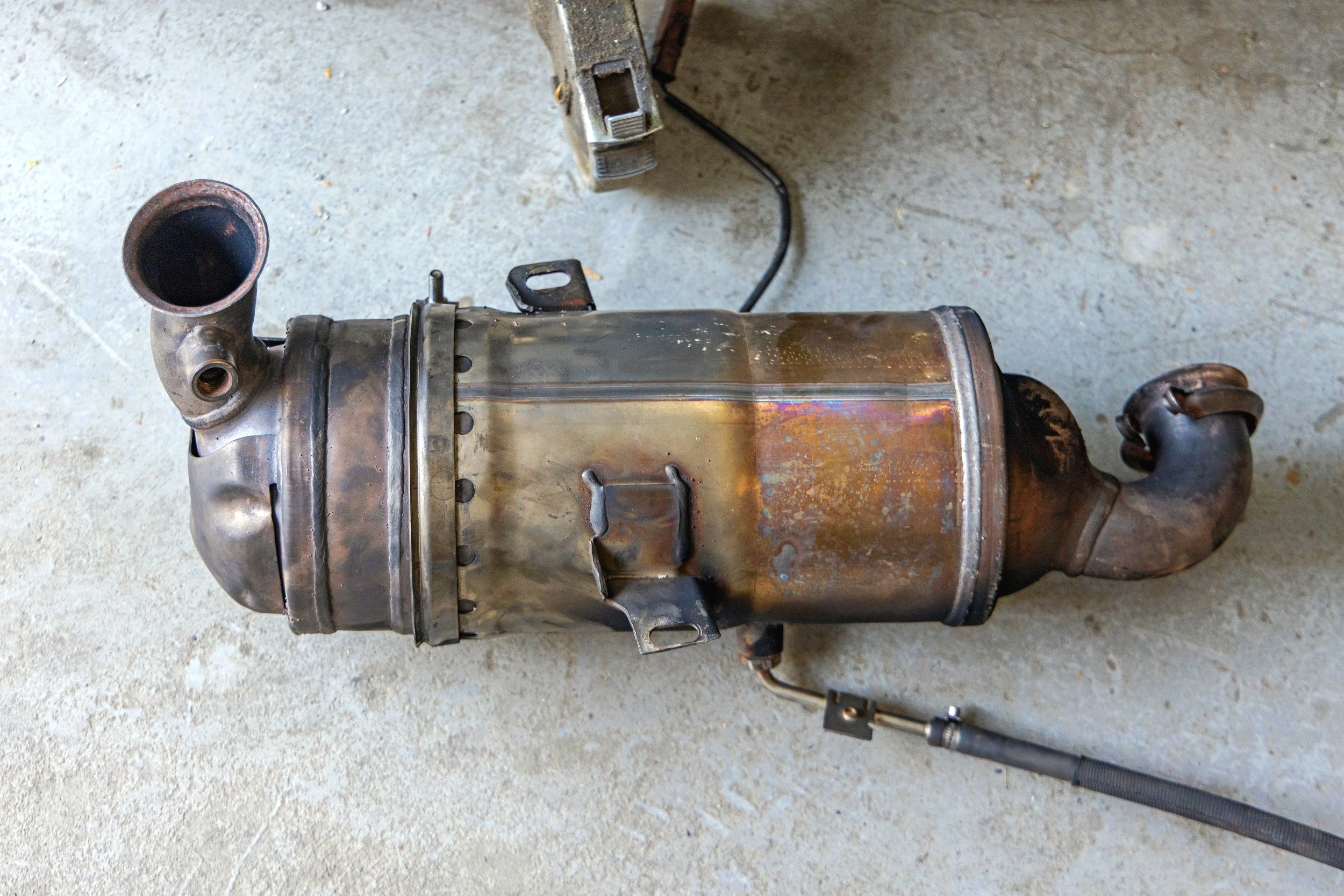
- Keep ceramic, metallic, and diesel particulate filters in separate batches.
- Group similar part numbers and vehicle brands together when possible.
- Isolate damaged or obviously empty housings so they do not drag down good material in the same lot.
Remove avoidable contamination
Refiners pay for metal values, not dead weight. Contamination also makes assays less representative and more open to dispute.
Examples that consistently pay off:
- Drain and remove obvious oils, coolants, and sludge from ore batches and filter cakes.
- Knock off adherent soil, stones, and rust flakes from scrap catalyst housings.
- Remove loose steel brackets, clamps, and exhaust pipe pieces from converter lots.
You are not trying to make materials look new; you are aiming to remove the most obvious, low-effort contaminants that buyers will either reject or heavily penalize.
Get your paperwork right
Clear paperwork speeds up payments and earns trust. Over several shipments, that trust usually translates to better terms.
At minimum, prepare:
- A basic packing list breaking down lot types and estimated weights.
- Known origin documentation (mine, processing plant, scrapyard region, or industry source).
- Compliance documentation for hazardous materials where required by your jurisdiction.
For catalysts, tracking batch source – for example, fleet maintenance, scrap vehicles, or industrial process catalysts – can also help you benchmark average yields over time.
2. Sampling strategy: getting representative assay results
You cannot negotiate fairly if you do not trust the numbers. Sampling is where many sellers hand all power to the buyer without realizing it.
Understand how your buyer samples
Before sending material, ask the buyer to explain their sampling protocol in plain language. Questions worth asking include:
- At what stage is the sample taken – at delivery, after blending, or after a pre-processing step?
- How do they reduce bulk material to a small assay sample?
- Which lab performs assays, and which analytical methods do they use?
- Can you receive and store a sealed reference sample for dispute resolution?
Professional buyers should be willing to walk you through this. If they cannot explain it clearly, that is a signal to slow down.
Use your own control samples for key lots
For important shipments, consider taking your own control sample before the truck leaves your facility. Keep it sealed and clearly labeled. Over time, even a few cross-checks per year help you gauge how different buyers treat your materials.
You do not need a full in-house lab. Partner labs can perform occasional check assays, and even a small number of results can give you leverage if there are consistent discrepancies.
Pay attention to moisture and bulk density
Moisture can quietly erase a large chunk of your settlement. Buyers often measure and deduct moisture, but methods vary.
Simple, low-cost habits help:
- Store ores and concentrates under cover when possible.
- Avoid washing materials shortly before shipment unless drying is thorough.
- For catalysts, avoid shipping when converters are soaked from weather exposure.
Some suppliers also run periodic moisture checks through independent labs. It is another way to verify whether deductions stay within a reasonable range.
3. Timing your sales with market cycles and refiner demand
Metal and catalyst values move with global demand, refinery capacity, and environmental regulations. You cannot control those forces, but you can pay attention to them.
Watch longer-term trends, not every tick
Short-term price movements are noisy and very hard to trade. Broader trends, however, can inform when you accumulate material and when you sell.
Public sources like the International Energy Agency provide insights on how demand for platinum group metals in clean energy technologies is evolving. Critical minerals and clean energy demand reports can help you decide whether to sell quickly or tolerate some storage while demand grows.
Track refiner capacity and turnarounds
Refining plants schedule maintenance and turnarounds. During those periods, demand for feedstock can drop for certain metals, then surge once capacity returns. Building simple relationships with a few buyers helps you understand when they are hungry for material and more open to flexible terms.
For catalytic converters, regulatory changes on vehicle emissions or recycling rules can shift demand too. Industry updates from environmental agencies or automotive sectors, such as summaries from the U.S. Environmental Protection Agency, often foreshadow these trends. Clean air and emissions regulation overviews are especially relevant if you handle lots of vehicle-related catalysts.
Blend regular cash flow with selective holding
Most sellers need regular cash flow. Instead of gambling on price swings, a balanced approach often works better:
- Sell a baseline volume every month or quarter to keep cash moving.
- When markets look weak but stable, consider holding back a modest portion of high-grade lots if your storage and risk tolerance allow.
- When conditions improve, release some of that held material on stronger terms.
This approach avoids trying to predict precise peaks, yet still gives you a way to capture some upside when markets strengthen.
4. Negotiation tips and settlement clauses that protect you
Negotiation starts long before you talk about specific numbers. It begins with how prepared you are and how many options you keep open.
Know your alternatives and walk-away points
The most powerful thing you bring to a negotiation is the ability to say no. To make that realistic:
- Collect quotes from at least two or three potential buyers for recurring streams of material.
- Understand the logistics costs and delays associated with each option.
- Decide your minimum acceptable terms before you start the conversation.
When you can credibly shift future shipments elsewhere, buyers usually treat you as a partner rather than a one-off opportunity.
Clarify key settlement clauses upfront
Several clauses can swing the outcome of a deal dramatically. Make sure they are written, clear, and agreed upfront:
- Assay basis and rights – Who performs the official assay? Do you get a reference sample? How are disputes resolved?
- Deductions and penalties – Moisture, impurities, treatment charges, and refining charges should be defined, not left vague.
- Payment schedule – When is payment due relative to delivery and assay completion?
- Metal credit timing – For certain deals, you may accept metal credit rather than cash; make sure timing and conversion are crystal clear.
For recurring shipments, many sellers push for periodic reviews, especially when market conditions or typical grades shift.
Use data from past lots strategically
Keep a simple database of shipments, assays, deductions, and final settlements. Over time you will see patterns, such as:
- Which buyers consistently report lower or higher grades for the same type of material.
- Where treatment or refining charges bite hardest.
- How payment speed compares by buyer.
When you sit down to renew terms, those facts matter more than any sales pitch. You can ask specific questions and push for changes where differences look persistent and unexplained.
5. Real-world examples: small changes that improve payouts
Even modest adjustments in how you handle ores and catalysts can lift returns across a whole year. Here are some realistic scenarios similar to those Recohub has seen with clients.
Example 1: Sorting catalytic converters by type
A regional collector used to sell mixed pallets of converters: ceramic, metallic, diesel filters, and empty shells all thrown together. The buyer priced the whole lot conservatively. After two simple changes, results improved:
- The collector separated lots into ceramic gasoline, diesel, and metallic units.
- Damaged or obviously empty housings went into a low-value scrap stream instead of the main batch.
Assays became more consistent. The buyer accepted a more transparent formula for metal recovery, and overall settlement values rose while disputes nearly vanished.
Example 2: Better moisture management on ores
A small mining operation shipped concentrates straight from open-air stockpiles. During a wet season, moisture deductions spiked, and cash flow suffered.
By installing basic covered storage and scheduling shipments after short drying periods, they reduced average moisture levels. Deductions dropped, and grades looked more stable, which helped them negotiate tighter ranges for penalties.
Example 3: Leaning on specialty recyclers
General scrap buyers sometimes undervalue spent catalysts because they do not specialize in them. Partnering with specialists in catalytic converter recycling can bring access to better sampling methods, more accurate market tracking, and settlement models that reflect the real precious metal content.
When you work with a recycler that understands both the industrial value and the sustainability angle, you are more likely to receive transparent explanations for each deduction and a clearer path to optimizing your collection and preparation.
Example 4: Learning from environmental value
Sellers sometimes worry that focusing on sustainability will reduce profitability. In practice, the two often support each other. Materials handled cleanly and legally usually face fewer delays, fines, or disputes.
If you want a broader perspective on this, Recohub’s article on the environmental benefits of proper metal recycling explains how better handling and documentation reinforce both environmental compliance and operational efficiency.
Example 5: Using market context to guide long-term strategy
Some suppliers now look beyond single shipments and think in multi-year terms. They read about potential precious metal shortages and how new technologies might influence demand. The Recohub piece on future precious metal supply trends highlights why consistent recycling streams may become even more valuable as primary sources tighten.
Armed with that context, one collector shifted from one-off sales to a regular, contracted supply relationship. The buyer, confident in feed security, offered improved terms and shared more market information in return.
6. Practical tactics for catalytic converter value
Because converters are such a high-value recycling stream, handling them well can make a real difference to your bottom line.
Avoid guesswork pricing
Handheld tables and quick quotes are useful for rough sorting. Still, serious sellers should avoid accepting a single bulk price for a mixed, unsampled pallet. Visual grading alone cannot fully capture the variability in real recoverable values.
Instead, favor partners that use physical sampling and assay-driven settlement. Over time, that approach reflects the true balance between lighter and richer units in your stream far more accurately than any rule-of-thumb grid.
Understand what affects perceived value
Several factors influence how buyers think about converter value, including any reference to a general catalytic converter scrap price, but the underlying variables remain:
- Type of catalyst (ceramic vs metallic, gasoline vs diesel).
- Typical platinum, palladium, and rhodium content ranges.
- Condition of the monolith (intact vs melted, broken, or missing).
- Batch homogeneity and traceability.
Keeping basic records of part types and typical assay results helps you forecast average yield and weed out sources that consistently deliver weaker material.
Leverage specialist recyclers for complex streams
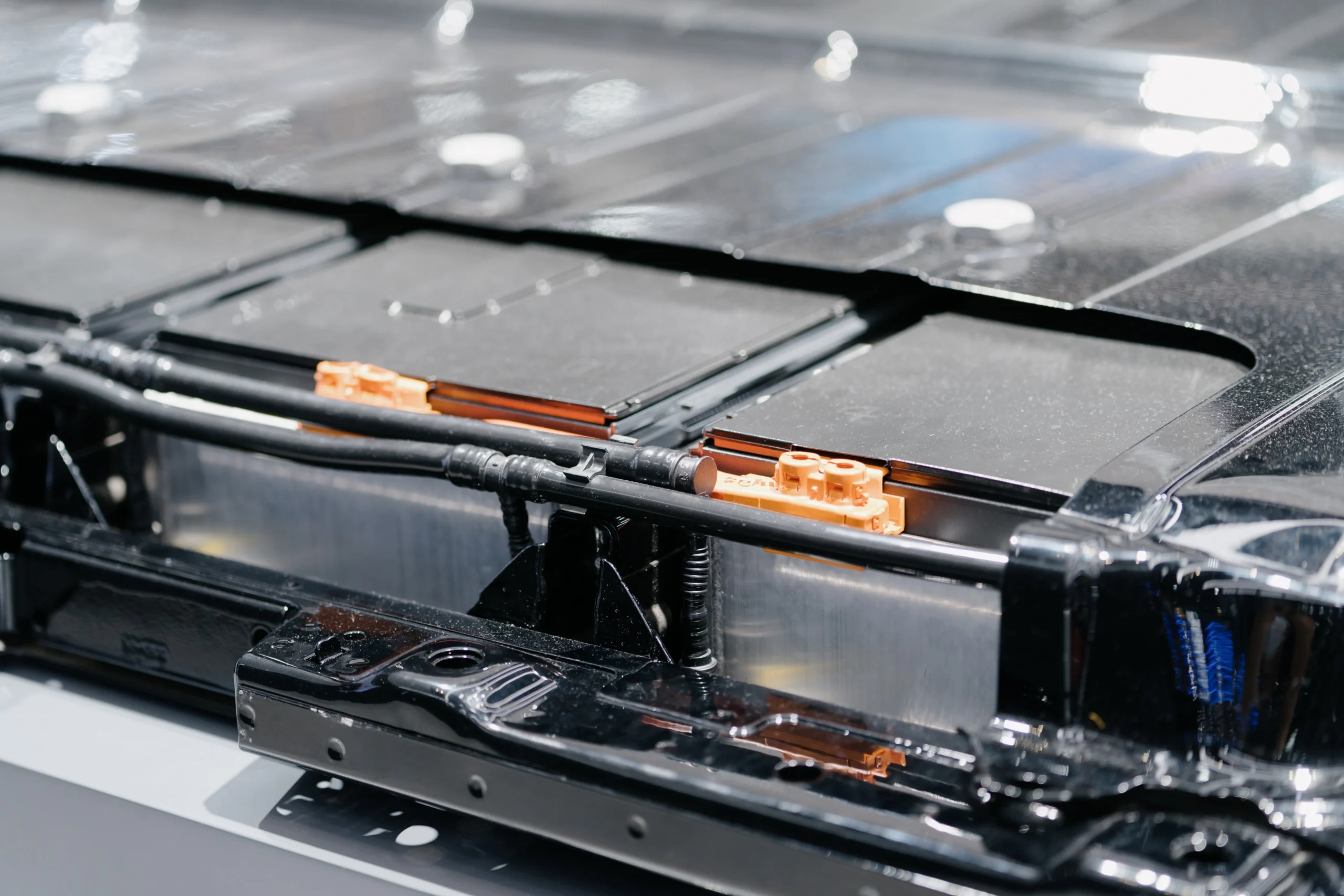
Hybrid and electric vehicle components introduce new chemistries and different end-of-life challenges. Partnering with a specialist like a trusted catalytic converter recycler who also understands hybrid batteries can simplify logistics and maximize value across your full automotive recycling stream, not just the exhaust system.
Table: Key levers for higher value and how to act on them
| Value lever | What it impacts | Practical action |
|---|---|---|
| Sorting by type and grade | Assay accuracy, buyer confidence | Group ores and catalysts into clear, consistent batches before shipment. |
| Removing contaminants | Deduction levels, transport costs | Knock off soil and loose steel, drain obvious liquids, keep loads clean but not over-processed. |
| Representative sampling | Settlement fairness | Agree sampling methods, request reference samples, and use occasional check assays. |
| Moisture control | Net payable weight | Use covered storage, schedule shipments in drier windows, avoid shipping saturated materials. |
| Market awareness | Timing and contract terms | Track broad demand trends and refiner capacity; mix regular sales with selective holding. |
| Negotiated settlement clauses | Risk exposure | Clarify assay authority, deductions, payment timing, and dispute process before shipping. |
| Partner choice | Long-term margin | Work with specialized recyclers and refiners who provide transparent, data-backed settlements. |
Call to action: build your own value-maximisation checklist
Every operation looks different. A small scrapyard handling a few pallets a month will not apply the same tactics as a mine shipping bulk concentrate or a refinery sending spent industrial catalysts.
What they do share is the need for a simple, repeatable checklist that fits their scale:
- How materials are received, sorted, and stored.
- When and how samples are taken and checked.
- Which markets and buyers are tracked and compared.
- What minimum terms are acceptable for each type of shipment.
If you work with Recohub or a similar specialist, you can turn the ideas above into a tailored value-maximisation checklist for your specific feed streams. Over a few months, those small, consistent changes will usually matter more than any one-off deal.
Summary
Maximizing value from metal ores and catalytic converters rests on a few controllable pillars: thoughtful sorting and cleaning, credible sampling, market-aware timing, and clear settlement terms. When you back those with transparent, specialist partners and keep decent records of every shipment, you turn a volatile, opaque business into one driven by data and relationships. A recycler such as Recohub can help translate these principles into a practical checklist for your operation, so every truckload you send stands a better chance of reaching its full potential.