Introduction: As the global demand for precious metals surges, concerns about a potential shortage are becoming more prominent. These metals are valuable not just because they are rare, but because they play a critical role in modern technology, especially in automotive catalytic converters. For businesses in East Asia and other manufacturing-heavy regions, this is not an abstract market story. It affects sourcing, recycling, compliance, and long-term planning. The good news is that a shortage does not automatically mean a dead end. In many cases, it means recycling, recovery, and smarter material management become far more important.
Precious metal shortages are usually about tight supply and strong demand, not total global depletion.
Catalytic converters remain a major recovery source for platinum, palladium, and rhodium.
Mining alone cannot solve every supply issue quickly or cleanly.
Recycling helps return already-mined metals to the market and reduces waste.
Businesses in East Asia can strengthen resilience by improving collection and recovery processes.
Specialized recyclers help companies manage end-of-life parts more efficiently and responsibly.
Are we really facing a precious metals shortage?
Yes, in practical terms we can face a shortage even without running out of metal entirely. A shortage usually means supply cannot keep up smoothly with industrial demand.
That distinction matters. When people hear the word shortage, they often picture empty mines and disappearing resources. In reality, the issue is more complex. Supply can tighten because mining is difficult to expand, environmental standards are stricter, and demand from key industries stays firm. That creates pressure across the whole chain, from manufacturers to recyclers.
The original concern remains valid: as global demand for precious metals rises, the market becomes more sensitive to disruption. According to the U.S. Geological Survey, mineral supply security continues to matter across industrial commodities. For companies that depend on metal-bearing components, that is a planning issue, not just a headline.
Why is demand for precious metals still high?
Demand stays high because these metals do jobs that are hard to replace at scale. They support emissions control, industrial processes, electronics, and other critical applications.
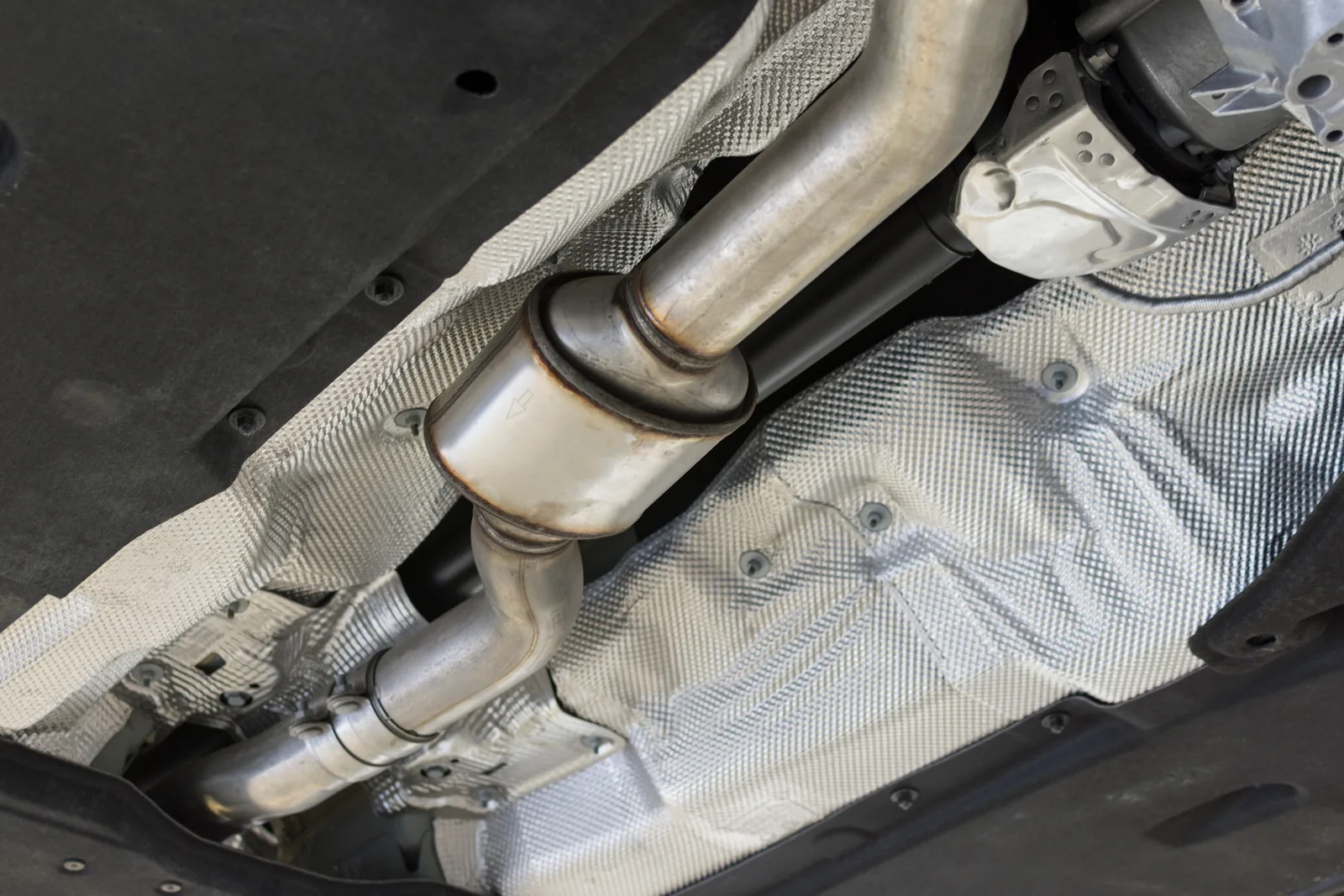
The automotive industry still relies heavily on precious metals such as platinum, palladium, and rhodium. In internal combustion and hybrid vehicles, those metals are essential parts of a catalytic converter. They help reduce harmful emissions and make vehicles cleaner in everyday use.
That was true in the original article, and it is still true now. While vehicle technology continues to evolve, autocatalysts remain one of the clearest examples of why precious metals matter in the real world. If you want a deeper look at the metals inside these components, this guide to the precious metals inside catalytic converters explains why even scrap units remain important for recovery.
Demand also does not move in a straight line. Some sectors cool off while others stay active. However, when a metal serves a specialized function and few substitutes match its performance, supply pressure can return quickly.
Why do catalytic converters matter so much?
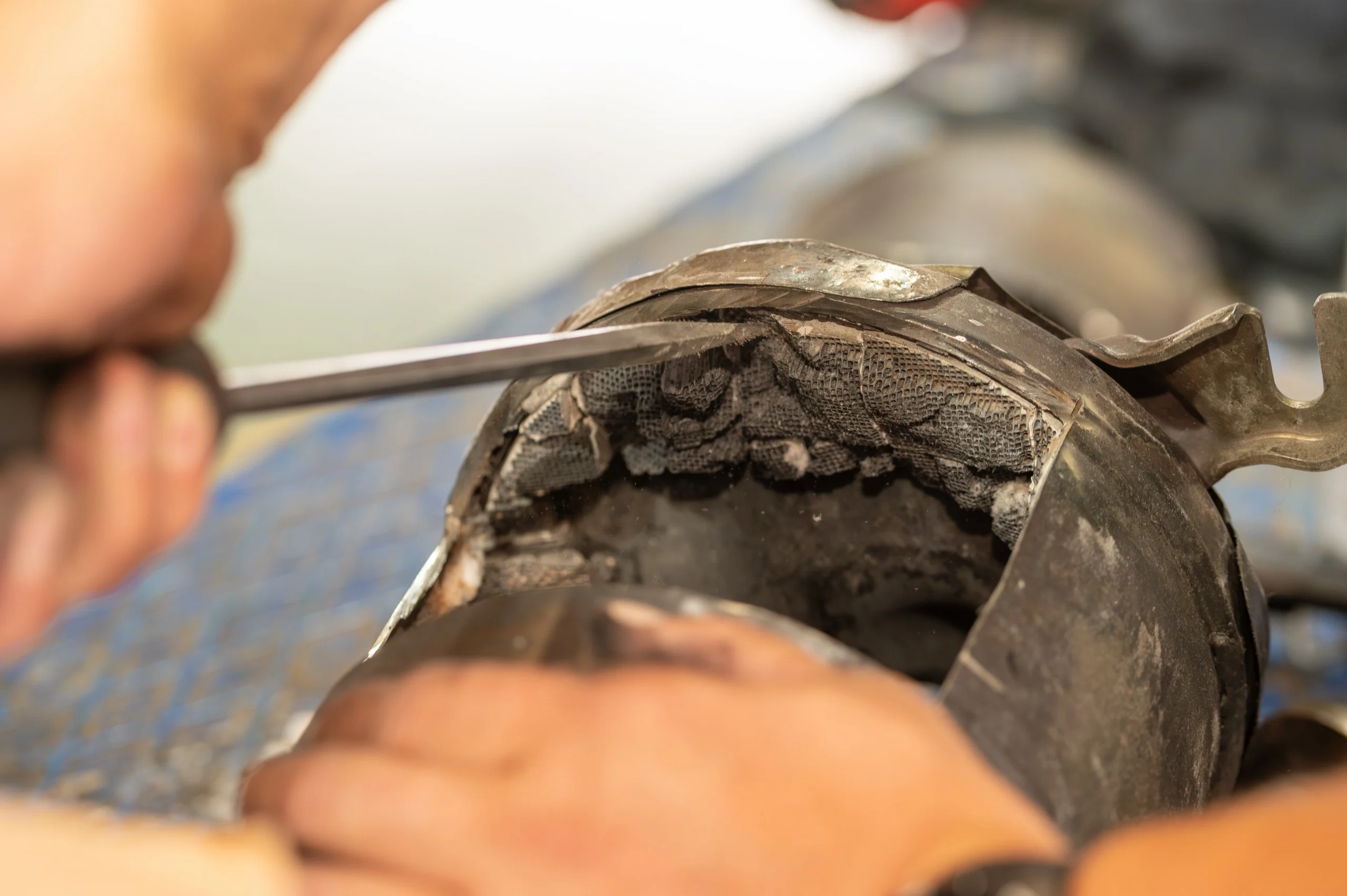
They matter because they concentrate valuable metals in a recoverable form. That makes them both an environmental tool and a recycling opportunity.
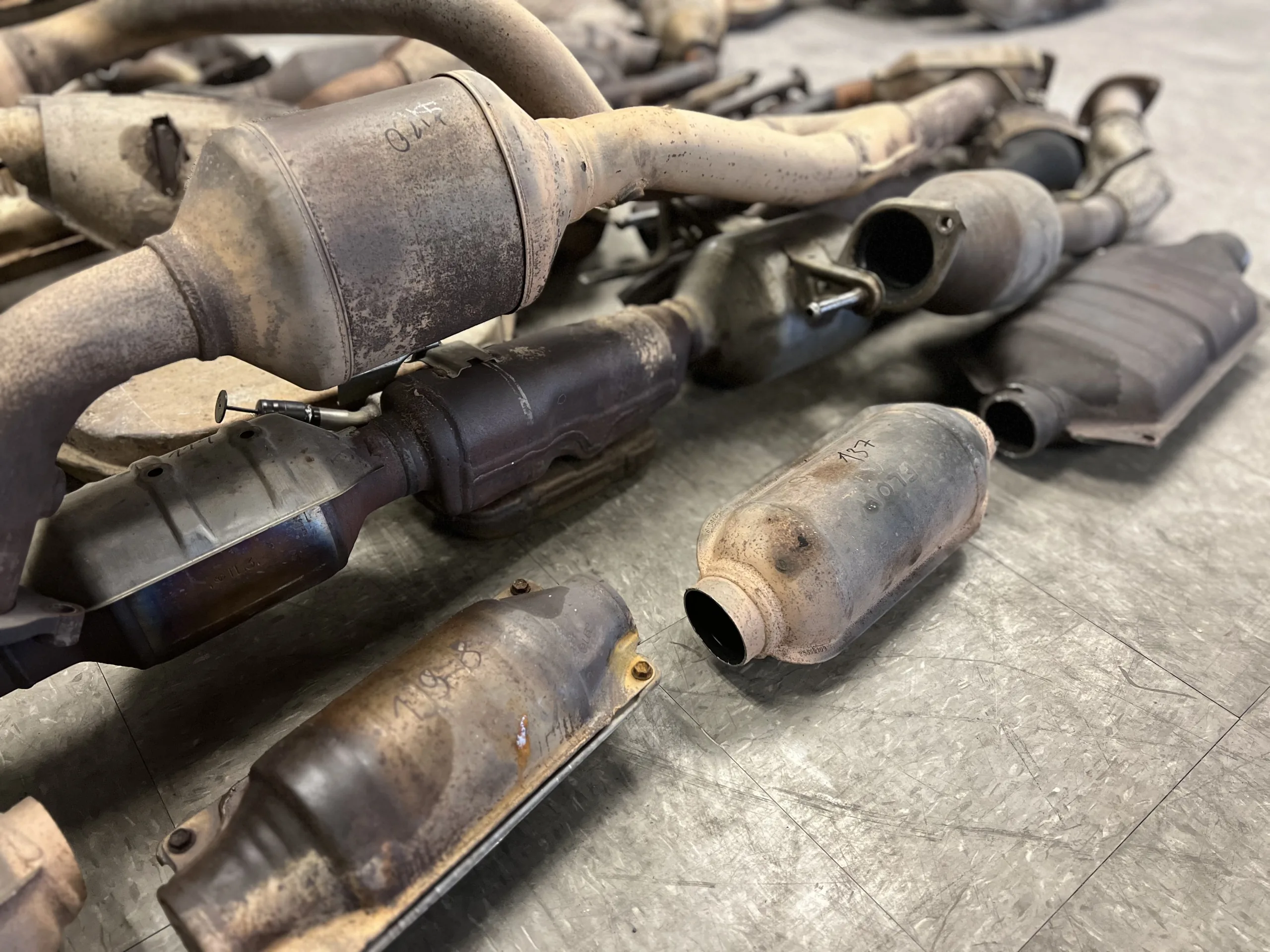
A used catalytic converter is more than scrap. It is a dense secondary source of precious metals that have already been mined, refined, and put to work. When recyclers recover those materials properly, they reduce the need to rely only on newly extracted supply.
This is why catalytic converter recycling sits at the center of many conversations about material resilience. The process supports emissions-related hardware, helps keep valuable metals circulating, and reduces unnecessary waste. It also gives businesses a practical route to recover value from end-of-life components instead of treating them as disposal problems.
According to Johnson Matthey, platinum group metals remain closely tied to autocatalyst demand. That connection is one reason recycled supply continues to matter so much.
Is the shortage a myth or a market reality?
It is a market reality, but not in a simplistic doomsday sense. The risk is less about metals vanishing overnight and more about supply becoming tight, costly to expand, and hard to balance.
The earlier version of this article asked whether the shortage was myth or reality. That framing still works, because both sides contain some truth. It is a myth if people assume all precious metals are about to disappear. It is reality if we look at how industries struggle when supply is concentrated, demand remains high, and fresh mining takes time.
Analysts have long pointed to the same pressure points. Mining new sources is becoming more challenging and more environmentally taxing. New projects can take years to move from exploration to production. Even when the metal exists in the ground, bringing it to market is another story.
For manufacturers and recyclers, that means recovered material is not just a nice extra. It can be a stabilizing part of the supply picture.
Why is mining alone not enough?
Mining is necessary, but it is not flexible enough to solve every supply problem quickly. It takes time, investment, permits, and infrastructure.
That lag creates a mismatch. Demand can rise faster than mine supply can respond. At the same time, mining faces stricter environmental scrutiny and higher operational complexity in many regions. None of that means mining stops being important. It means the market needs another source of metal alongside primary extraction.
Secondary recovery is the obvious answer. When businesses recover precious metals from used components, they create a circular stream that supports the wider market. This does not replace mining, but it reduces pressure on it.
In other words, the future of precious metals will likely depend on a mix of primary supply and better recovery systems. Relying on one source alone is rarely the strongest strategy.
Can recycling reduce the pressure?
Yes. Recycling reduces pressure by returning already-mined metals to productive use. It also cuts waste and supports a more circular supply chain.
Recycling emerged in the original article as a sustainable solution to a looming crisis, and that point still holds. By reclaiming precious metals from used catalytic converters, businesses can reduce strain on natural resources. They can also keep valuable material moving through the economy instead of losing it to poor handling or disposal.
This is why catalytic converter recycling is more than an environmental talking point. It is a practical response to constrained supply. It helps conserve metals, supports recovery infrastructure, and gives businesses a way to participate in a more resilient materials market.
For a broader industry view, this look at why catalytic converter recycling remains crucial explains why recovery still matters as vehicle technology changes.
How do mining and recycling compare?
Mining creates new supply, while recycling recovers supply that already exists. The strongest systems use both.
Each route has a different role in the market. Mining expands the base. Recycling improves efficiency and reduces loss. When supply is tight, recovered metal becomes even more valuable from a strategic point of view.
Supply pressure and recovery response
Issue
Mining response
Recycling response
What it means for businesses
Rising demand from autocatalysts
Mine expansion can help, but it takes time
Used converters can return metal to market faster
Recovery programs become more important
Environmental pressure
New extraction can be harder to permit and scale
Recovery reduces waste from end-of-life parts
Circular processes support sustainability goals
Supply chain disruption
Primary supply can be concentrated and less flexible
Local collection and processing add resilience
Companies benefit from diversified sourcing
Material loss
Lost scrap does not help supply
Better collection captures usable metal
Operational discipline improves outcomes
Why does this matter for businesses in East Asia?
It matters because supply security and efficient recovery affect day-to-day operations. Companies that handle vehicle parts, scrap streams, or industrial materials need reliable ways to manage metal-bearing components.
The original article rightly focused on East Asia and nearby trade corridors. That regional focus still makes sense. Businesses in East Asia, India, and the UAE often operate in fast-moving industrial and logistics environments, where end-of-life components should not sit idle or be handled informally. The more material is recovered correctly, the stronger the local supply chain becomes.
There is also a practical export and compliance angle. Companies want clean documentation, responsible handling, and a clear path for valuable scrap. Working with a specialized recycler can help standardize that process.
For companies looking to navigate this complex market, partnering with a reputable catalytic converter recycler remains essential. A structured recycling partner can help with collection, assessment, and recovery planning without turning the process into guesswork.
What role can Recohub play?
Recohub can help businesses handle recovery more systematically. That matters when material value, traceability, and sustainability all depend on process quality.
The earlier article positioned Recohub as a trusted industry participant, and that remains a useful point when framed carefully. Businesses often need a recycler that understands converter recovery, the importance of precious metal content, and the need for responsible handling. Recohub operates in that space and focuses on helping companies treat scrap as a managed recovery stream rather than an afterthought.
This is especially relevant when firms handle more than one type of end-of-life component. In practice, material recovery strategies increasingly connect adjacent streams, including hybrid batteries recycling, because both require clear logistics and specialist knowledge.
What should companies do now?
They should build recovery into their supply strategy now, not later. Waiting until supply gets tighter usually means less control and more waste.
Here are a few practical steps that make sense for most businesses handling vehicle-related scrap or industrial metal-bearing parts:
Map where catalytic converters and similar components enter your waste stream.
Separate end-of-life units early so they do not get mixed with low-value scrap.
Use documented handling processes to support compliance and traceability.
Work with a specialist recycler that understands recovery, not just disposal.
Review adjacent recovery streams, such as batteries and electronic components, to build a broader circular model.
These steps are simple, but they create a real advantage. They reduce leakage, improve internal control, and turn discarded parts into a more strategic asset. The companies that adapt early tend to make better use of the material already moving through their own operations.
The potential shortage of precious metals poses real challenges, but it also opens the door to innovation and sustainability. Recycling is not just an environmental imperative. It is a practical business response to tighter supply and higher material importance.
Summary
The future of precious metals will likely be shaped by two forces at the same time: continued industrial demand and growing pressure on supply. That does not guarantee a dramatic global shortage, but it does make tight markets more likely. Catalytic converters remain a key part of this story because they contain platinum, palladium, and rhodium in a form that can be recovered and reused. Mining will stay important, yet mining alone cannot solve every supply challenge quickly. Recycling helps fill that gap by returning already-mined metals to the market, reducing waste, and strengthening resilience. For businesses in East Asia and other industrial regions, the smart move is clear: treat recovery as part of strategy, not just cleanup.
FAQ
1. What does a precious metals shortage usually mean?
It usually means supply is tight relative to demand, not that the world has run out of metal. Industries may still face delays, sourcing pressure, and a stronger need for recycled supply.
2. Why are catalytic converters important in this discussion?
They contain recoverable precious metals such as platinum, palladium, and rhodium. That makes them one of the most practical secondary sources for metal recovery.
3. Can recycling replace mining completely?
No. Recycling supports supply, but it does not replace primary extraction entirely. The most resilient system uses both mined and recycled material.At Recohub, catalytic converters are first collected and processed. Using advanced analysis, we determine the exact content of Platinum, Palladium, and Rhodium. The materials are then delivered to certified refineries, where they are refined and reintroduced into the supply chain in India and beyond.
4. Why should East Asian businesses care about this now?
Because supply security, compliance, and waste recovery all affect operations. Companies that handle end-of-life vehicle parts can improve resilience by building better recovery systems early.
5. Is catalytic converter recycling only about sustainability?
No. It supports sustainability, but it also improves resource efficiency and helps keep valuable metals in circulation. For many businesses, it is both an environmental and an operational decision.