
Key Takeaways
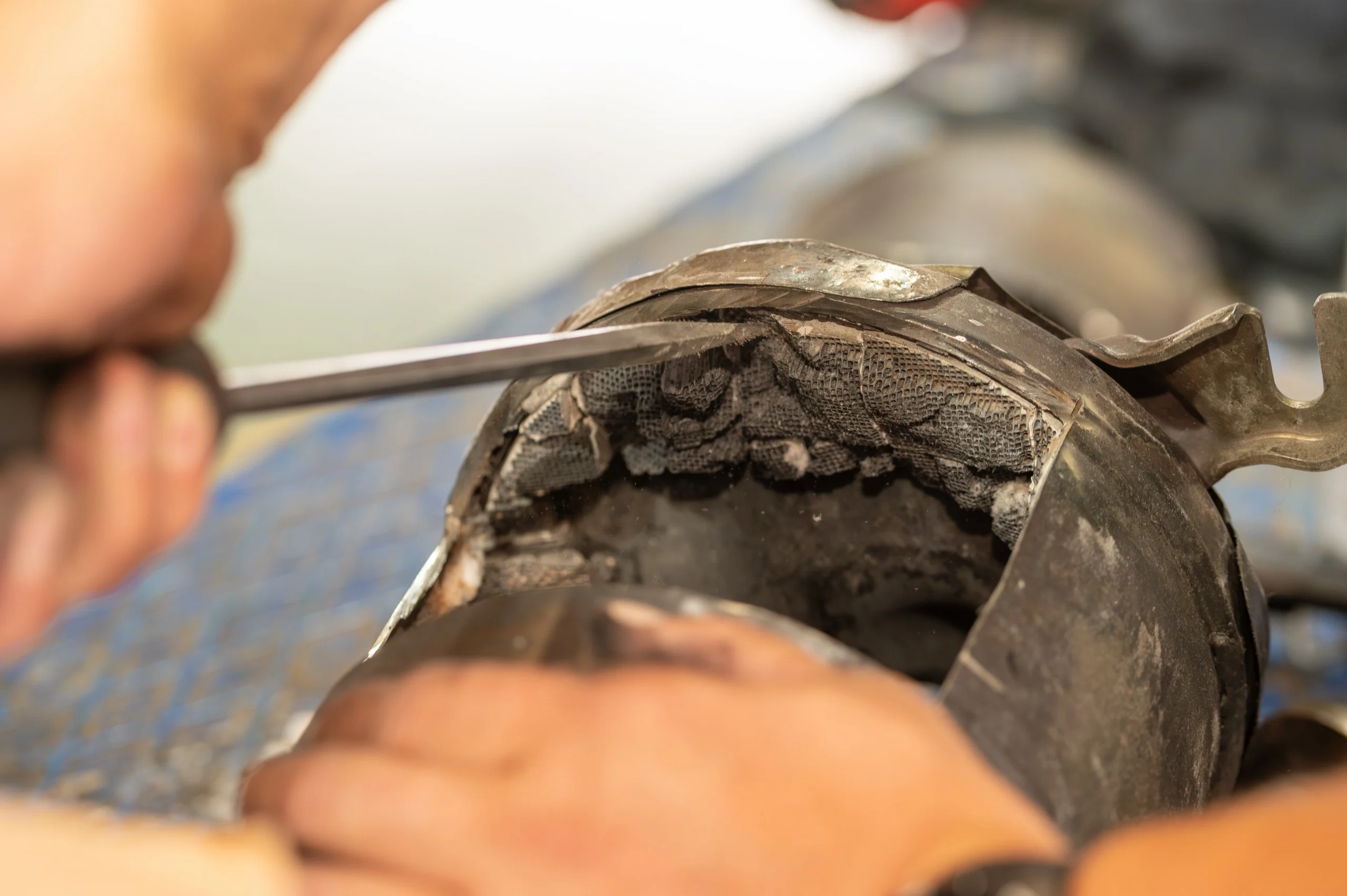
- A metallic rattle at idle or start-up is the most recognizable bad catalytic converter sound – it usually means the ceramic honeycomb inside has broken apart.
- A rotten egg smell from the exhaust points to hydrogen sulfide passing through an inefficient catalyst instead of being converted.
- Sluggish acceleration, poor fuel economy, and a check engine light (typically code P0420) are the symptoms you feel rather than hear or smell.
- A converter is not a filter – it works by chemical reactions, so it cannot simply be emptied out.
- Cleaning helps only mild cases: a fuel-additive cleaner costs roughly $10 to $30 but cannot repair a melted, poisoned, or rattling unit.
- A failed converter still has value: the platinum, palladium, and rhodium inside can bring $50 to more than $1,500 from an assay-based recycler.
Bad Catalytic Converter Symptoms at a Glance
What You Hear
- •Metallic rattle at idle, cold start, or when you tap the exhaust
- •Hissing or roaring sound under acceleration
Likely cause: Broken ceramic honeycomb, or a cracked shell or leaking joint
What You Smell
- •Rotten eggs or burnt sulfur from the exhaust
- •Strongest during hard acceleration
Likely cause: Hydrogen sulfide passing through an inefficient catalyst
What You Feel
- •Sluggish acceleration and poor fuel economy
- •Check engine light with code P0420
- •Stalling in severe cases
Likely cause: A deteriorating catalyst restricting exhaust flow
Two or three symptoms together make the catalytic converter the prime suspect – confirm with a diagnostic check.
Bad Catalytic Converter Sound: What Should You Listen For?
The classic bad catalytic converter sound is a loose, metallic rattle from underneath the vehicle, most obvious at idle, at cold start, or when you tap the exhaust. The rattle comes from inside the unit itself and should never be ignored, because loose fragments can block the exhaust flow entirely.Rattling Inside the Catalytic Converter Assembly
Inside every catalytic converter assembly sits a ceramic honeycomb coated with platinum, palladium, and rhodium. When that honeycomb overheats or is hammered by repeated engine misfires, it cracks and breaks into pieces that knock against the steel shell whenever the engine vibrates. A peer-reviewed review in the journal Catalysts lists thermal damage, chemical poisoning, and fouling as the main ways an automotive catalytic converter degrades, and a broken substrate is the end stage of the thermal path.Hissing, Roaring, and Sudden Loudness
Not every noise means internal collapse. A hissing or roaring sound under acceleration often signals a crack in the converter shell or a leaking gasket where the unit joins the exhaust pipe. These leaks matter for diagnosis: escaping exhaust can distort oxygen sensor readings and trigger a catalyst efficiency code even when the catalyst itself still works.What Does a Failing Catalytic Converter Smell Like?
A failing unit smells like rotten eggs or burnt sulfur, strongest during hard acceleration or once the engine is fully warm. Gasoline contains small amounts of sulfur, and a healthy catalyst converts it into odorless sulfur dioxide. A degraded catalyst lets hydrogen sulfide pass through instead – and the human nose detects that compound at extremely low concentrations.Why the Rotten Egg Smell Appears
The smell usually means the catalyst is no longer completing its chemical reactions, but the root cause often sits upstream. An engine running rich – too much fuel for the available air – floods the catalyst with unburned fuel, overwhelms it, and produces the odor while steadily overheating the honeycomb. Fixing a rich-running fault early can save the converter before permanent damage sets in, and dark exhaust smoke alongside the smell strengthens the case.What Symptoms Can You Feel From the Driver’s Seat?
The symptoms you feel are loss of power, worse fuel economy, rough running, and in severe cases stalling – all traceable to a deteriorating catalyst restricting exhaust flow.Sluggish Acceleration and Poor Fuel Economy
A partially blocked converter creates back pressure that steals power exactly when you demand it – merging onto a highway, climbing a hill, overtaking. Fuel economy drops at the same time, because the engine management system compensates for the restriction with adjusted fueling.The Check Engine Light and Code P0420
The most common electronic symptom is diagnostic trouble code P0420, “Catalyst System Efficiency Below Threshold.” The car’s computer compares oxygen sensor readings before and after the converter, and flags the code when the catalyst no longer cleans the exhaust efficiently. One caution: repair shops report that nearly 30% of P0420 codes stem from other faults, such as failing oxygen sensors or exhaust leaks. Recohub’s guide to the P0420 problem and why it appears in nearly every garage explains how to tell the difference before committing to a replacement.Symptom Summary: Hear, Smell and Feel
| Symptom | Sense | Most likely cause | Urgency |
|---|---|---|---|
| Metallic rattle at idle or start-up | Hear | Broken ceramic honeycomb | High – fragments can block exhaust flow |
| Hissing or louder exhaust note | Hear | Cracked shell or leaking joint | Medium – can distort sensor readings |
| Rotten egg / sulfur odor | Smell | Hydrogen sulfide passing unconverted | Medium – check for a rich-running engine |
| Sluggish acceleration, higher fuel use | Feel | Exhaust restriction from a failing catalyst | Medium to high |
| Check engine light with P0420 | Feel (dashboard) | Catalyst efficiency below threshold | Diagnose within one to two weeks |
| Stalling or no-start after warm-up | Feel | Severely blocked converter | Immediate |
Does a Catalytic Converter Filter Exhaust Like a Screen?
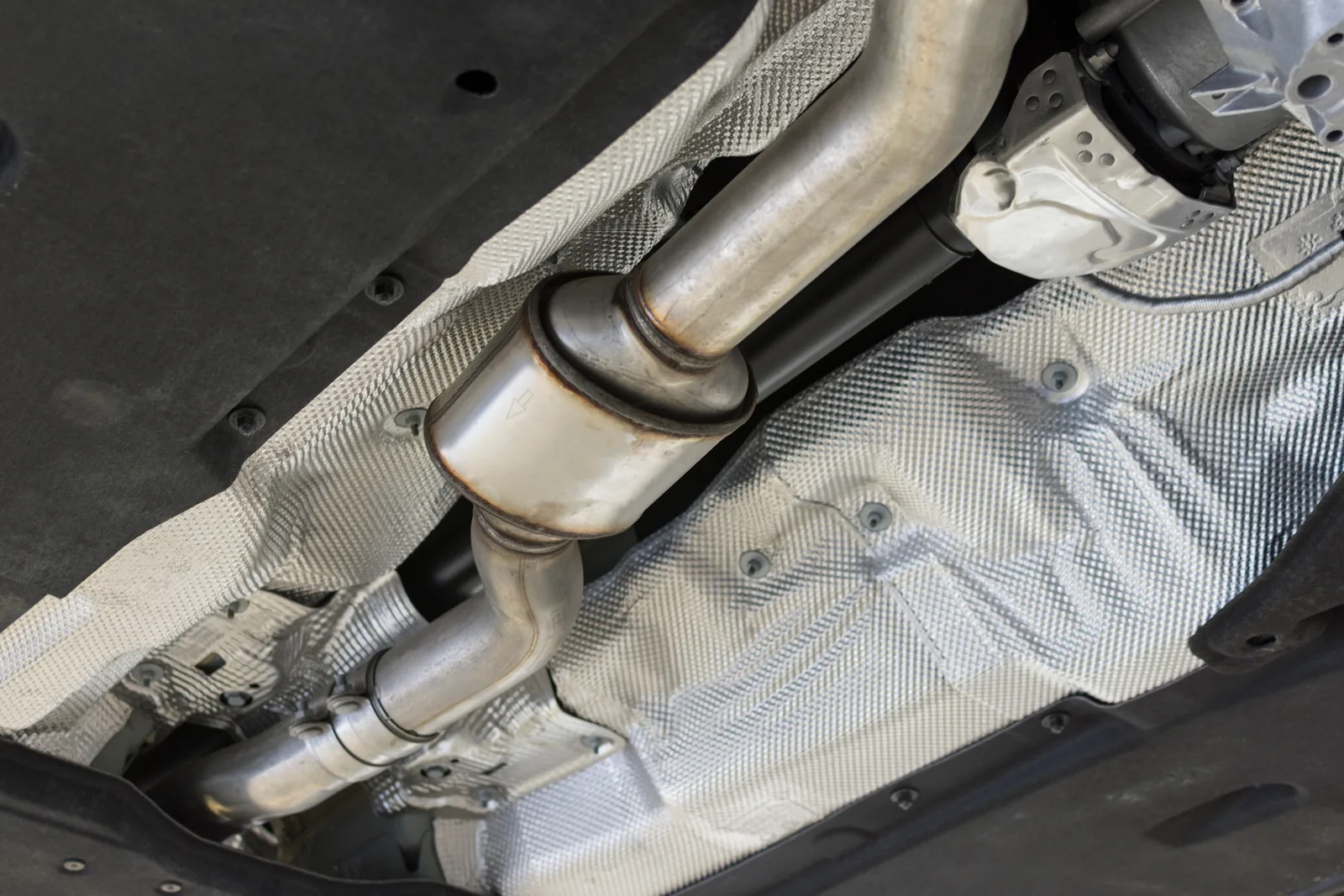
No – and the distinction matters for repairs. Despite the popular search term catalytic converter filter, the device does not trap particles the way an air filter or a diesel particulate filter does. A car catalytic converter works by chemistry: exhaust gases flow across precious metal surfaces that convert carbon monoxide, hydrocarbons, and nitrogen oxides into carbon dioxide, water vapor, and nitrogen. A properly working unit cuts these pollutants by more than 90%. Because nothing is being “caught,” a degraded unit cannot be emptied or back-flushed like a filter – the damage is chemical and structural, not a build-up you can shake out.Catalytic Converter Fix: Repair, Clean, or Replace?
The right catalytic converter fix depends entirely on how far the damage has progressed – cleaning can help mild fouling, but replacement is the only cure for a rattling, melted, or poisoned unit. Whatever route you take, fix the underlying engine fault first – a new converter behind a misfiring engine will fail the same way.When Cleaning Is Worth Trying
A fuel-additive cleaner costs roughly $10 to $30 and can burn off light carbon deposits when followed by a sustained highway drive. It is a sensible first step for a borderline efficiency code, and wasted money on a unit with internal rattle or oil contamination. Recohub’s catalytic converter cleaner and cleaning cost guide covers exactly when the additive route works and when it cannot.Repair Options Compared
| Option | Typical cost (USD) | When it makes sense |
|---|---|---|
| Fix upstream faults (sensors, leaks, misfires) | Varies by fault | Always first – about 30% of P0420 codes are not the converter |
| Fuel-additive cleaner | $10 – $30 | Light fouling, borderline code, engine otherwise healthy |
| Replacement unit | Several hundred to over $1,000 depending on vehicle | Rattling core, melted substrate, contamination, returning P0420 |
What Is a Failed Catalytic Converter Still Worth?
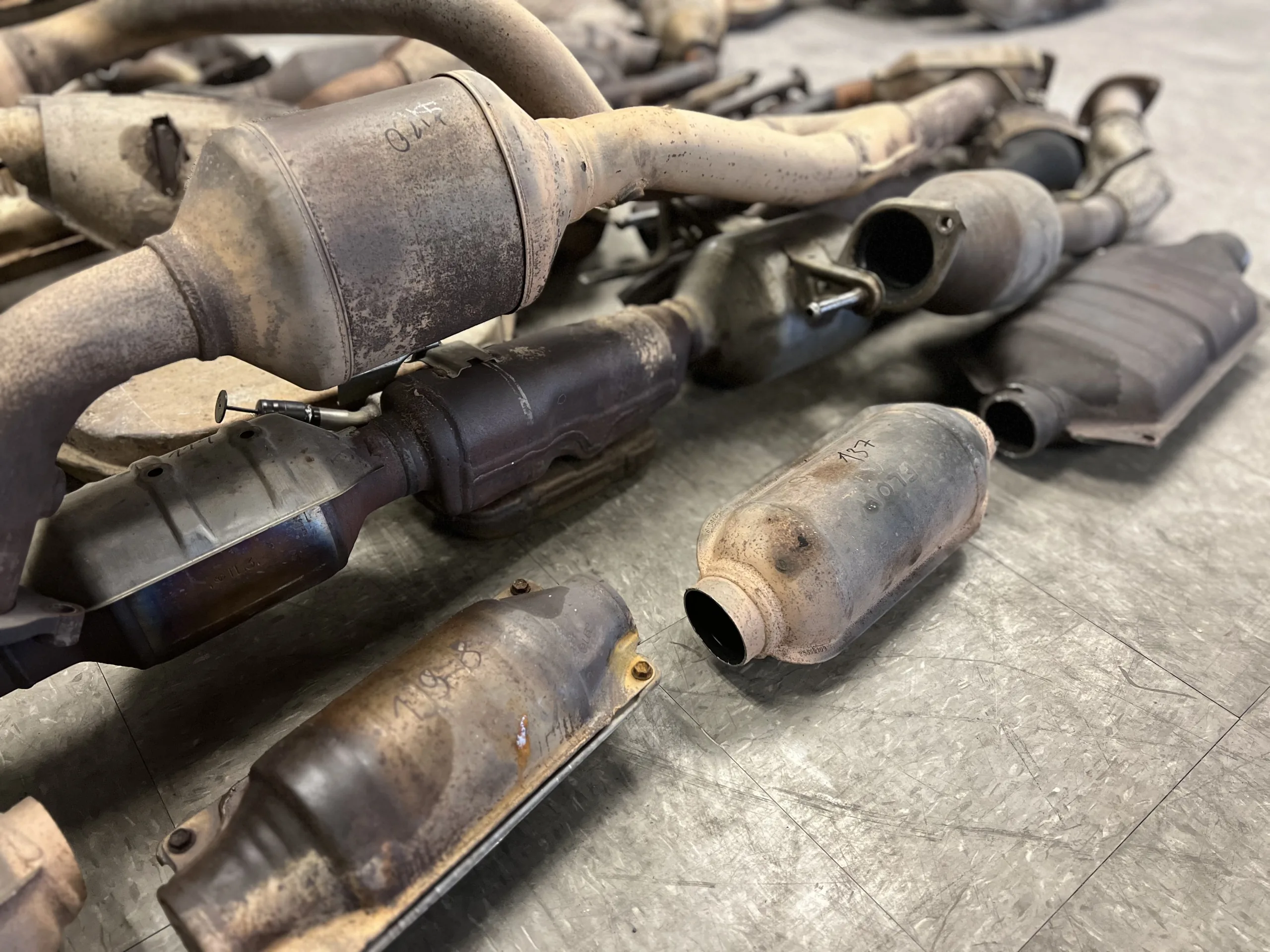
A dead converter is not scrap steel – it is a small deposit of precious metal. Every car catalyst contains platinum, palladium, and rhodium, and those metals keep their value whether or not the unit still works. A review in Cleaner Engineering and Technology notes that spent automotive catalysts deliver more than 57% of Europe’s platinum group metal supply, because concentrations inside a used unit far exceed those in mined ore. Depending on metal content and market conditions, a single unit can bring anywhere from $50 to more than $1,500 from an assay-based recycler – one reason never to hand your old unit to a workshop for free.Conclusion: Trust Your Senses, Then Get a Diagnosis
Your ears, nose, and seat-of-the-pants feel are a surprisingly reliable early warning system. A rattle points to a broken core, a sulfur smell points to failed conversion, and sluggish performance with a P0420 code points to a catalyst past its best. Confirm the diagnosis before spending on parts, choose cleaning only for mild cases, and when replacement is unavoidable, turn the old unit into money instead of waste. Recohub buys used catalytic converters from garages, collectors, and businesses, valuing every lot by measured metal content at current market prices. Request an assay-based quote from Recohub before your old converter leaves the workshop.FAQ
What does a bad catalytic converter sound like?
A bad catalytic converter most often sounds like a metallic rattle coming from under the car, loudest at idle, at cold start, or when the exhaust is tapped. The rattle is caused by the ceramic honeycomb inside breaking into loose fragments. A hissing or roaring noise instead points to a cracked shell or a leaking exhaust joint rather than internal collapse.
What does a bad catalytic converter smell like?
A failing catalytic converter produces a rotten egg or burnt sulfur smell from the exhaust. The odor comes from hydrogen sulfide that a healthy catalyst would normally convert into odorless sulfur dioxide. The smell is usually strongest under hard acceleration and often indicates the engine is also running rich.
Can you drive with a bad catalytic converter?
You can usually drive short distances with a failing catalytic converter, but you should have it diagnosed within one to two weeks. A partially blocked unit steadily damages performance and fuel economy, and a completely blocked one can leave the car unable to run. If you notice severe power loss, stalling, or a strong rattle, stop driving and have the vehicle inspected immediately.
Can a bad catalytic converter be fixed without replacing it?
Only in mild cases. A fuel-additive cleaner costing roughly $10 to $30 can burn off light carbon fouling when combined with a sustained highway drive. Nothing can repair a converter with a broken, melted, or chemically poisoned honeycomb – those units must be replaced, and the old one should be recycled for its precious metal value.
What causes a catalytic converter to go bad?
The main causes are overheating from engine misfires, contamination by oil or coolant leaking into the exhaust, chemical poisoning of the catalyst surface, and simple old age. Most original units last roughly 80,000 to 150,000 miles. Because most failures start with an engine fault, fixing the root cause is essential before installing a replacement.
Will a bad catalytic converter throw a check engine code?
Usually yes. The most common code is P0420, “Catalyst System Efficiency Below Threshold,” triggered when the oxygen sensor behind the converter shows the catalyst is no longer cleaning the exhaust effectively. However, nearly 30% of P0420 codes are caused by other faults such as failing sensors or exhaust leaks, so diagnosis should always come before replacement.
Does a bad catalytic converter affect acceleration and fuel economy?
Yes. A deteriorating converter restricts exhaust flow, creating back pressure that reduces engine power – the car feels sluggish, especially when merging or climbing. Fuel economy typically worsens at the same time because the engine management system adjusts fueling to compensate for the restriction.
Is a bad catalytic converter worth any money?
Yes. Even a completely failed catalytic converter contains platinum, palladium, and rhodium, and a single unit can bring $50 to more than $1,500 depending on metal content and market prices. An assay-based recycler such as Recohub measures the actual precious metal content and pays according to current market rates, which typically returns more than a flat per-piece offer.