
Introduction: If you handle BMW exhaust parts, guesswork is expensive. One catalytic converter can look close to another, yet the assessed return may differ a lot. For owners, dismantlers, and parts traders, the key is simple: identify the unit correctly, keep it complete, and use a buyer that explains how settlement is reached. That matters even more with BMW parts, where engine type, housing style, and original fitment can change from one model or market to the next.
Key Takeaways
- BMW exhaust units need correct ID before any serious quote.
- Code, condition, and completeness affect settlement most.
- Petrol catalyst units and diesel filters should be sorted apart.
- Photos, labels, and clean lot lists speed up assessment.
- BMW catalog references can help confirm fitment details.
- Professional recyclers should explain how they review and settle material.
Why does BMW converter value vary so much?
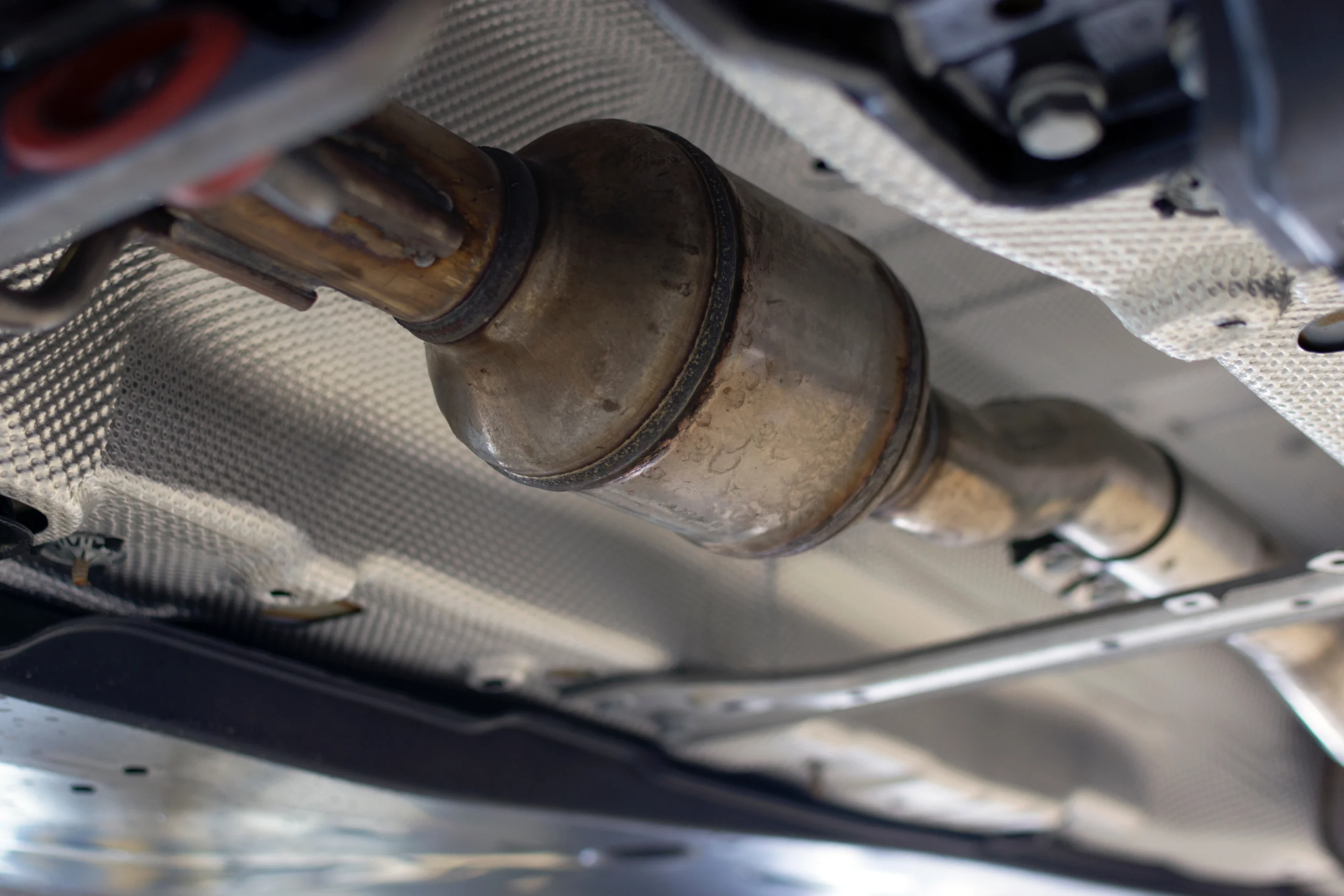
BMW used many exhaust layouts across petrol and diesel cars, different engines, and different production years. That is why a bmw catalytic converter from one vehicle should not be grouped with a similar-looking unit from another car without checking the markings first. In trade terms, real value usually starts with identification, not appearance.
A second point is part type. Some mixed lots contain both catalyst units and diesel particulate filters. If that sounds familiar, this guide on telling a diesel filter from a catalyst unit is a useful first check before anything is listed or shipped. Sorting errors slow down review and can affect the final outcome.
Condition matters too. A complete shell with clear markings is easier to assess than a broken or heavily contaminated piece. The same applies when pipes, heat shields, or attached sections help confirm what the unit is. In short, the visible state of the part affects the speed and confidence of the review. That is a big part of overall catalytic converter value.
How do you identify a BMW converter fast?
Start with the stamped code or reference number. Then match it with the vehicle details and housing style. Do not rely on memory alone.
- Record the BMW model, engine, fuel type, and year.
- Photograph all sides, especially the stamped area.
- Note whether the shell is intact or cut.
- Keep attached pipes or fittings if they help confirm origin.
- Separate each bmw converter by code, not by rough shape.
BMW parts references can also help confirm exhaust layout and fitment details. For example, RealOEM shows how original BMW exhaust components can vary by model and application. That kind of cross-check is useful when a unit came from dismantling and the vehicle data is still available.
For traders, one more habit helps: keep similar units in the same batch and label them clearly. A mixed bin of unknown BMW parts often creates delays. A sorted lot gives the buyer a cleaner path to review.
What do professional recyclers check before settlement?
The quoted catalytic converter price usually reflects more than one detail. Serious buyers look at identification first, then condition, then how the material will move through their recycling channel. A quick quote from a photo may be possible, but a proper settlement still depends on what is actually received and verified.
Identification and application
Clear codes make review easier. If the code is unreadable, the buyer may need more photos, a fitment check, or a more cautious estimate.
Completeness of the shell
Units that are whole and not emptied are easier to assess. Broken housings or heavy damage reduce confidence and often lead to a more guarded offer.
Contamination and sorting
Oil, soot, excess rust flakes, mixed scrap, or bundled non-matching parts complicate the review. Clean, sorted lots move faster.
Settlement method
Some sellers want a fast fixed offer. Others want a route tied to professional processing and documented review. This step-by-step overview of the buying process for these parts is useful if you want to compare how buyers handle inspection, pricing, and payment.
Table: What this assessment usually looks at
The table below shows the main points that can change how a BMW exhaust unit is reviewed and settled.
| Assessment factor | Why it matters | What to prepare |
|---|---|---|
| Stamped code or reference | Helps confirm the exact unit and likely application | Clear close-up photos of markings |
| Model and engine data | Supports fitment checks when code is unclear | Vehicle year, engine, fuel type, and VIN if available |
| Shell condition | Shows whether the unit is complete and easier to verify | Photos of both ends and any cut points |
| Lot sorting | Mixed lots take longer and may bring more caution | Group matching BMW parts together |
| Contamination level | Heavy dirt or mixed metal can affect handling | Keep units dry, separate, and free from loose scrap |
| Documentation | Makes trade and settlement clearer | Basic part list, quantities, and seller details |
How should owners, dismantlers, and traders prepare a lot?
Keep it simple and consistent. A well-prepared lot is easier to review and easier to settle fairly.
- Sort petrol catalyst units away from diesel filter units.
- Do not shake out, break, or clean the internal material.
- Photograph each code group before collection or shipment.
- List quantities by code or by matching housing type.
- Ask the buyer how verification and settlement will be handled.
Compliance matters as well. According to the US EPA, recycling materials can be subject to specific standards and exclusions, so documented downstream handling is not just a paperwork issue. It supports a cleaner transaction and gives sellers more confidence about where the material goes.
What usually causes a lower offer?
Three issues show up again and again: missing identification, damaged shells, and mixed loads. A loose car catalyst with no code and no vehicle history is harder to verify than a clearly marked BMW unit removed from a known car. The same goes for parts that arrive broken, heavily corroded, or mixed with unrelated exhaust scrap.
Another common problem is weak presentation. If you want a useful comparison between buyers, send sharp photos, basic vehicle data, and a simple part list. That gives both sides a fair starting point and reduces back-and-forth.
Before agreeing to any catalytic converter scrap price, ask two direct questions: how is the part identified, and how is the final settlement calculated after receipt? A professional answer should be clear, specific, and easy to follow.
Summary
BMW exhaust units are not all valued the same way. Correct identification, complete housings, clean sorting, and a clear settlement method all matter. For owners, dismantlers, and traders, better records usually lead to faster reviews and fewer surprises. If you work with a specialist recycling service, the strongest results usually come from sending well-documented material and asking clear questions before the lot moves.
FAQ
Do I need the vehicle details if I already have a stamped code?
It helps. A clear code is often the strongest starting point, but model, engine, fuel type, and year can still support verification.
Should broken BMW exhaust units be kept separate?
Yes. Separate damaged pieces from complete ones. That makes review easier and reduces confusion during inspection.
Can attached pipes or fittings help with assessment?
Yes. Original attached sections can help confirm the unit type and where it came from, especially when markings are weak.
Is it a good idea to mix different code groups in one container?
No. Mixed groups slow down checking and can lead to more cautious quoting. Sorted lots are easier to process.
What is the fastest way to speed up review?
Send clear photos, list quantities, keep matching parts together, and explain whether the parts came from dismantling, stock, or mixed scrap.