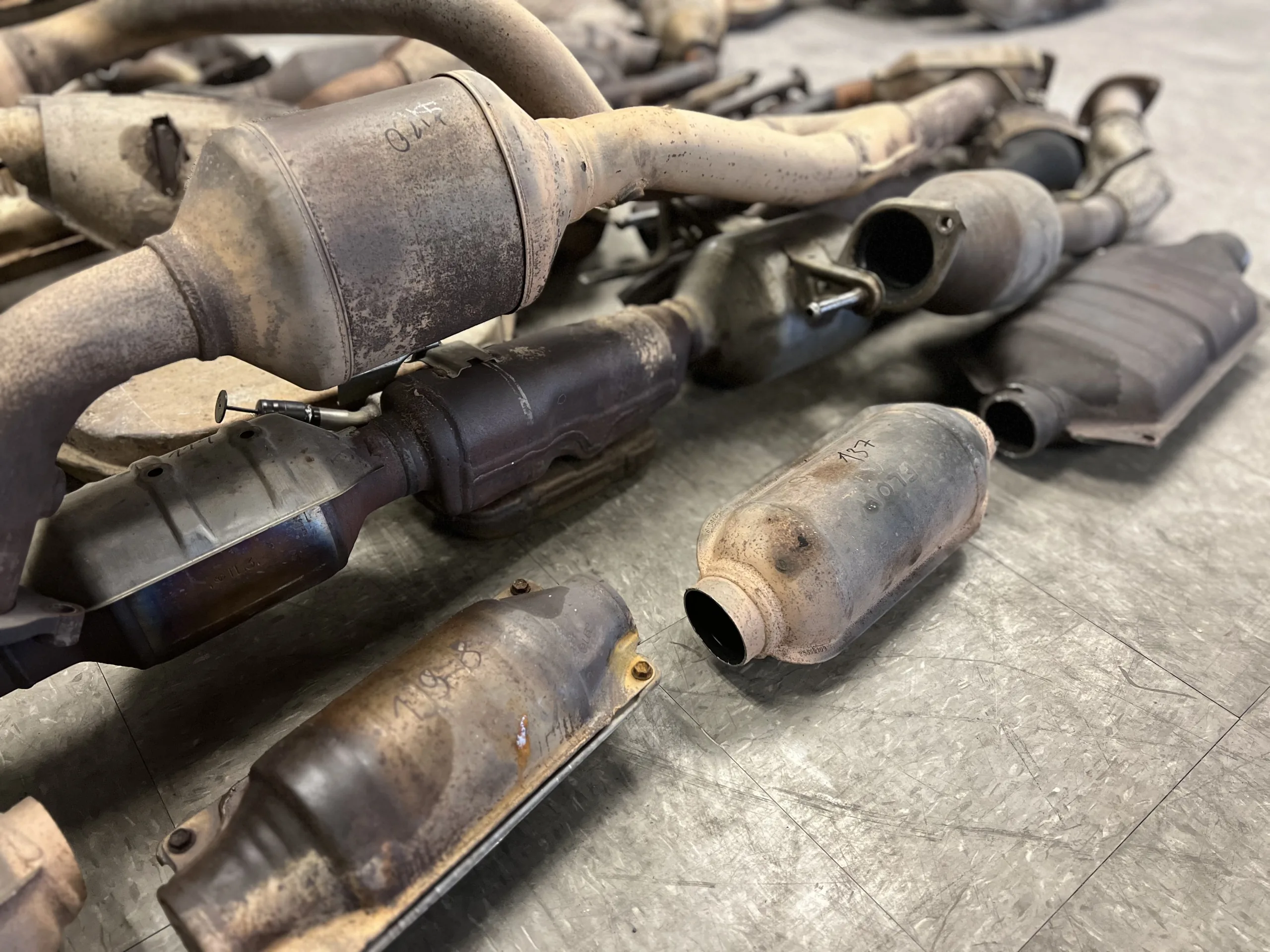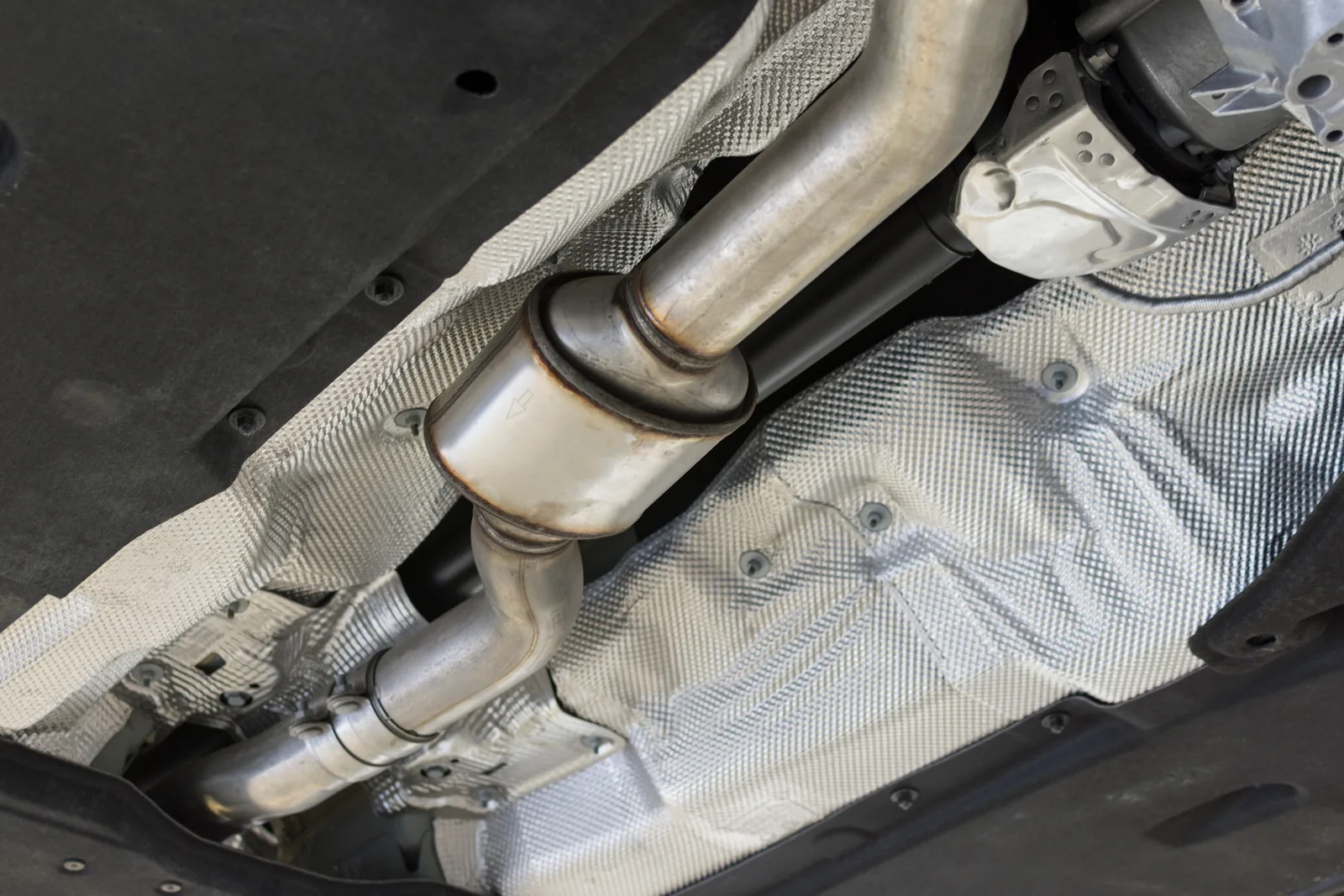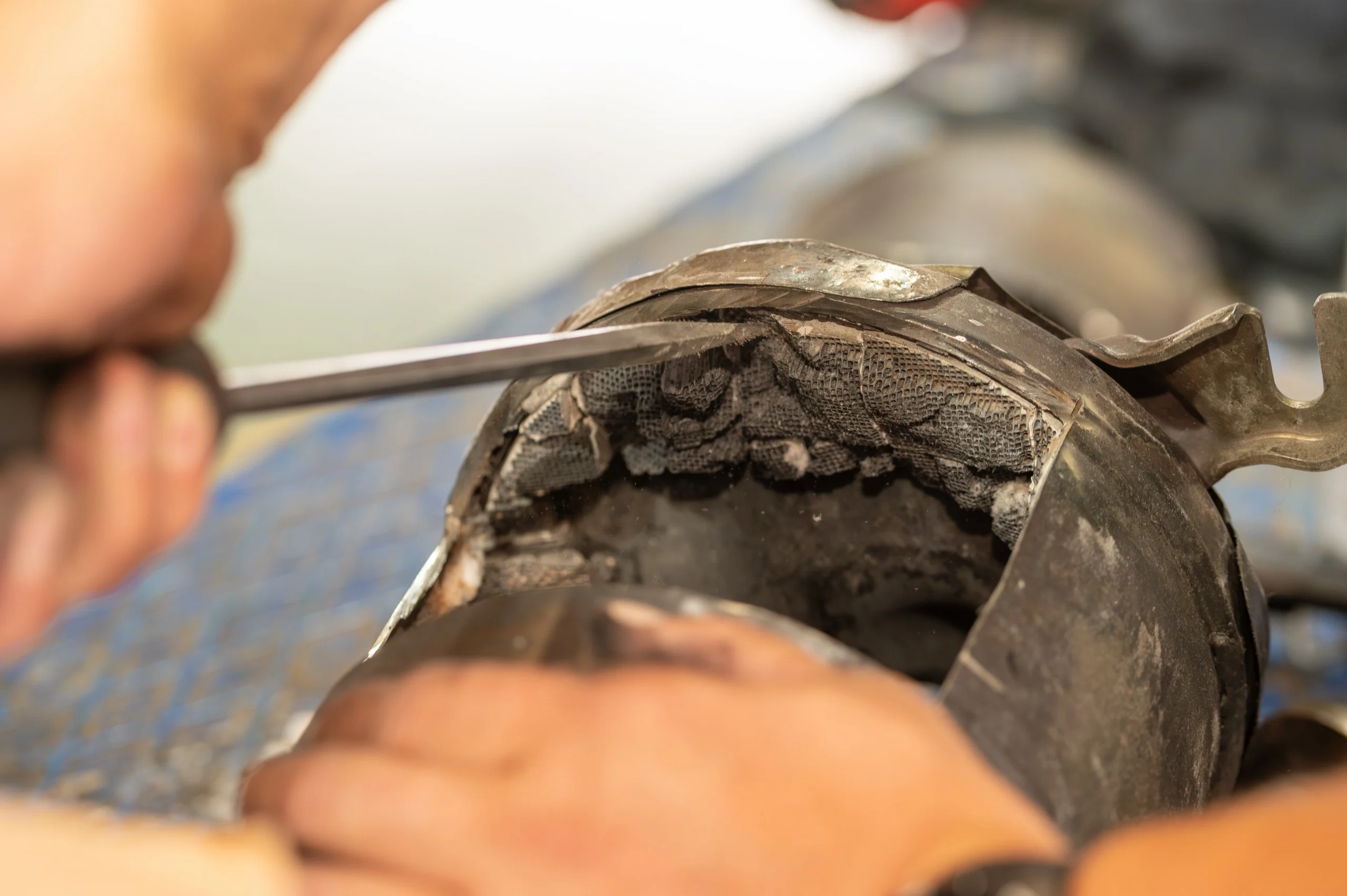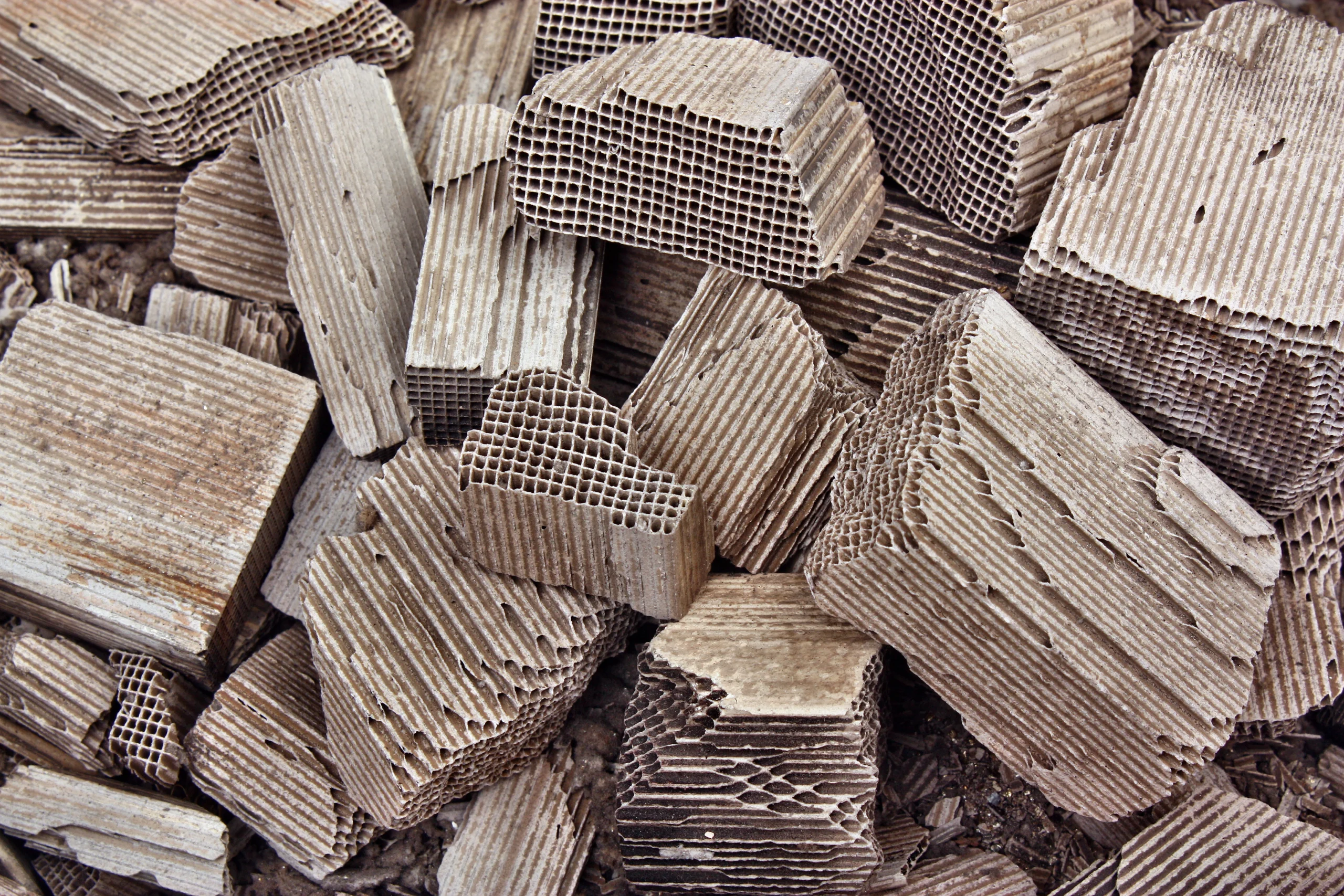

Most business owners have no idea they’re sitting on a goldmine. Used automotive parts collecting dust in warehouses, service centers, and scrap yards contain more valuable materials than many realize. Catalytic converter recycling has quietly become one of the most lucrative opportunities in the circular economy, with smart operators extracting serious profits from what others consider worthless junk.
Overview: This guide is written for businesses that handle used converters as a by-product – auto shops, dealerships, scrap yards, fleet operators and towing companies. It covers where the value sits, what moves the market, how units are valued, and how to turn an irregular by-product into a managed revenue stream.
Key Takeaways
- The value is inside, not outside – platinum, palladium and rhodium in the substrate, not the steel housing.
- Spent catalysts beat mined ore on concentration, which is why recovery is an industrial route rather than ordinary scrap handling.
- Vehicle type drives loading: European, Asian, diesel, hybrid and heavy-duty units all carry different formulations.
- Condition affects recovery: heat damage, contamination and structural integrity all change what can be extracted.
- Volume improves terms – batched, documented lots are easier to value than one-off units.
- Ask before you sell: how the unit is identified, how it is assayed, and when settlement clears.
The Secret Value Inside Your Exhaust System
Every catalytic converter houses a fortune in precious metals that would make a jewelry store jealous. These unassuming metal canisters pack platinum, palladium, and rhodium – materials worth more per ounce than gold itself. Depending on metal content and market conditions, Recohub values single units from $50 to more than $1,500, with high-grade units commanding the upper end of that range.
Unlike traditional scrap metal, these automotive components concentrate valuable materials in easily accessible forms. Modern vehicles require increasingly sophisticated emission control systems, meaning newer catalytic converters pack even more precious metal punch than their predecessors.
Why Are Scrap Catalytic Converters Valuable?
The short answer is concentration. Catalytic converter metal value comes from platinum group metals held in the coated substrate, and a peer-reviewed review in Cleaner Engineering and Technology notes that spent automotive catalysts carry considerably higher concentrations of these metals than natural ores, where grades typically run below 10 grams per tonne. The same review reports that spent units already supply more than 57 percent of Europe’s platinum group metal needs. That is the whole business case in one sentence: catalytic converter material value is denser in a used part than in the rock it originally came from.
Market Forces Creating Unprecedented Opportunities
Supply Chain Disruptions Drive Demand
Recent supply chain challenges have created perfect storm conditions for catalytic converter recycling profits. Mining operations face ongoing disruptions while automotive manufacturers desperately need steady precious metal supplies. The U.S. Geological Survey notes that the automotive industry has been the principal consumer of platinum group metals since 1979, and a peer-reviewed review in Cleaner Engineering and Technology reports that spent automotive catalysts already deliver more than 57 percent of Europe’s platinum group metal supply.
This supply crunch means catalytic converter scrap price values have reached historic highs, with no signs of declining demand. Smart recyclers position themselves as essential links in global supply chains, commanding premium pricing for quality materials.
Why Secondary Supply Keeps Gaining Ground
Primary supply is geographically concentrated. The U.S. Geological Survey’s Mineral Commodity Summaries 2026 records that the largest platinum group metal reserves sit in a small number of regions, and that the leading worldwide use of these metals is in catalytic converters. When demand is that concentrated on one application and supply is that concentrated geographically, recovered metal stops being a nice-to-have and becomes a structural part of the supply chain – which is precisely why catalytic converters recycling commands the pricing it does.
Technology Amplifies Recovery Rates
Advanced processing technologies have revolutionized precious metal extraction efficiency. Where older methods recovered 70-80% of available metals, cutting-edge techniques now achieve 95%+ recovery rates. This technological leap transforms previously marginal materials into highly profitable resources.
Strategic Approach to Catalytic Converter Valuation
Vehicle-Specific Pricing Intelligence
Catalytic converter price determination requires sophisticated understanding of automotive engineering. Luxury vehicles, diesel engines, and hybrid systems each use unique catalyst formulations with dramatically different precious metal loadings.
European vehicles typically contain higher platinum concentrations, while Asian manufacturers favor palladium-heavy formulations. Heavy-duty trucks and industrial equipment often pack the highest overall precious metal content, making them premium targets for catalytic converter recyclers.
Is There a Reliable Used Catalytic Converter Price Guide?
Searches for a used catalytic converter price guide – or a free catalytic converter scrap price guide – are common, and the honest answer is that no published list can replace identification and assay. A guide can show you the range; only analysis of your specific unit produces the figure you actually get paid. The same caution applies at the small end of the market: smart car catalytic converter scrap and other compact units carry smaller housings but still need proper identification, because a small unit from one model can outperform a larger one from another.
For businesses, the practical takeaway is to treat any headline number as an indication and ask the recycler how the final figure is reached. Our article debunking common myths about catalytic converter recycling covers the pricing misconceptions that cost sellers the most.
If you want the mechanics rather than a number, our complete guide to catalytic converter recycling sets out how a unit is identified, how its metal content is measured, what condition and contamination do to the result, and how a settlement figure is built – which is what any credible price ultimately rests on.
Condition Assessment Expertise
Physical condition dramatically affects recovery potential and final catalytic converter scrap price. Heat damage, contamination, and structural integrity all influence extraction efficiency. Professional assessment identifies these factors before processing begins, ensuring accurate valuations and optimal returns.
Market Timing Strategies
Precious metal markets exhibit cyclical patterns that savvy operators exploit for maximum profitability. Seasonal demand fluctuations, geopolitical events, and industrial trends create pricing opportunities for those who understand market dynamics. Professional recyclers track these patterns, advising clients on optimal timing for material liquidation.
Recohub’s Competitive Advantage Framework
Advanced Analytics Platform
Recohub employs comprehensive analysis that evaluates thousands of catalytic converter variables simultaneously. Vehicle year, manufacturer, engine size, emission standards, and market conditions feed into pricing models that deliver superior accuracy. This analytical approach translates directly into enhanced client returns.
Industrial-Scale Processing Capabilities
State-of-the-art facilities process materials using proven industry techniques: every lot is decanned, milled and homogenised before representative samples are taken, and precious metal content is measured by XRF and ICP assaying. Automated systems minimize handling losses while maximizing throughput, creating economies of scale that benefit every client transaction.
Global Market Intelligence
Real-time connection to international precious metal markets enables instant pricing adjustments and strategic positioning. Market makers in London, New York, and Shanghai provide continuous feedback that optimizes settlement timing and pricing strategies.
Regulatory Compliance Excellence
Environmental regulations surrounding precious metal processing continue tightening worldwide. Recohub maintains comprehensive compliance infrastructure that adheres to all applicable environmental and safety standards, ensuring uninterrupted operations regardless of regulatory changes.
Who Is Recohub FZC?
Recohub FZC is a precious metal recycler based in the SAIF Zone, Sharjah, United Arab Emirates, connecting collectors, recyclers and refiners across the Gulf, South Asia, Asia-Pacific, Europe, the United States and South Africa. Recohub holds ISO 9001, ISO 14001 and ISO 45001 certification, and every lot is decanned, milled and homogenised before sampling, with settlement calculated from measured precious metal content rather than a flat per-piece figure.
Comparing providers before you commit material is always worth the time. Our guide to the questions that help you discover the right recycling partner sets out what to ask about experience, valuation method, environmental standards, logistics and payment terms.
Financial Returns That Transform Businesses
Revenue Stream Diversification
Smart businesses integrate catalytic converter recycling as a consistent revenue generator rather than one-time transactions. Service centers, dealerships, and fleet operators develop systematic collection processes that create steady income streams from materials they previously discarded.
Cash Flow Optimization
Unlike many business investments requiring months for returns, precious metal recovery delivers immediate cash flow improvements. Processing typically completes within 2-4 weeks, providing rapid capital turnover that supports other business operations.
Risk Mitigation Through Portfolio Approach
Diversified precious metal portfolios reduce exposure to single-commodity price volatility. Professional recyclers balance platinum, palladium, and rhodium positions, creating stable returns even during market fluctuations affecting individual metals.
Where Converters Fit Among Scrap and Waste Materials Trading Business Ideas
Among scrap and waste materials trading business ideas, spent converters sit in an unusual position: the material arrives as a by-product of work the business already does, so there is no sourcing cost and no separate acquisition effort. A workshop replacing exhaust components, a dismantler stripping end-of-life vehicles or a fleet running scheduled maintenance generates the stock automatically.
What turns that by-product into a revenue line is process discipline: keep units intact, keep them separate from mixed scrap, record where each one came from, and batch them for collection rather than selling ad hoc. For the underlying case on why this material deserves a dedicated stream, see our article on the importance of recycling catalytic converters.
Where Spent Catalytic Converters Come From
Auto shops
- Source
- Swapped out during exhaust repairs
- Why it matters
- Steady trickle from routine work, plus an eco-friendly disposal story for customers
Dealerships
- Source
- Trade-ins and warranty parts
- Why it matters
- Volume makes batching and documented collection worthwhile
Scrap yards
- Source
- End-of-life vehicles
- Why it matters
- The converter is often the most valuable single component on the vehicle
Fleet operators
- Source
- Scheduled maintenance cycles
- Why it matters
- Predictable supply supports a standing collection arrangement
Towing companies
- Source
- Salvaged and recovered vehicles
- Why it matters
- Units arrive as a by-product of work already being done
In every case the material is a by-product of work the business already does – there is no sourcing cost, only a decision about where it goes next.
Future-Proofing Your Catalytic Converter Strategy
Electric vehicle adoption creates urgency around catalytic converter recycling opportunities. As internal combustion engines phase out over coming decades, existing converter supplies become increasingly valuable. Forward-thinking operators secure market positions now while abundant inventory remains available.
Regulatory trends favor businesses demonstrating environmental leadership through circular economy participation. Companies integrating sustainable practices like catalytic converter recycling often qualify for tax incentives and preferential treatment in government contracts.
How Long Will the Supply of Converters Last?
Longer than the headlines suggest. Hybrids run internal combustion engines and still need emission control, so they keep generating units that eventually reach end of life – and in many markets hybrid adoption is outpacing full electrification. Tightening emission standards also push manufacturers toward more capable catalysts, which keeps demand for recovered platinum, palladium and rhodium firm. Our article on the future of catalytic converter recycling looks at how that transition period plays out for businesses holding material.
Transform Waste Into Wealth Today
The catalytic converter recycling opportunity window won’t remain open indefinitely. Market conditions, technology advantages, and regulatory frameworks currently align to create exceptional profit potential for businesses willing to act decisively.
Recohub’s comprehensive platform transforms complex precious metal markets into straightforward profit opportunities. Advanced processing, transparent pricing, and global market access combine to deliver returns that many businesses find surprisingly substantial.
Stop letting valuable catalytic converter materials generate storage costs instead of profits. Contact Recohub today to discover how much wealth your existing inventory could generate through professional recycling services.
FAQ
How much money can I make from recycling my catalytic converter?
The profit from catalytic converter recycling varies widely depending on your vehicle type and current market conditions. A single catalytic converter can contain $50-$500 worth of recoverable precious metals, with luxury vehicles and diesel trucks typically at the higher end. The exact catalytic converter scrap price depends on platinum, palladium, and rhodium content, which professional assessment determines before processing begins.
How long does the catalytic converter recycling process take?
The complete catalytic converter recycling process typically takes 2-4 weeks from initial assessment to final settlement. This includes transportation, processing, precise assaying to determine exact precious metal content, and settlement calculation based on current market values. Recohub provides regular updates throughout the process to keep clients informed of progress and expected completion timelines.
What condition do catalytic converters need to be in for recycling?
Catalytic converter recyclers can process converters in various conditions, including damaged or contaminated units. While intact ceramic structures yield higher recovery rates, even heavily damaged converters retain significant precious metal value. Heat damage, physical cracks, or contamination may affect the final catalytic converter scrap price, but professional assessment determines exact value regardless of condition.
How do precious metal market fluctuations affect my returns?
Catalytic converter scrap price directly correlates with global precious metal markets, which can fluctuate daily based on industrial demand, supply chain factors, and economic conditions. Professional recyclers like Recohub offer price hedging options and market timing advice to help clients optimize their returns. Settlement calculations always reflect current market values at the time of processing completion.
Can I sell catalytic converters from any type of vehicle?
Yes, catalytic converter recyclers accept converters from virtually all vehicle types including cars, trucks, motorcycles, buses, and industrial equipment. However, the catalytic converter price varies significantly based on vehicle type. Luxury cars, diesel trucks, and hybrid vehicles typically yield higher returns due to their premium catalyst formulations, while older or smaller vehicles may contain lower precious metal concentrations but still maintain recyclable value.