
Key Takeaways
- High-risk Gulf lanes call for tighter route planning in 2026.
- Insurance wording matters as much as the premium.
- Clear cargo descriptions reduce customs and claims trouble.
- Chain-of-custody records help stop theft and disputes.
- Force majeure clauses need specific notice and delay terms.
- Smaller staged shipments can lower exposure.
- Buffer stock should cover delays without trapping too much cash.
What makes catalytic converter shipments high-risk on Gulf routes in 2026?
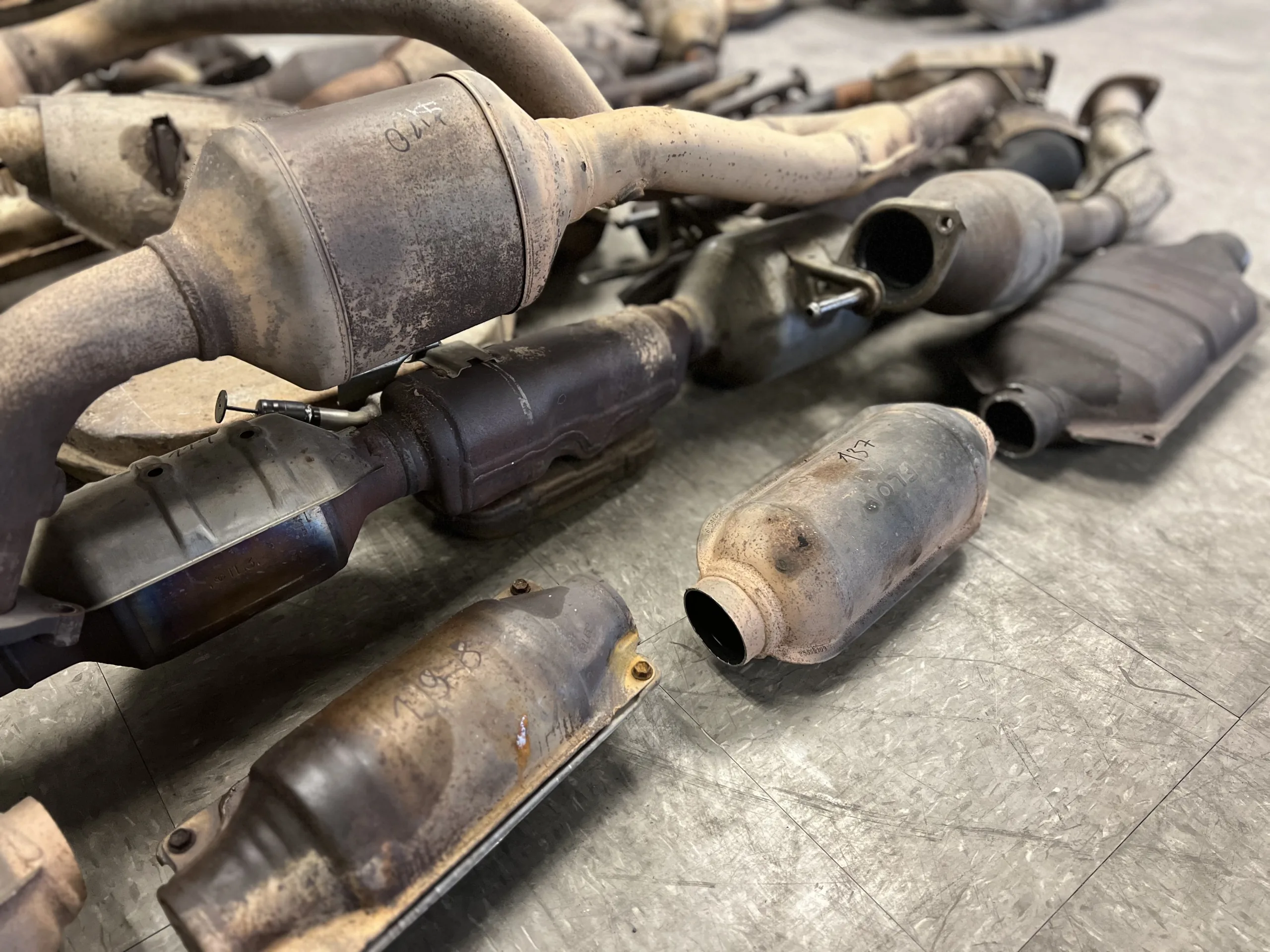
The risk comes from the route, the cargo, and the contract at the same time. When any one of those fails, the whole shipment can stall. In 2026, Gulf exporters have had to think harder about routing through waters exposed to military activity and sudden operational change. According to MARAD advisory 2026-001A, the Strait of Hormuz, Persian Gulf, Gulf of Oman, and Arabian Sea were subject to military operations and potential retaliatory strikes. For exporters, that means more than headline risk. It can mean war risk surcharges for catalytic converter shipments, shorter booking validity, route diversion, delayed discharge, and tougher insurer review. The cargo itself adds another layer. Converter loads are compact, easy to misdescribe, and often traded across several hands before final processing. That makes clear paperwork and traceable custody far more important than they might be for lower-risk bulk scrap.Which cargo traits raise risk before booking?
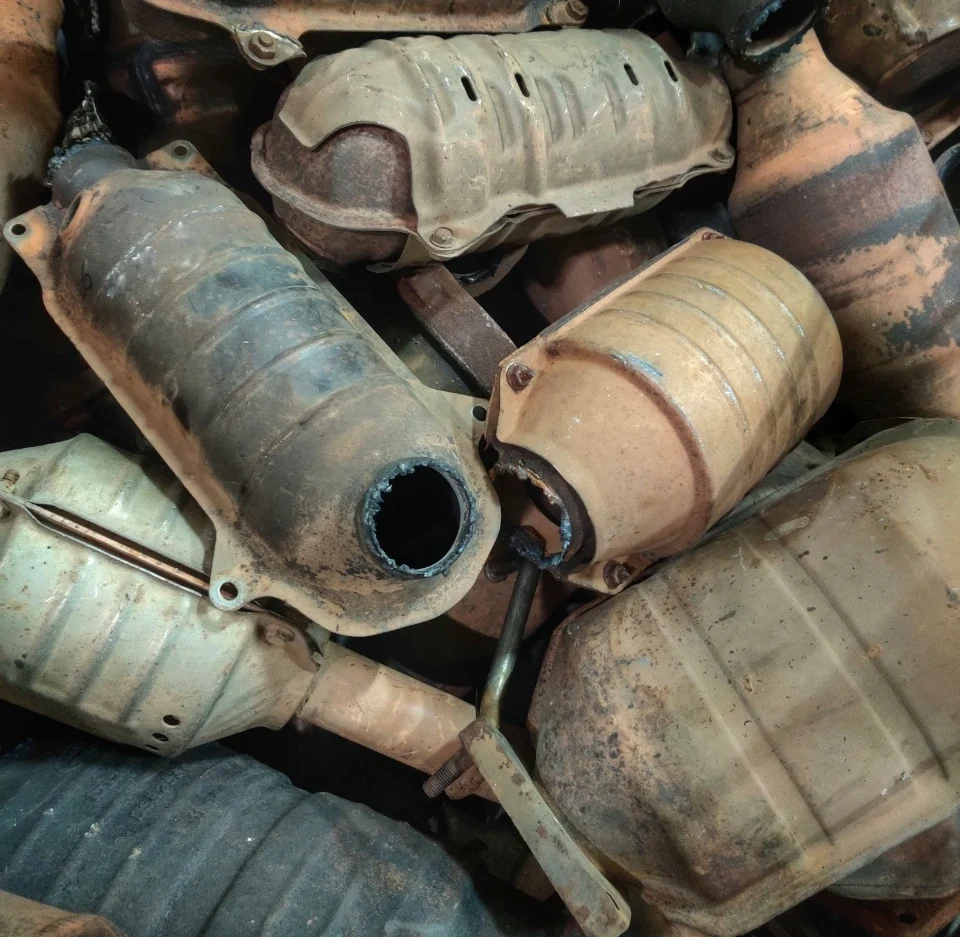
Mixed grades, used parts, and vague descriptions usually draw the most questions. The less precise your cargo file is, the more friction you invite. Before booking, separate whole units from cut pieces, shells, and loose internal material. Also state whether the lot includes a used catalytic converter, a metallic catalyst substrate, or mixed housings from different vehicle classes. Some traders watch the catalytic converter price in India as a market signal, but shipping and claims decisions should rest on documents, not chatter. Buyers, brokers, and insurers will care more about source records, actual weight, and how the catalytic converter metals are described across invoices, packing lists, and inspection notes.How should Gulf exporters classify the shipment before it leaves the yard?
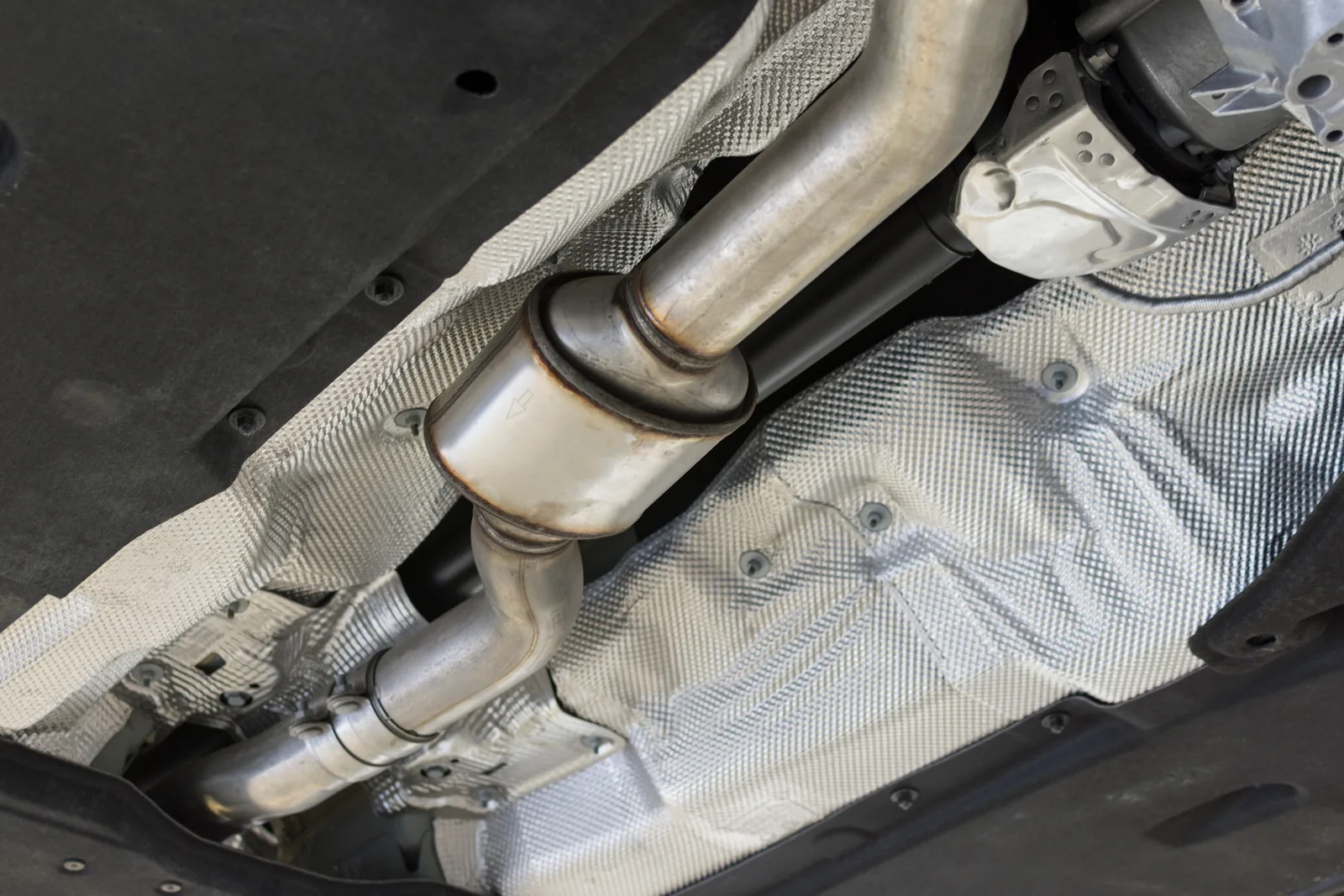
Sort first and book second. Clean classification lowers the chance of disputes later. A common mistake is treating all converter material as one generic scrap line. That looks simple on paper, but it creates trouble when the consignee receives a mixed lot, the insurer asks what was really shipped, or a surveyor cannot match the manifest to the cargo. Start with practical categories that the yard team can verify. Whole units should stay apart from cut units. Dry material should stay apart from wet or contaminated material. OEM-heavy lots should not be mixed with unknown aftermarket stock if the buyer values them differently. If your staff needs a simple refresher on function and composition, this guide to understanding catalytic converters is a useful starting point. That sorting work also helps with search intent questions exporters ask right now, such as how to ship catalytic converters from UAE safely or how to handle Gulf high-risk shipping routes for scrap cats. The answer is rarely one magic carrier. It is usually disciplined cargo preparation.What should sit in the packing list and commercial file?
Your file should let a third party match paper to cargo in minutes. If that cannot happen, claims get slower and buyer trust falls.- Seller and buyer names exactly as booked
- Pickup date and loading location
- Lot or batch number for each pallet, box, or drum
- Piece count where possible
- Gross and net weight by package
- Photos before sealing and at handover
- Seal numbers and container number
- Source statement for the material
- Condition notes, including cut, whole, or decanned status
Which insurance clauses matter most for catalytic converter exports?
Focus on wording that controls route change, war exposure, storage, theft, and claims notice. A low premium does not help if the policy does not respond when the voyage changes. Insurance for catalytic converter exports in 2026 needs closer reading than many exporters gave it in calmer years. If a vessel delays, diverts, or waits offshore, you need to know when cover starts, what events are excluded, how long the cargo can sit after discharge, and how fast notice must be given after a loss or threatened loss. Ask your broker to show you the policy summary and the full wording side by side. Then compare that against your sales contract and booking terms. If one document says the seller carries risk to discharge and another says handover happens at loading, a dispute is already built into the file.How should you read war risk and exclusion wording?
Read the trigger, the exclusion, and the notice rule as one block. If you read them separately, you may miss the gap that matters. Look for clear answers to these questions. Does cover change if the vessel alters route? What if the cargo sits at an intermediate terminal longer than planned? Are theft, missing packages, and tampering treated the same way? What deadlines apply for first notice, survey request, and final claim papers? If you insure a mixed lot that includes a car catalytic converter, ask whether the cargo description on the policy matches the invoice wording exactly. Small wording gaps can become big problems if a claim handler argues that the shipped goods were described too broadly or too vaguely.What should your policy review cover?
A short review sheet is enough if it covers the right points. The goal is to spot weak wording before the container is gated in.| Policy point | Why it matters | What to ask before shipment |
|---|---|---|
| War risk trigger | Routes can change quickly in high-risk waters | When does extra cover attach, change, or end? |
| Route or transshipment change | A diverted voyage may fall outside the original assumption | Do I need to notify the insurer if the carrier reroutes? |
| Terminal storage extension | Delayed pickup after discharge can create uncovered days | How long is cargo covered while waiting at port? |
| Theft or tampering wording | Compact, valuable loads can go missing in part, not whole | How is partial loss documented and handled? |
| Claims notice deadline | Late notice can weaken an otherwise valid claim | Who must be notified, and within what time? |
What routing options reduce exposure without stopping trade?
The safer route is the one you can document, insure, and monitor from start to finish. Shorter is not always safer, and longer is not always worse. For many exporters, the first choice is still a direct move with the fewest handoffs. Fewer touchpoints mean fewer places for delay, theft, or paperwork mismatch. However, a direct service with weak schedule reliability may be worse than a slightly longer move through a well-run port where seals, weights, and gate records are easier to confirm. Another useful step is lot splitting. Instead of putting a month of feed into one box, some exporters divide shipments into smaller waves. That lowers concentration risk. If one container is delayed, the whole trading month is not trapped behind it.When does a longer route make sense?
A longer route makes sense when it removes a weak transfer or gives better cargo control. Transit days matter, but control points matter too. For example, a longer routing can be the better choice if it avoids a congested transshipment stop, reduces weekend dwell time, or puts the cargo into a port with better inspection records and easier communication. Exporters should compare full door-to-door exposure, not just sailing days on the carrier schedule.What does a route comparison look like?
A simple route sheet should show exposure, not just transit time. The table below is a practical way to compare options before booking.| Route choice | Main upside | Main risk | When it fits |
|---|---|---|---|
| Direct sailing from Gulf port | Fewer handoffs and cleaner custody trail | Less room to recover if the vessel schedule changes | Time-sensitive loads with strong carrier visibility |
| Feeder plus transshipment | More carrier options | Extra touchpoint for delay, seal issues, or misrouting | When direct space is tight but terminal control is good |
| Split shipment across two bookings | Lower concentration risk | More admin work and more document sets | Higher-value mixed lots or uncertain route weeks |
| Short hold, then later loading | Avoids rushed booking during unstable periods | More yard storage and cash tied up | When route signals are poor and the buyer agrees |
How can exporters cut theft, tampering, and misdeclaration risk?
Build chain-of-custody control before the truck reaches port. Small checks done early save large arguments later. Start with loading discipline. Count the cargo twice. Photograph each lot before it enters the container. Record weight by package if practical. Seal the container once, record the seal clearly, and keep one file with photos, weight tickets, and the signed loading sheet. If a buyer or insurer asks what changed, you want one clean answer. Do not rely on memory for mixed lots. Use pallet tags, box labels, or drum numbers that appear on the packing list. Also make sure the invoice, export papers, and booking description use the same commercial language. Misdeclaration is not always fraud. Sometimes it is just sloppy wording. Either way, the shipment can be delayed.What packaging and seal controls help?
Use packaging that makes interference obvious. If someone opens a lot, the trail should show up fast.- Pack loose material in sealed drums or lined boxes, not open sacks
- Use tamper-evident tape or numbered ties on inner packages
- Apply batch labels that match the packing list exactly
- Take time-stamped photos before closing the container doors
- Keep one signed handover sheet from yard to truck and from truck to terminal
- Check and record the outer container seal again at gate-in
What should a force majeure clause actually say?
It should name the event, set a notice rule, explain what happens to performance, and state when either party may suspend or end the contract. If the clause is vague, the dispute starts when the cargo is already late. High-risk route trading needs contract language that fits real shipping problems. A clause should say what counts as a force majeure event, when notice must be given, what evidence is needed, whether shipment dates are pushed back or suspended, and when the parties may walk away if disruption lasts too long. For a widely used reference point, the ICC Force Majeure and Hardship Clauses show how parties often frame events, notice, and the effect on obligations. Exporters should still get local legal review, but the big lesson is simple: do not use a one-line clause for a route that may face sudden military or carrier restrictions.When should hardship language be added?
Add hardship language when shipment is still possible but the deal changes sharply in cost or timing. That is different from a full stop caused by force majeure. This matters when a route stays open but freight, storage, or insurance shifts so far that the original bargain no longer works as planned. Hardship wording can set a path for renegotiation, revised delivery windows, or cost sharing instead of an immediate breach fight.How much contingency stock should buyers and sellers hold?
Hold enough stock to cover route noise, not enough to trap cash for months. Buffer stock should be based on lead time and delay risk, not guesswork. A simple way to think about it is this: take your normal pickup-to-receipt time, add a delay cushion for route instability, and then add a small buffer for inspection or claims handling. That gives a target stock cover in days. Review it every few weeks while the route remains unstable. This is also where warehousing and processing discipline matter. Recohub explains the hidden costs of not recycling catalytic converters, which is a good reminder that material sitting too long can create its own drag on cash flow and planning.How can you plan buffer stock without freezing cash?
Use smaller staged shipments and clear reorder triggers. That gives breathing room without turning inventory into dead money. Try setting two triggers. The first is a normal reorder point based on average lead time. The second is a risk trigger based on route disruption. When the route signal worsens, you switch from full loads to staged loads and update buyers on revised delivery windows. That is much easier than explaining a complete stop after one delayed container.What should a shipment control matrix include?
It should connect shipping, stock, and claims actions in one view. The goal is fast decisions when a route changes mid-week.| Stage | Key control | Evidence to keep | Trigger to act |
|---|---|---|---|
| Pre-booking | Classify cargo by type and condition | Lot list, photos, source notes | Buyer asks for more detail or insurer queries cargo wording |
| Loading day | Count, weigh, and seal the shipment | Weight tickets, seal photo, loading sheet | Mismatch between lot sheet and packed cargo |
| Sailing | Confirm booked route and ETA | Carrier confirmation, policy file | Route change or blank sailing notice |
| Transshipment | Check custody and status updates | Terminal update, revised ETA | No movement or unexplained hold |
| Arrival | Inspect for shortage or tampering | Arrival photos, tally, seal record | Broken seal, missing package, weight gap |
| Claim or dispute | Send notice and preserve documents | Claim file, survey request, correspondence | Any loss, damage, delay dispute, or misdescription issue |
What compliance mistakes cause the most trouble at transshipment and customs?
Vague descriptions, mixed seller records, and mismatched weights cause the most trouble. If the paper does not match the cargo, the shipment slows down. Avoid broad labels that say almost nothing. If the goods are used converter units, say so in plain language. If they are cut pieces or decanned material, say that too. Keep the same terminology across booking details, invoice, packing list, and any inspection note. Do not let one document say mixed auto parts while another says recycling material and a third says metal scrap. Those gaps invite questions. It also helps to separate title and possession records. If one company bought the lot, another packed it, and a third arranged export, the file should show who handled what and when. That kind of clarity is useful in customs review and just as useful when an insurer or buyer asks for the story after a delay.How should you document used converter cargo?
Describe the condition, source, quantity, and packing method in simple terms. Every document should tell the same story. If a lot includes an automotive catalytic converter batch headed for recycling, state whether the units are whole, cut, or decanned, and whether the cargo is packed by model group, mixed brand, or general lot number. Add clear photos, package counts, and weights. If any part of the load is wet, dirty, or damaged, note that before shipment rather than hoping it will not matter later. For Gulf exporters, compliance is often less about one dramatic rule and more about boring consistency. Good files move faster. Weak files trigger more calls, more holds, and more blame shifting when something changes en route.Pre-Shipment Risk Checklist
Seven controls to confirm before your container leaves the yard.
-
01Classify the cargoSeparate whole units from cut, decanned, or mixed material. Note OEM and aftermarket lots clearly.
-
02Match the paperworkBooking, invoice, packing list, and inspection notes all use the same cargo description.
-
03Record weights, photos, and sealsWeigh by package, photograph each lot before sealing, and log the seal number at loading and at gate-in.
-
04Review the insurance wordingCheck war risk trigger, route change rules, theft cover, terminal storage limits, and claims notice deadlines.
-
05Confirm the route planVerify carrier schedule reliability, transshipment exposure, and what happens if the vessel diverts mid-voyage.
-
06Check the force majeure clauseConfirm notice rules, required evidence, and when either party may suspend or end the contract.
-
07Set buffer stock triggersPlan normal reorder points plus risk-based triggers for switching to smaller, staged shipments.
Summary
Shipping converter material through high-risk Gulf routes in 2026 calls for calm, detailed trade control. Exporters who sort cargo clearly, match insurance wording to real route exposure, tighten chain-of-custody records, and plan backup stock are in a much better position when vessels divert or delays stretch out. Just as important, strong paperwork helps at customs, supports claims, and cuts buyer disputes. If you handle recycling feed or export lots from the Gulf or South Asia, it helps to work with a recycling partner that understands grading, documentation, and shipment quality from the first yard check to final processing. That keeps risk lower and decisions faster when the route is anything but routine.FAQ
How do you ship catalytic converters safely through high-risk Gulf routes in 2026?
Safe shipping in 2026 depends on disciplined cargo preparation, not on finding one perfect carrier. Start by classifying the cargo precisely — separate whole units from cut, decanned, or mixed material. Match the same description across booking, invoice, and packing list. Review your insurance wording for war risk, route change, and theft cover before booking. Confirm the route plan with the carrier and split larger lots into staged shipments if route signals are unstable. Strong files move faster through customs and claims; weak files create disputes when something changes en route.
What insurance do you need for catalytic converter shipments in the Gulf?
Gulf catalytic converter shipments need cargo insurance that covers war risk, route diversion, terminal storage extension, theft and tampering, and clear claims notice deadlines. A low premium does not help if the policy fails to respond when the vessel reroutes or the cargo sits at an intermediate port. Review the policy summary and the full wording side by side, then compare both against your sales contract terms. Ask your broker specifically how cover changes if the carrier reroutes mid-voyage and how long the cargo remains covered after discharge before pickup.
What documents do you need to export used catalytic converters?
A complete export file for used catalytic converters typically includes a detailed commercial invoice, a packing list with lot-level descriptions, a certificate of origin, source records or chain-of-custody documents, container seal numbers, gross and net weights per package, photos of the cargo before sealing, and any required permits or licences for waste shipments. The most important rule is consistency — every document must describe the cargo the same way. Vague terms like “mixed metal scrap” instead of “used catalytic converter units” invite customs questions, delays, and insurance disputes.
Are catalytic converters classified as dangerous goods for international shipping?
Used catalytic converters are not generally classified as dangerous goods under standard international shipping rules, but they are treated as controlled waste shipments in many jurisdictions, including the UAE and EU under the Basel Convention. That means proper waste shipment notification, traceable source documentation, and approved consignee details are often required. Whole units, cut pieces, and decanned material may also be treated differently by customs depending on the destination country. Always confirm the exact classification with your freight forwarder and the destination country’s customs authority before booking.
What happens if your catalytic converter shipment is diverted or delayed in 2026?
If a Gulf shipment is diverted or delayed in 2026, the practical consequences depend on three documents: the carrier’s bill of lading, your insurance policy wording, and your sales contract. The carrier may invoke route flexibility clauses without immediate notice. Your insurance may treat the diversion as a covered event, an excluded event, or a notifiable change requiring you to inform the insurer. Your buyer contract should include a force majeure clause with clear notice rules, evidence requirements, and terms for suspending or ending the contract. Without all three aligned, a routine delay can quickly turn into a claims dispute.