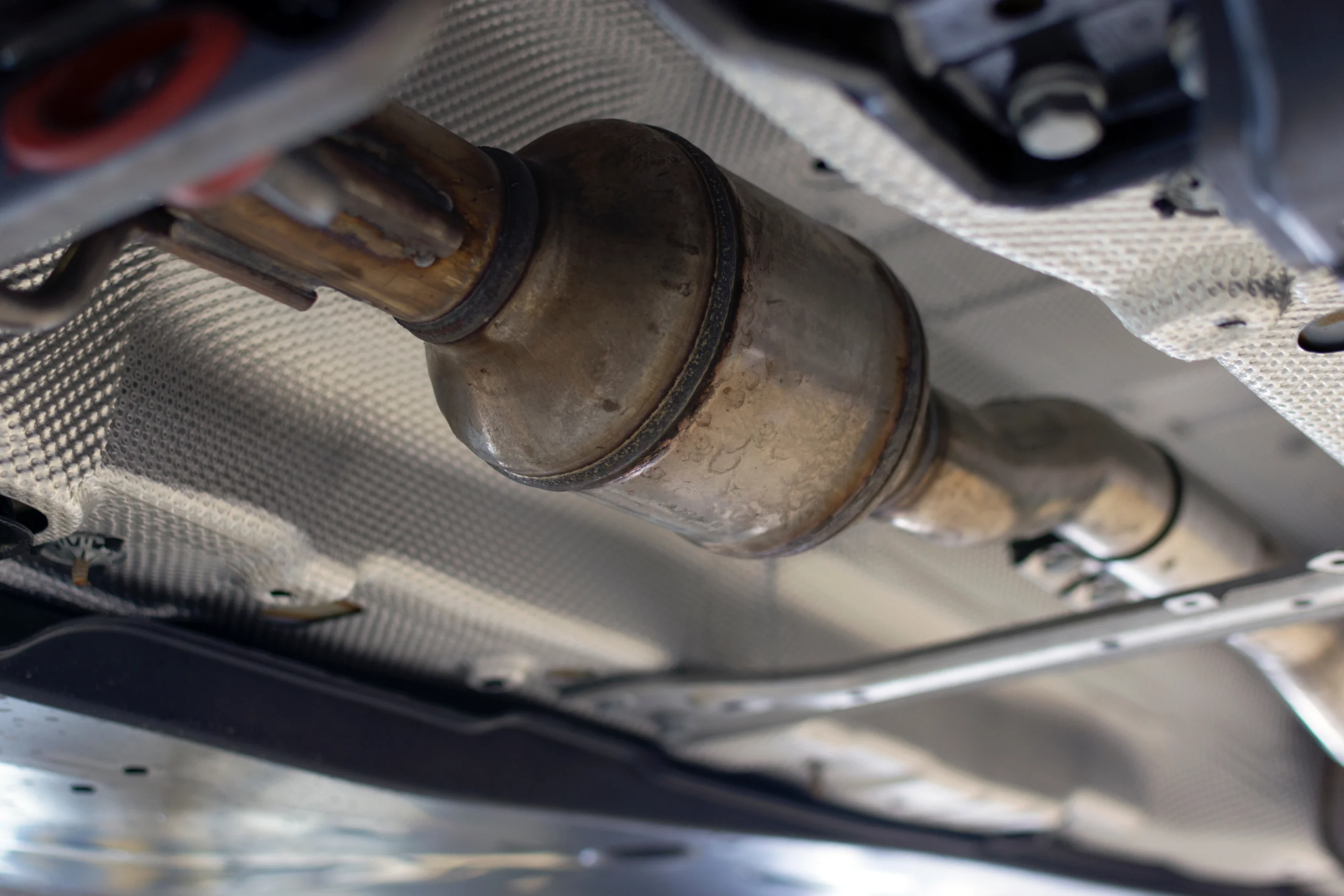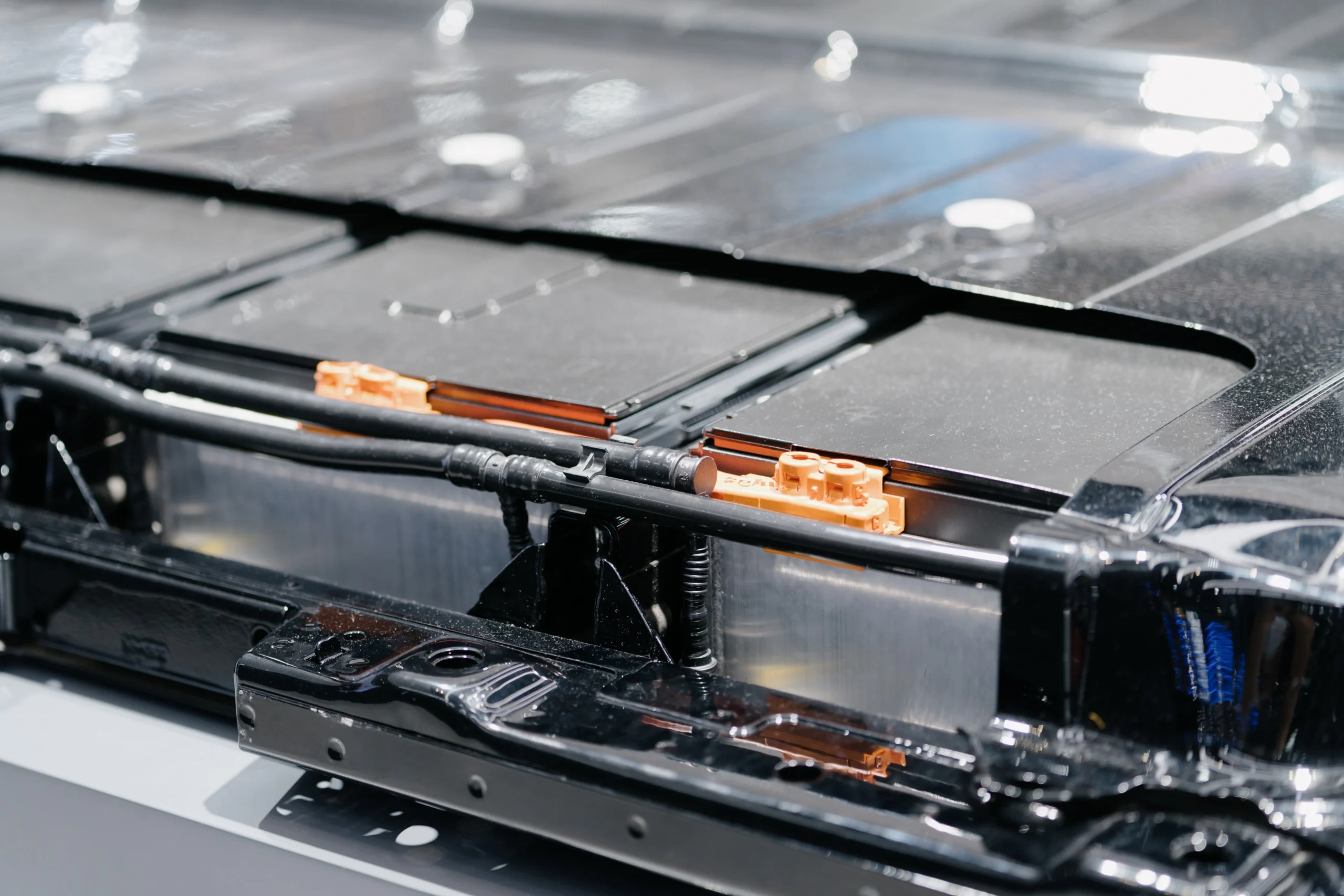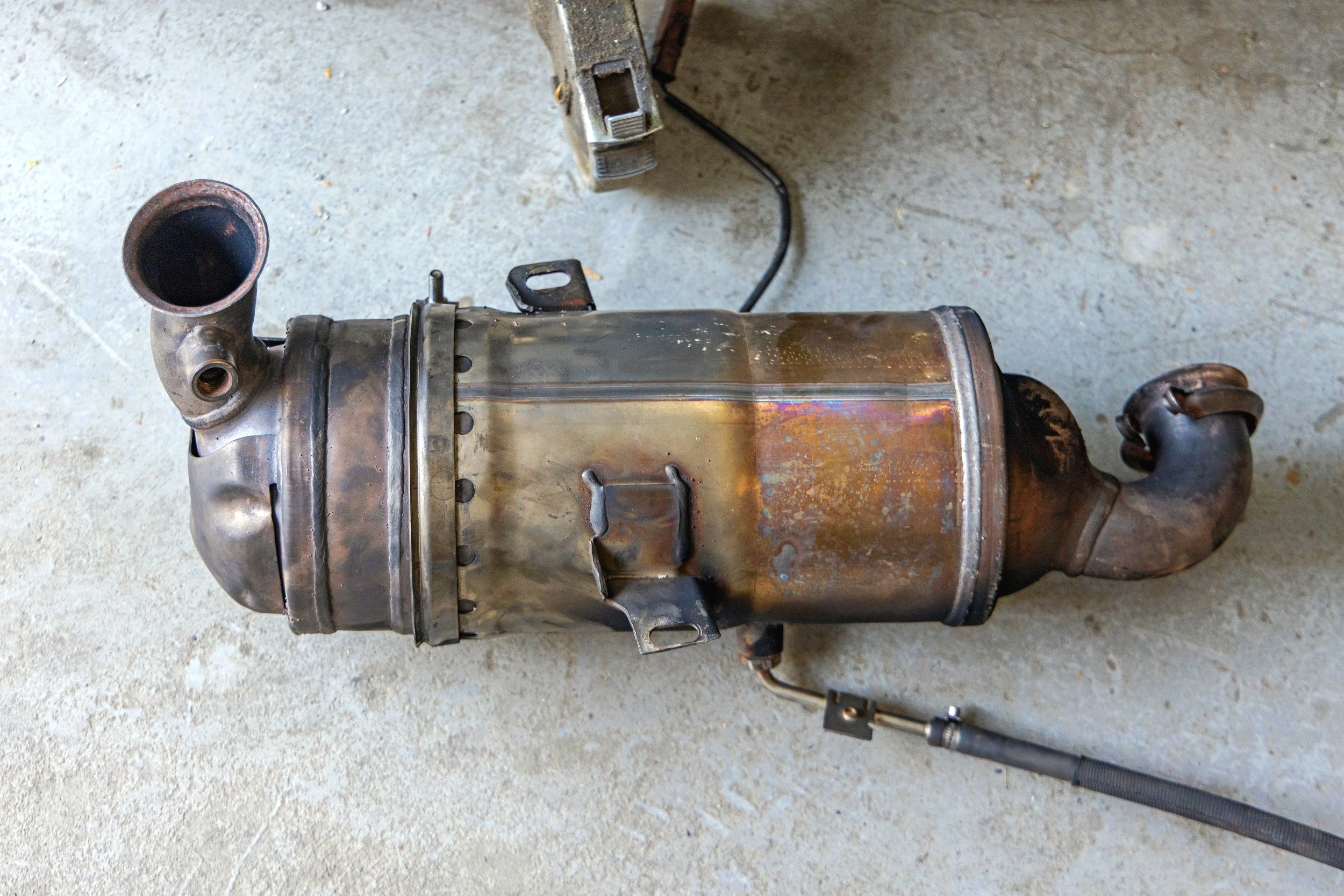

Introduction: This article covers what makes Japanese catalytic converters valuable in the scrap market, how to assess and document them correctly, and what you need to know before selling or exporting legally. Japanese factory units often attract strong scrap bids because many original units were built with metal loads that refiners want to recover. Still, the country label alone does not decide value. Part numbers, OEM status, condition, and legal paperwork matter just as much. If you are handling a car catalytic converter for resale or export, you need to protect both the price and the paper trail from the start.
Key Takeaways
- Japanese OEM units often draw attention because of recoverable platinum-group metals.
- Part number, condition, and origin records matter more than size alone.
- Not every Japanese converter is high value.
- Export rules vary by country and by material classification.
- Clean invoices and proof of ownership reduce risk.
- Aftermarket, damaged, or hollow units usually grade lower.
Why do Japanese catalytic converters often bring more?
Because many older Japanese OEM converters are known in the recycling trade for having strong recoverable metal content. According to USGS, platinum-group metals include palladium, platinum, and rhodium. Those are the metals that make converters useful both for emissions control and for recycling after the part reaches end of life.
That is the simple reason certain Japanese units often rank well. Buyers are not paying for the shell. They are paying for the likely metal recovery inside the substrate, plus the confidence that the unit is genuine and traceable.
Why the “Japanese” label is not enough on its own
However, there is an important limit here. Japanese does not mean valuable by default. A cheap aftermarket replacement, a broken shell, or a unit that has already been cut open may sell for much less than an intact OEM part from the same vehicle line. That is why experienced buyers look past broad labels. They check the code, shape, shell style, and source history. The better the record, the easier it is to grade and move the unit legally.
What makes one unit worth more than another?
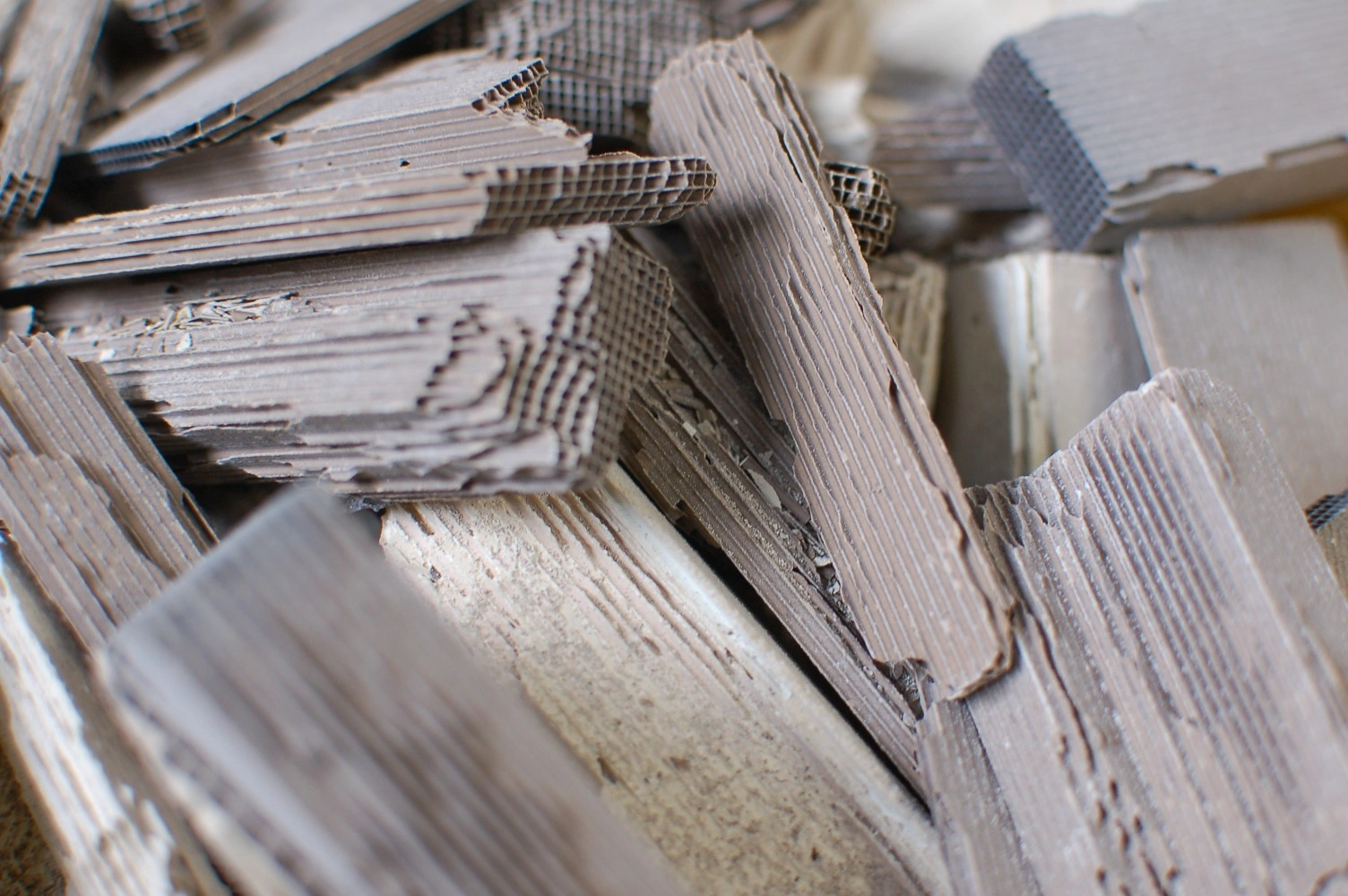
Start with the basics. Value usually comes from original construction, likely metal content, and how easy the unit is to identify.
If you want a quick refresher on function, Recohub has a useful explainer on understanding catalytic converters and their environmental impact. That background helps when you compare OEM and aftermarket parts.
A common question is what does a catalytic converter do. In simple terms, it helps reduce harmful exhaust gases before they leave the vehicle. The active coating inside the substrate is what matters, and that is also what recyclers care about.
The key factors buyers check first
- OEM vs aftermarket — Original factory units usually attract more interest because buyers can identify them more easily.
- Part number and code — A readable code helps a buyer match the unit to known grading data.
- Substrate condition — Intact ceramic or metallic material is better than cracked, melted, or empty material.
- Shell condition — A badly cut shell raises questions and can lower confidence.
- Vehicle type and emissions design — Different engines and standards used different catalyst loads.
- Chain of custody — Clean sourcing records matter more now because theft risk is a real issue.
Many sellers search for scrap catalytic converter prices or catalytic converter prices, but list-style numbers are only a rough guide. Real buying offers depend on the exact code, the condition, and whether the buyer trusts the source. The same is true for a used catalytic converter. One unit may be easy to grade, while another may need much more caution.
Before you ship or sell an automobile catalytic converter, ask for a code-based quote rather than a guess based on weight or size. That one step can save you from underpricing a strong OEM piece or overrating a weak replacement.
Table: The main factors that affect scrap value and export risk
The table below shows what buyers usually check first, what tends to support a stronger offer, and what can slow or block a legal shipment.
| Factor | What usually helps value | What usually hurts value | Why it matters for export |
|---|---|---|---|
| Part identification | Readable OEM code or clear model match | No code, heavy rust, unclear origin | Clear ID helps with invoices, customs descriptions, and buyer trust |
| Construction | Original shell and intact substrate | Aftermarket shell, cut casing, empty unit | Damaged or altered parts can trigger more questions during review |
| Source records | Invoice, dismantler record, seller details | No proof of ownership or mixed loose loads | Traceability helps show lawful origin |
| Sorting | Units grouped by code or vehicle type | Mixed bins with no labels | Sorted loads are easier to declare and inspect |
| Condition | Dry, intact, photographed, stored safely | Crushed, wet, contaminated, badly handled | Poor condition can reduce buyer confidence and slow acceptance |
| Material status | Properly described as required by buyer and destination | Wrong description or vague paperwork | Cross-border rules can change based on classification |
How Japanese OEM grades typically compare
Not all Japanese OEM units land in the same tier. The table below gives a general overview of how units from common Japanese vehicle types tend to be perceived in the scrap market. These are broad patterns, not guaranteed values — always verify by code before making decisions.
| Vehicle category | Typical OEM status | General market perception | Key variable |
|---|---|---|---|
| Japanese passenger cars (pre-2005) | Often OEM, easier to identify | Generally sought after | Substrate must be intact and unaltered |
| Japanese hybrid vehicles | OEM but different catalyst design | Varies by model — check code carefully | Different PGM load than standard combustion |
| Japanese light commercial vehicles | Mixed — OEM and aftermarket common | Moderate — condition and code matter more | Source records important for traceability |
| Japanese performance/sports models | Often OEM with higher-spec catalyst | Can attract stronger bids | Rarity and OEM status must be confirmed |
| Japanese aftermarket replacements | Not OEM | Lower grading regardless of country label | Weight and condition still matter, but ceiling is lower |
Are Japanese converters always the top choice?
No. Some Japanese OEM units do very well, but broad claims can mislead. Buyers compare each piece by code, construction, and paperwork, not by country badge alone.
A BMW converter is judged the same basic way. The buyer wants to know what it is, whether it is original, and whether it came from a lawful source. Brand names may catch attention, but data closes the deal.
How to avoid overpaying or underpricing
This matters because the market is full of exceptions. Two converters from the same maker can grade very differently. One may be a sought-after OEM unit. Another may be a low-grade replacement that only looks similar from the outside. If your goal is the highest lawful return, avoid shortcuts. Use photos, codes, and a clear inventory list. That makes comparison much easier and reduces disputes later.
How can you export them legally?
Start with the rules of the sending country, the receiving country, and any transit countries. Use the Basel Convention Export and Import Control Tool to review how countries control cross-border movements of waste and related materials. Requirements can change based on how the shipment is classified and where it is going.
Next, build a clean file for every shipment. Keep invoices, seller details, buyer details, packing lists, weights, photos, and proof of ownership. If the parts came from dismantling or insurance disposal, keep those records too. Good paperwork is not a formality. It is your first layer of legal protection.
There is another reason to be strict here. Recohub’s article on the black market for stolen catalytic converters shows why serious buyers now ask hard questions about origin. If the chain of custody looks weak, the buyer may reject the lot or lower the offer.
What documents should you prepare?
Keep it simple and complete. Prepare the records before the truck arrives, not after.
- Commercial invoice with clear seller and buyer details
- Packing list with counts, weights, and lot numbers
- Photos of units and pallets before shipment
- Proof of ownership or dismantling records
- A clear material description that matches the shipment
- Any country-specific export or import paperwork your broker requests
If you are new to the market, Recohub also explains the catalytic converter buying process in a way that helps you see what reputable buyers normally ask for.
What mistakes hurt value or cause legal trouble?
The biggest mistakes are easy to avoid. Most happen before the units ever reach a buyer.
- Mixing everything together — Unsourced mixed loads are hard to grade and hard to defend.
- Removing or damaging the shell — A cut shell often lowers confidence and can reduce the offer.
- Skipping source records — No invoice means more risk for everyone in the chain.
- Using vague descriptions — A poor description can create customs issues or payment delays.
- Ignoring destination rules — A lawful shipment in one country may need different handling in another.
Why verbal estimates cost you money
Another common mistake is relying on a verbal estimate without code verification. If you only hear “Japanese units are always high,” you are not getting a real valuation. Good buyers want specifics. That protects them, and it protects you.
Should you sell locally or export?
Choose the route that leaves you with the best net result after admin, shipping, and compliance costs. Export can make sense when the overseas buyer offers stronger grading or better recovery routes. Local sale can make sense when speed, lower freight, and simpler paperwork matter more.
Questions to ask before you decide
- Do I have clean proof of ownership for every lot?
- Can the buyer quote by code, not by guesswork?
- Do freight and customs costs eat the extra margin?
- Will the destination accept this material as described?
- Can I keep the shipment traceable from pickup to delivery?
If you plan to move a car catalyst across borders, compare the possible gain against the extra paperwork, timing risk, and shipping costs. The highest headline offer is not always the best real outcome.
How should you prepare converters for sale or export?
Keep them sorted, counted, and dry. Photograph lots before pickup. Record weights by pallet or box. Store OEM units separately from obvious aftermarket pieces. Do not over-handle the shells. Damage can create doubts that were not there before.
Building a simple inventory that buyers trust
Use a simple inventory sheet. Include date received, source, vehicle details if known, part code if visible, and quantity. Small steps like this make grading faster and reduce disagreements later. They also help if a broker, customs agent, or buyer asks follow-up questions. Most important, stay honest in the description. If a lot is mixed, say it is mixed. If some units have unreadable codes, note that early. Clear communication helps serious buyers trust the shipment and quote it fairly.
Summary
Japanese converters often bring strong scrap interest because many OEM units are linked with recoverable platinum-group metals, but value still comes down to proof, condition, and exact identification. The safest path is simple: sort carefully, document ownership, verify the code, and check export rules before anything leaves your site. If you need help moving material through a compliant catalytic converter recycling process, a specialist partner can help keep both the commercial side and the paperwork under control.