
Introduction: The short answer is no – precious metals are not on their way out overnight. In the world of the catalytic converter, they still do the hardest work: helping turn harmful exhaust gases into less harmful emissions. What is changing is the way manufacturers use them. Automakers, engineers, and recyclers all want systems that use less material, create less supply risk, and still meet strict emissions goals. That means the future is not a clean break from platinum, palladium, and rhodium. It is more likely a slow shift toward lower loading, smarter design, and stronger recovery through catalytic converter recycling.
- Precious metals still play a central role in catalytic converters.
- Automakers want to reduce dependence on scarce, volatile materials.
- Using less metal is more realistic than removing it completely right now.
- Alternative catalyst systems exist, but broad rollout remains limited.
- Recycling stays important even if catalyst formulas change.
- Businesses should watch material mix, recovery methods, and regulation.
Are precious metals really on their way out?
Not in the near term. Precious metals remain essential in most catalytic converters, even as manufacturers work to reduce how much they use.
The original article got the core idea right: the industry is moving, but it is not abandoning these materials all at once. A catalytic converter still depends on catalyst chemistry that can handle extreme heat, long service life, and strict emissions targets. That is why the conversation has shifted from “replacement” to “reduction.”
In practice, that means three things. First, automakers want to use smaller amounts of high-value metals where possible. Second, engineers keep testing new material combinations and coatings. Third, the recycling industry becomes even more important, because recovered metal helps offset pressure on new supply.
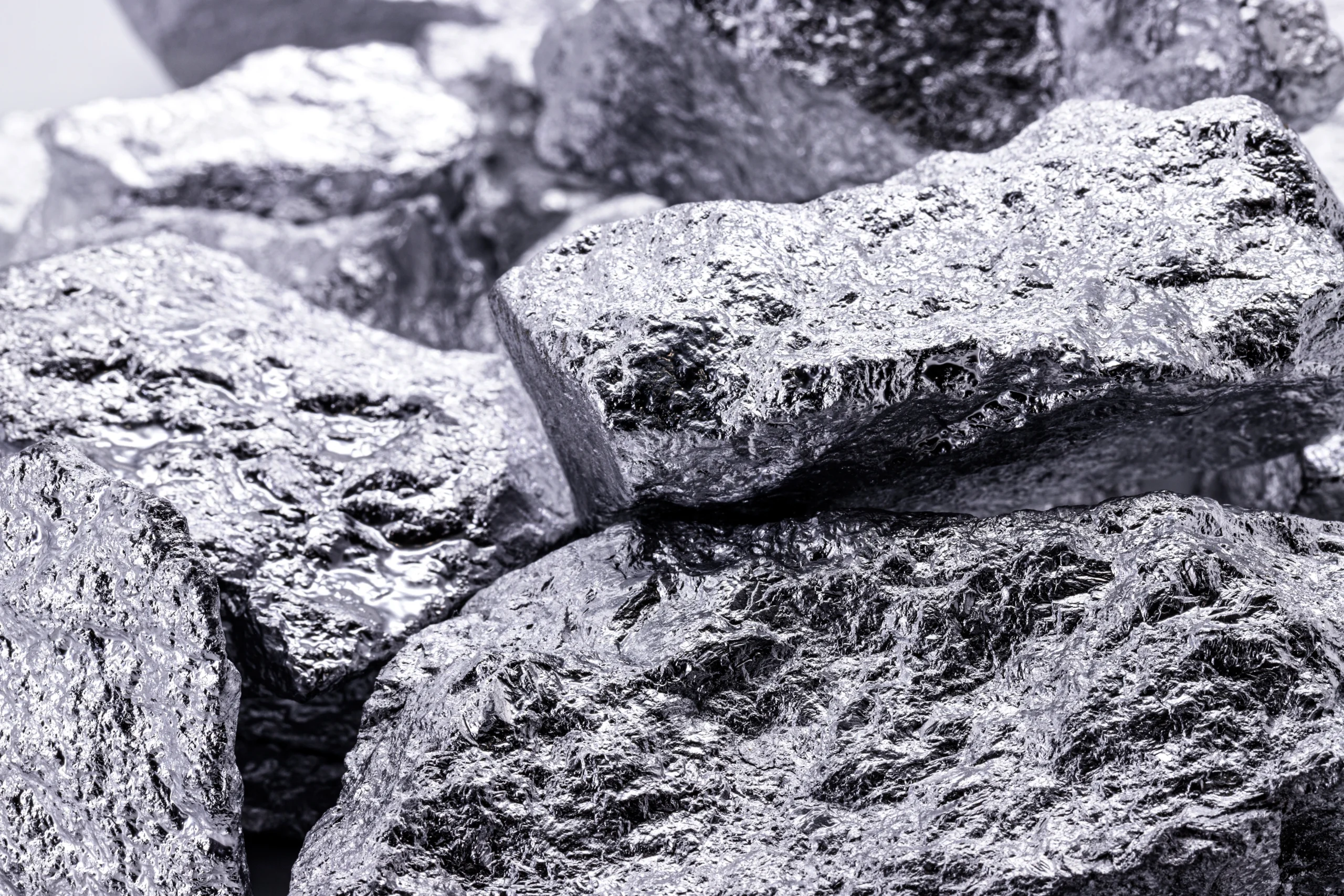
According to USGS, platinum-group metals remain important industrial commodities. That matters here because it shows these materials still have real use in modern manufacturing, not just legacy value from older vehicle designs.
Why are precious metals still used?
They are still used because they are highly effective catalysts for reducing harmful emissions. Few alternatives match their proven balance of efficiency, durability, and real-world performance.
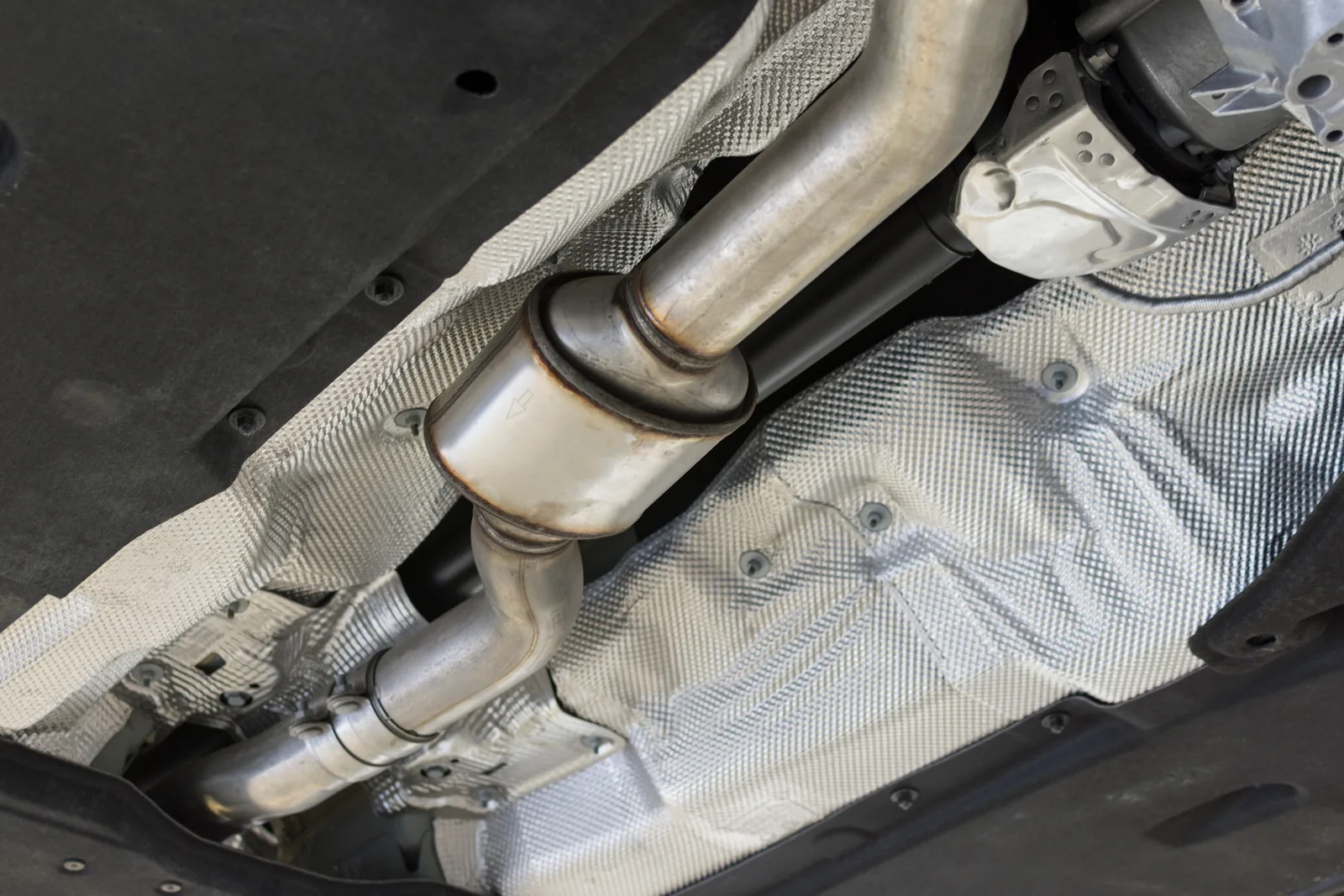
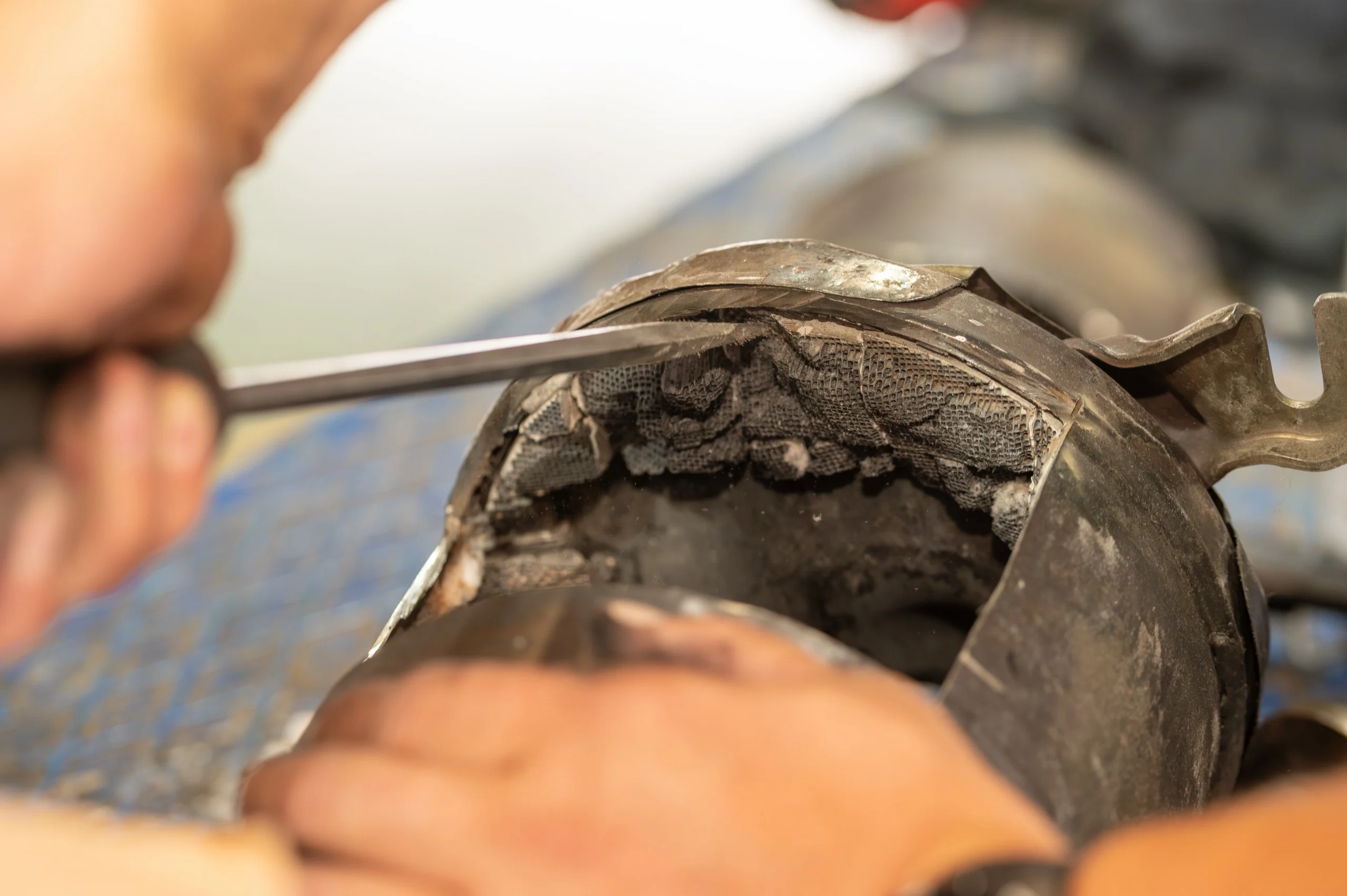
A catalytic converter plays a crucial role in cutting pollution by converting harmful gases into less harmful substances. The key active materials are usually platinum, palladium, and rhodium. These metals help drive the chemical reactions that reduce carbon monoxide, hydrocarbons, and nitrogen oxides in exhaust.
That chemistry is why precious metals have stayed in the design for so long. They work fast. They work in harsh conditions. They also have a long record in mass-market vehicles, which matters when manufacturers need reliable compliance at scale.
If you want a simple breakdown of where that value comes from, this guide to the precious metals inside a catalytic converter explains why even used units remain valuable for recovery and refining.
Which metals matter most?
Palladium, platinum, and rhodium matter most because each one supports a different part of the emissions-control job. Together, they form the core of the catalyst system used in many converters.
Each metal brings a slightly different strength to the design. That is one reason full replacement is hard. When one metal becomes less attractive for supply or engineering reasons, designers may try to rebalance the mix rather than remove the whole group.
This is also why the phrase “precious metals are going away” can be misleading. In many cases, the actual shift is more subtle. A manufacturer may reduce one metal, substitute part of another, or redesign the coating and substrate to achieve similar results with less total loading.
What is pushing the search for alternatives?
The push comes from supply risk, environmental concerns linked to mining, and the need to control manufacturing costs without losing emissions performance. In short, the industry wants less exposure and more flexibility.
The old article focused heavily on cost, and that is only part of the story. Supply concentration matters too. When a critical input is scarce or hard to source, manufacturers start looking for ways to reduce dependence on it. They do not need a perfect replacement to act. Even a modest reduction can improve resilience.
Environmental pressure also plays a role. Mining and refining are resource-intensive. That does not mean the metals stop being useful. It means recovery becomes more attractive, especially when large volumes of spent converters already contain valuable material that can re-enter the supply chain.
Market uncertainty is another factor. As the World Bank notes in its commodity markets outlook, raw-material markets can shift with trade and supply conditions. For automakers, that kind of instability rewards designs that use fewer hard-to-source inputs.
- Less dependence on scarce material lowers risk.
- Lower loading can improve manufacturing flexibility.
- Recovered metal can reduce pressure on new mining.
- Stable chemistry still matters more than hype.
Can catalytic converters work with less precious metal?
Yes, using less precious metal is realistic and already aligns with the industry direction. Using none at all on a broad scale is much harder and remains a longer-term challenge.
This is the key update to the original article. The most practical path is not an abrupt leap to fully metal-free catalysts. It is step-by-step optimization. Engineers can refine washcoat formulas, improve distribution of active material, and tune the balance between metals to get more work from less input.
That approach fits real manufacturing better than all-or-nothing thinking. It also gives automakers room to respond to supply pressure while keeping emissions systems reliable.
Research into alternative materials still matters, and the earlier article was right to highlight that innovation is active. However, there is a big difference between promising lab work and wide commercial adoption. A material can look good in testing and still face durability, scaling, or compliance issues later on.
So if you are asking whether the typical catalytic converter of the next few years will be completely free of precious metals, the safer answer is no. If you are asking whether it may use less, the answer is yes.
What does the transition look like in practice?
In practice, the transition looks gradual, mixed, and design-specific. Some systems use lower metal loadings, some rebalance the metal mix, and some continue to rely heavily on established chemistry.
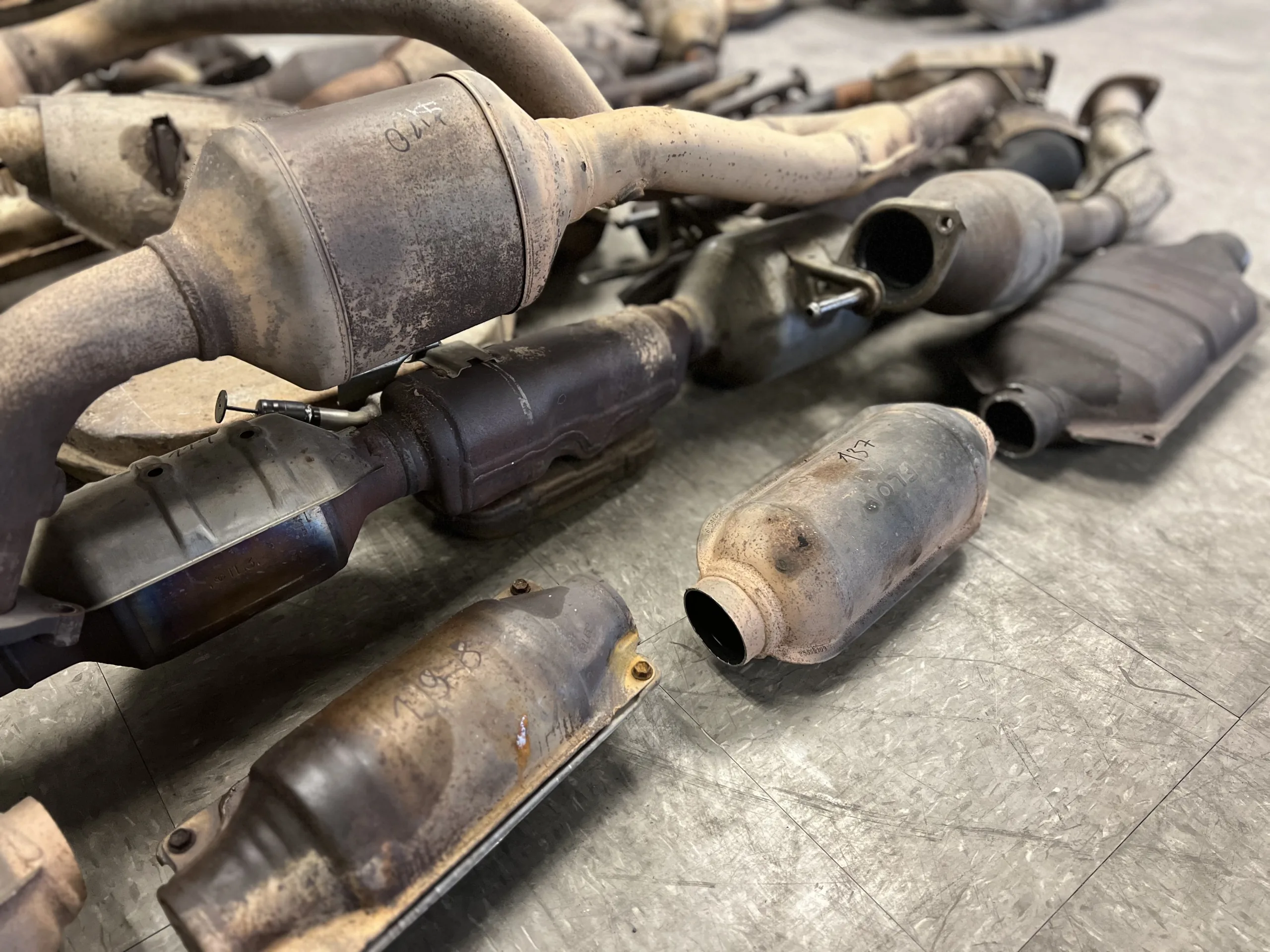
That means the market will likely remain uneven for a while. Older units, newer units, gasoline systems, and other converter types may not move in the same direction at the same speed. For recyclers and parts handlers, this matters because recovery value depends on what is actually inside the unit, not on broad headlines about the industry.
It also means businesses should be careful with simple assumptions. “Newer means less metal” is not always enough. “Alternative materials are taking over” is also too broad. The real picture depends on the design and the application.
How do the main paths compare?
The three main paths are continued use of traditional precious-metal systems, lower-loading designs, and experimental alternatives. Right now, lower-loading designs are the most practical middle ground.
The table below shows how these paths differ in real-world terms.
| Path | What it means | Main advantage | Main limit | Effect on recycling |
|---|---|---|---|---|
| Traditional precious-metal catalyst | Uses established mixes of platinum, palladium, and rhodium | Proven emissions performance | Higher exposure to supply and sourcing pressure | Strong recovery case for spent units |
| Lower-loading catalyst | Uses smaller amounts of precious metals through design optimization | Reduces dependence without changing the whole system | Needs careful engineering to maintain durability | Recovery stays important, though metal content may vary more |
| Alternative catalyst research | Tests non-traditional materials or hybrid approaches | Could lower long-term dependence on precious metals | Commercial scale and long-term performance remain the challenge | Recycling remains relevant during a long transition period |
Does this make recycling less important?
No. If anything, the transition makes recycling more strategic because recovered material helps the industry manage supply risk while reducing waste.
This is one of the strongest points worth preserving from the original piece. Even as catalyst designs evolve, catalytic converter recycling remains one of the most practical tools available right now. It helps recover useful material from spent units. It also reduces the need to rely only on newly mined inputs.
That matters for both environmental and operational reasons. When a unit reaches end of life, the metals inside it do not lose their importance just because new technology is being developed elsewhere. Recovery still creates value. It also supports a more circular supply chain.
For a broader view, this look at why catalytic converter recycling still matters as hybrids rise explains why recovery remains relevant even as vehicle technology changes.
So no, a shift toward lower metal use does not make recycling obsolete. It simply changes what smart recyclers, dismantlers, and buyers need to watch. Material identification, testing, and transparent recovery become even more important when converter chemistry grows more varied.
What should businesses watch next?
Businesses should watch material mix, technology adoption speed, and the quality of recovery processes. The biggest mistake is assuming the market will move in one straight line.
If you handle used converters, plan for a mixed market. Some units will still contain meaningful levels of traditional catalyst metals. Others may reflect newer design choices that change recovery patterns. That makes accurate identification and sorting more important than broad market talk.
- Track chemistry changes. Small design shifts can affect recovery expectations.
- Avoid blanket assumptions. Converter value depends on the specific unit.
- Prioritize reliable recycling channels. Process quality matters when materials vary.
- Follow supply and manufacturing signals. Industry changes tend to be gradual, not sudden.
- Think long term. Recovery remains useful even in a lower-loading future.
The larger point is simple. The industry is not choosing between old chemistry and a fully metal-free future in one move. It is managing a long transition. Businesses that stay flexible will make better decisions than those that react to headlines alone.
Summary
Precious metals are not disappearing from catalytic converters anytime soon. They still offer proven emissions-control performance, and that makes them hard to replace at scale. What is changing is the amount used, the way systems are designed, and the importance of recovering material from spent units. For manufacturers, the practical goal is lower dependence. For recyclers and businesses handling used units, the priority is smarter identification and steady recovery. In other words, the future is not metal-free yet. It is leaner, more selective, and more circular.