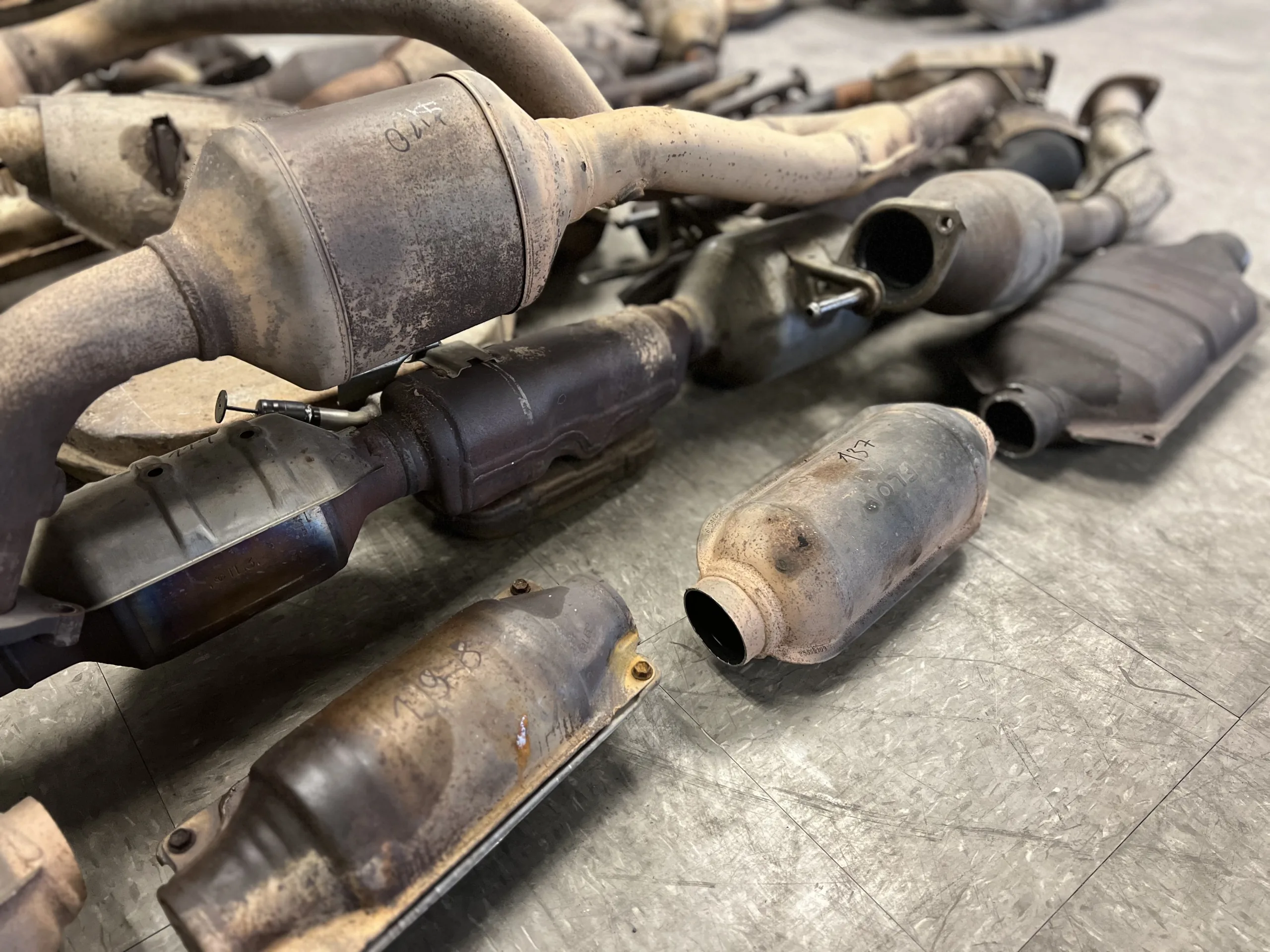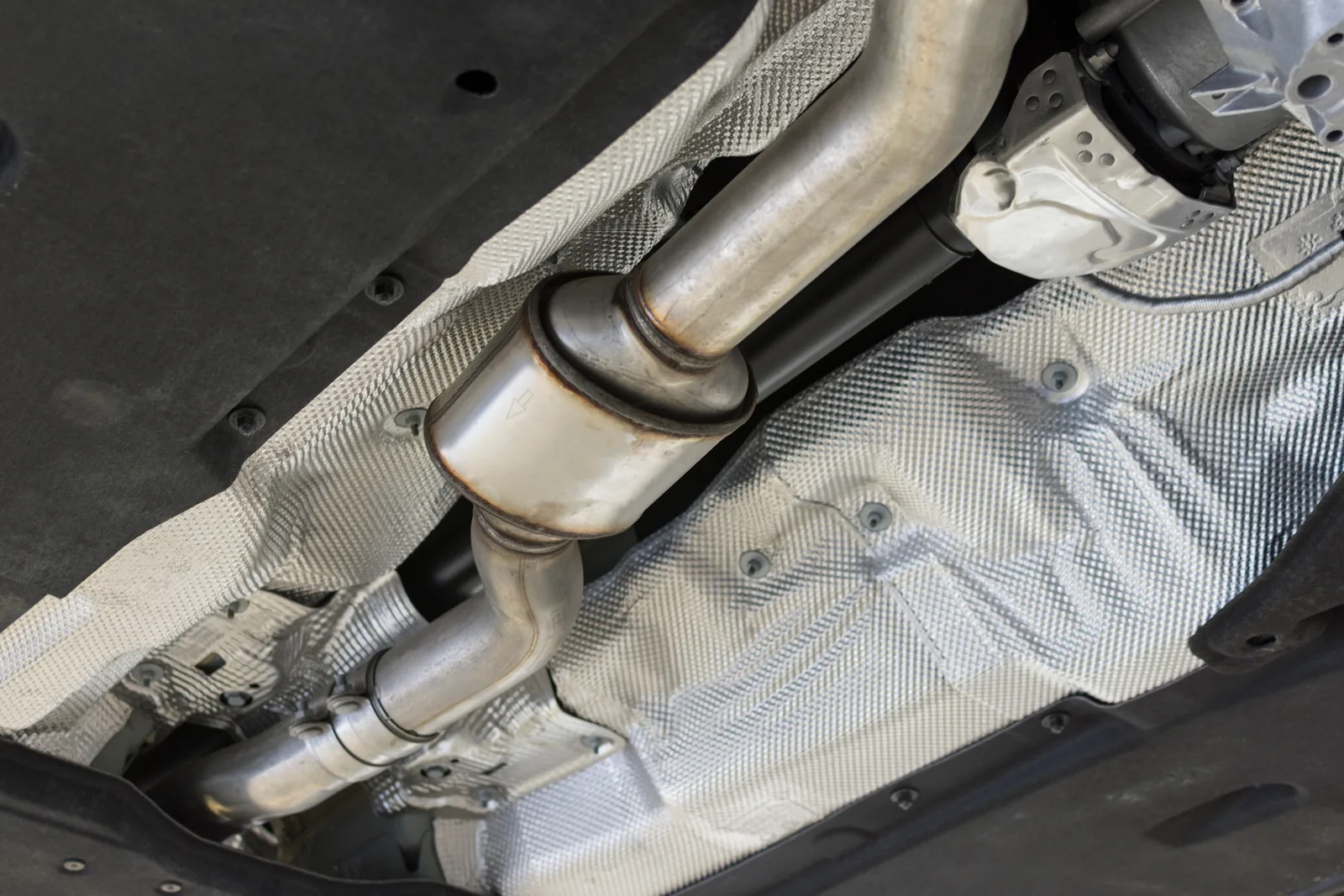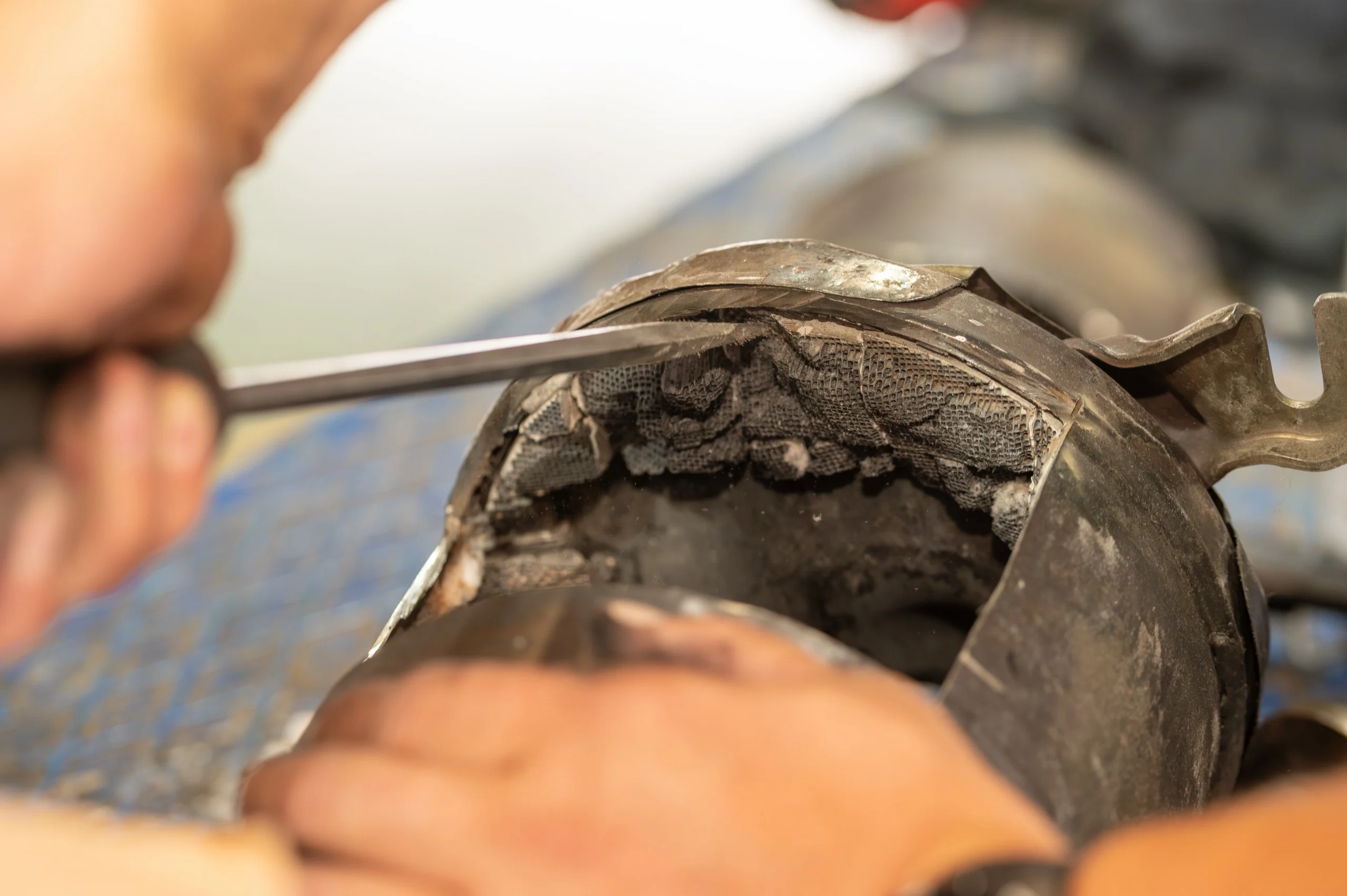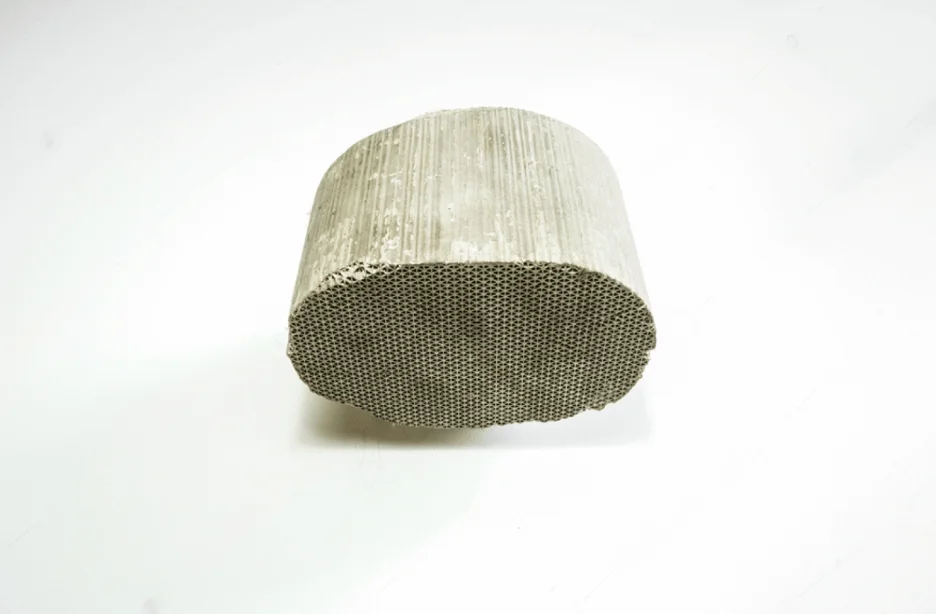

Catalytic converters play a vital role in reducing harmful emissions from vehicles, making our air cleaner and contributing to environmental sustainability. However, like any other component, they have a finite lifespan and eventually need to be replaced. The recycling of catalytic converters is not just beneficial but essential. Here’s why catalytic converter recycling is crucial and how it impacts the environment, economy, and resource conservation.
Overview: This guide explains why recycling a spent catalytic converter matters, what makes the metals inside worth recovering, how the recycling process runs from collection to settlement, and how to compare recyclers before handing over material – written for vehicle owners, workshops and businesses.
Key Takeaways
- Spent converters are not ordinary scrap – the platinum, palladium and rhodium inside stay recoverable after the unit stops working.
- Concentrations beat mined ore: spent automotive catalysts carry far higher platinum group metal content than natural ores, where grades run below 10 grams per tonne.
- Recycling offsets replacement: the value recovered from the old unit can cover part of the cost of the new one.
- Recyclers differ: assay method, transparency, environmental standards, logistics and settlement terms all change what a seller receives.
- The seller’s job is simple – keep the unit intact, hold proof of ownership, and use a specialist rather than a general scrap buyer.
- Demand is not going away: hybrids still need emission control, so units keep flowing into recovery as the fleet electrifies.
The Value of Catalytic Converters
Catalytic converters contain precious metals like platinum, palladium, and rhodium. These metals are critical in facilitating the chemical reactions that convert harmful gases into less harmful emissions. Due to their rarity and high demand, the catalytic converter price can be quite significant. This intrinsic value makes catalytic converter recycling economically viable and environmentally necessary.
Why Are Scrap Catalytic Converters Valuable?
Scrap catalytic converters are valuable because the precious metals inside them stay recoverable long after the unit stops working on the vehicle. A peer-reviewed review in Cleaner Engineering and Technology notes that spent automotive catalysts carry considerably higher concentrations of platinum group metals than natural ores, where grades typically run below 10 grams per tonne, and that spent units already supply more than 57 percent of Europe’s platinum group metal needs. That density is exactly why catalyst recycling is treated as an industrial recovery route rather than ordinary scrap handling.
Environmental Impact
- Reduction of Mining: The extraction of precious metals is an environmentally intensive process, involving significant land disruption, water usage, and energy consumption. By recycling catalytic converters, we reduce the need for new mining operations, thereby minimizing the environmental footprint.
- Waste Reduction: Discarded catalytic converters contribute to landfill waste. Recycling these components helps decrease the amount of waste, promoting a more sustainable waste management system.
- Lower Emissions: Manufacturing new catalytic converters from virgin materials releases greenhouse gases. Recycling existing units can significantly cut down these emissions, contributing to a lower carbon footprint.
Where the World’s Platinum Group Metals Come From
The scale of the resource question explains why this matters. According to the U.S. Geological Survey’s Mineral Commodity Summaries 2026, the leading use of platinum group metals worldwide is in catalytic converters, and the largest reserves sit in a small number of regions. Recovering metal from units already in circulation eases pressure on those concentrated supply sources.
Economic Benefits
- Cost Savings: For vehicle owners and manufacturers, recycling catalytic converters can offset the cost of new units. Given the high catalytic converter price, this can be a substantial saving.
- Resource Efficiency: Recycling ensures the precious metals within catalytic converters are re-used, making the most efficient use of these limited resources.
- Job Creation: The recycling industry, including catalytic converter recycling, generates employment opportunities in collection, processing, and refining sectors, boosting local economies.
Three Reasons to Recycle a Catalytic Converter
Environmental
- Reduction of mining: less land disruption, water use and energy consumption
- Waste reduction: units stay out of landfill
- Lower emissions: recycling avoids the greenhouse gases of making new units from virgin materials
Economic
- Cost savings: recovered value offsets the cost of the replacement unit
- Competitive pricing: recyclers pay for used converters rather than charging for disposal
- Job creation: collection, processing and refining all support local economies
Resource conservation
- Higher concentration: spent catalysts carry far more platinum group metal than mined ore
- Metals return to industry: recovered platinum, palladium and rhodium are reused
- Less pressure on supply: the largest reserves sit in a small number of regions
The same spent unit can be waste or a recovered resource – the difference is where it goes after removal.
Catalytic Converter Replacement Cost and What Recycling Recovers
The Role of Catalytic Converter Recyclers
Catalytic converter recyclers are specialized entities that manage the process of recovering valuable metals from used converters. They play a pivotal role in ensuring the efficient and environmentally friendly processing of these components.
- Expertise: Professional recyclers like Recohub have the expertise and technology to extract precious metals safely and effectively, ensuring maximum recovery and minimal waste.
- Sustainability: By choosing a certified catalytic converter recycler, you contribute to sustainable practices that prioritize environmental health and resource conservation.
- Economic Incentives: Recyclers often offer competitive pricing for used catalytic converters, providing an incentive for individuals and businesses to recycle rather than dispose of these valuable components.
How to Compare Catalytic Converter Recycling Companies
Not all catalytic converter recycling companies work the same way, and the differences show up directly in what a seller receives. Before committing material, ask how each catalytic converter recycler identifies and assays units, how transparent the valuation is, which environmental and safety standards they hold, and how logistics and settlement are handled. Our guide to the questions that help you discover the right recycling partner sets out the full checklist, and it is worth working through before comparing offers on price alone. Misconceptions cost sellers money too, which is why it also helps to read our article debunking common myths about catalytic converter recycling.
How to Recycle Catalytic Converters Step by Step
The question how to recycle catalytic converters has a practical answer, and the seller’s part of it is straightforward. Keep the unit intact, hold the paperwork that shows lawful ownership, and hand it to a specialist rather than a general scrap buyer. From there the recycler takes over: consulting, cargo delivery, decanning and grinding, sampling, assaying by XRF and ICP methods, and finally settlement based on measured precious metal content. Our guide to Recohub’s catalytic converter recycling services walks through each of those stages in detail.
The Same Process Under Different Names
Searches such as cat converter recycling, catalytic recycling, recycling catalytic converters, catalytic converters recycling and car catalyst recycling all describe this same chain. The terminology varies; the process does not. What changes the outcome for the seller is whether the unit is assayed properly and priced against real market indices.
Why Choose Recohub for Catalytic Converter Recycling?
At Recohub, we specialize in catalytic converter recycling and are committed to offering top-notch services that benefit both our clients and the environment.
- Competitive Pricing: We provide excellent value for your used catalytic converters, reflecting the current catalytic converter price trends.
- Expert Service: Our experienced team ensures that the recycling process is efficient and environmentally responsible.
- Sustainability Commitment: By recycling with Recohub, you help reduce the demand for newly mined metals, supporting a greener planet.
Will Recycling Still Matter as Vehicles Electrify?
Yes. The shift to electric vehicles is gradual, and hybrids – which still run internal combustion engines and still need emission control – are set to make up a large share of the fleet for years to come. That keeps a steady stream of units flowing into recovery. Our article on the future of catalytic converter recycling looks at how hybrid adoption and tightening emission regulations sustain demand for recovered platinum, palladium and rhodium.
Conclusion
Recycling catalytic converters is not just an option; it is a necessity for a sustainable future. The environmental benefits, economic incentives, and resource conservation make catalytic converter recycling an essential practice. By partnering with a reputable catalytic converter recycler like Recohub, you can ensure that your used converters are processed responsibly and efficiently, contributing to a healthier environment and a more sustainable economy.