
Key Takeaways
- It is true that catalytic converters are easily recycled because of the rare metals they contain – platinum, palladium, and rhodium give a spent unit real, recoverable value.
- The catalytic converter scrap price varies by make, model, and condition, so each unit is assessed individually rather than at a flat rate.
- Recycling is quick and straightforward with a specialist – not the hassle many assume.
- Both individuals and businesses profit; you do not need a fleet to benefit.
- Every recycled converter cuts demand for newly mined metals, so even one unit has environmental value.
There are plenty of misconceptions surrounding catalytic converter recycling, which often discourage people from getting involved. Whether you manage a fleet or just have an old catalytic converter, understanding the facts can benefit both the environment and your wallet.
Myth 1: Catalytic Converters Have Little to No Value
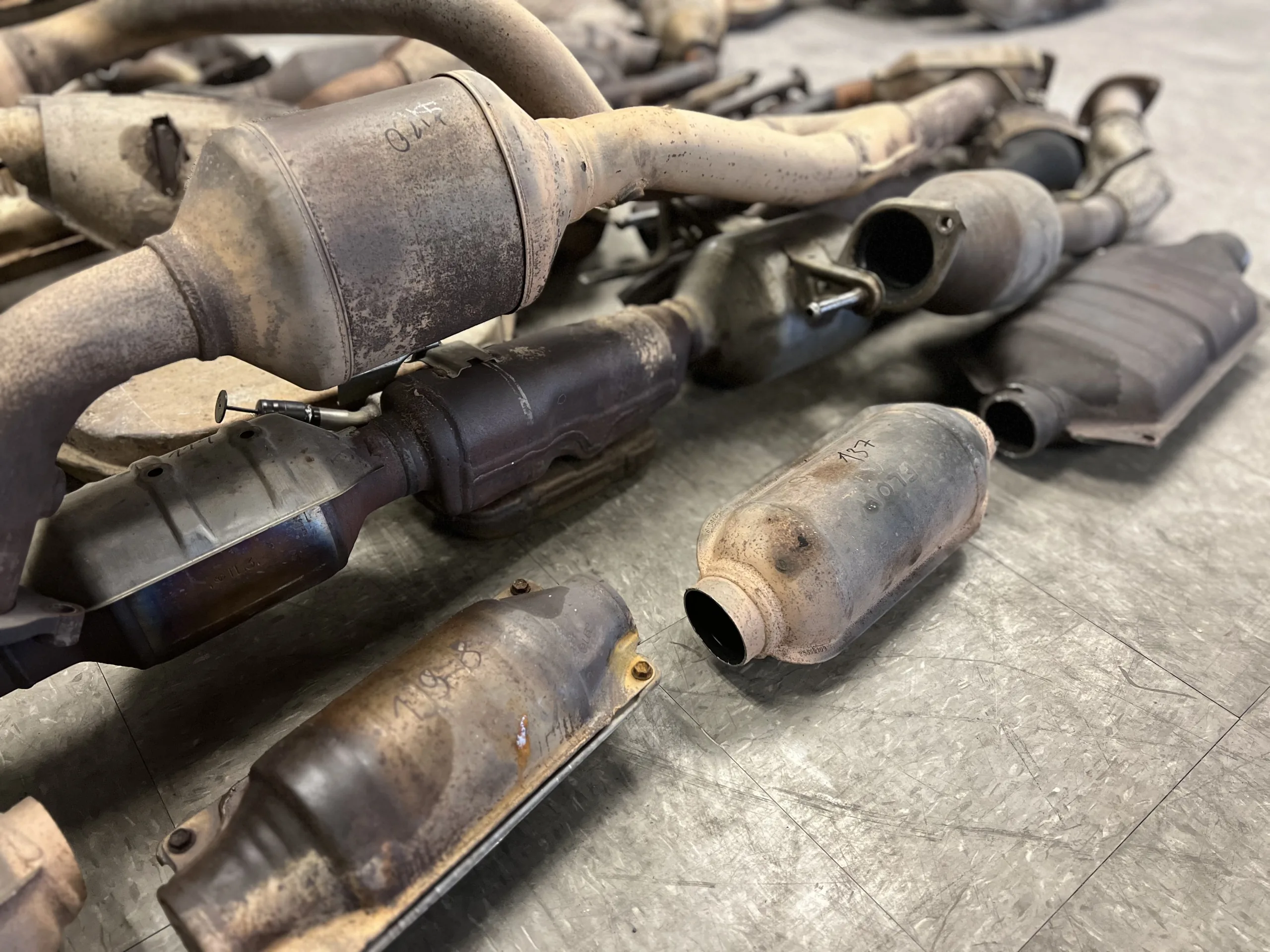
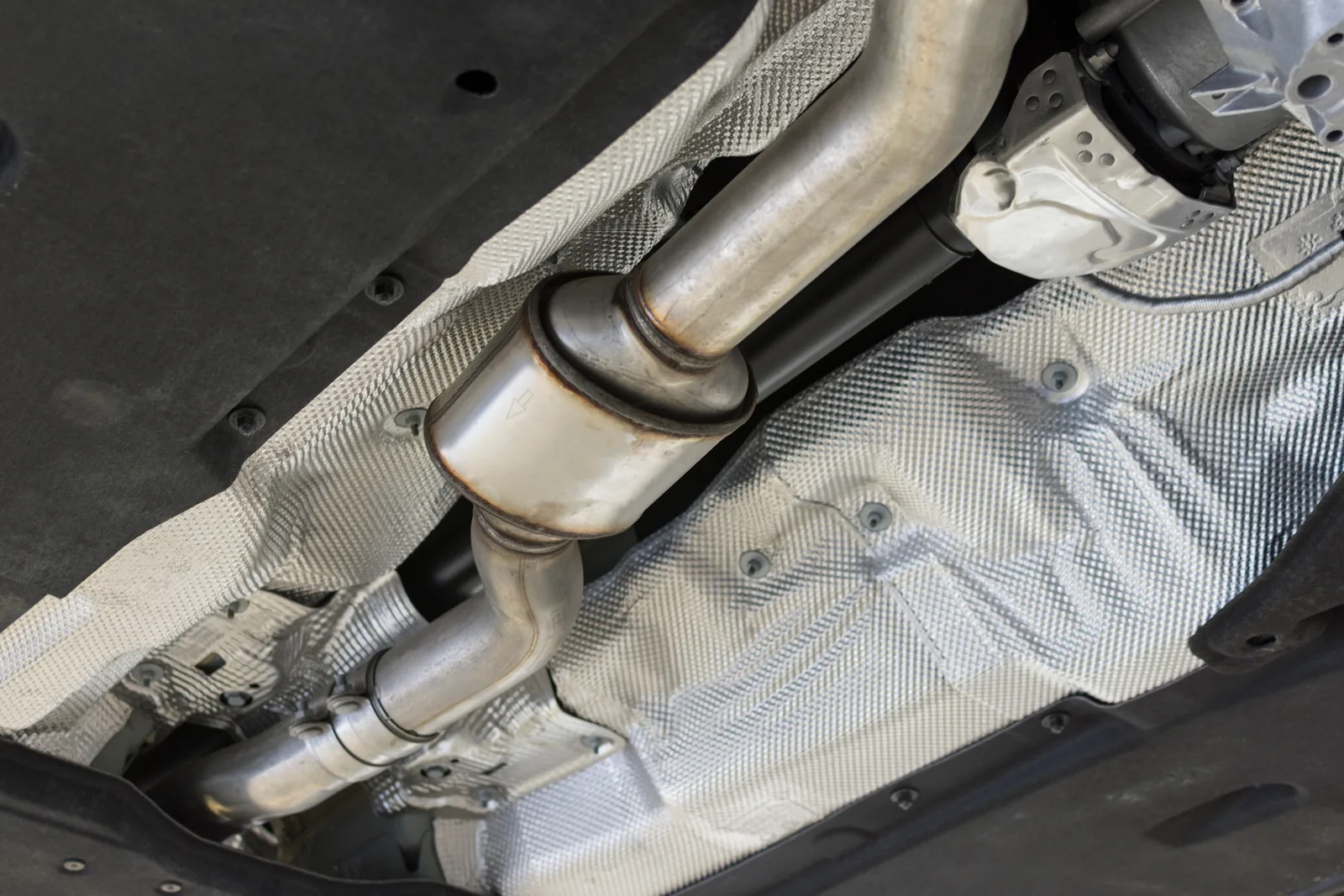
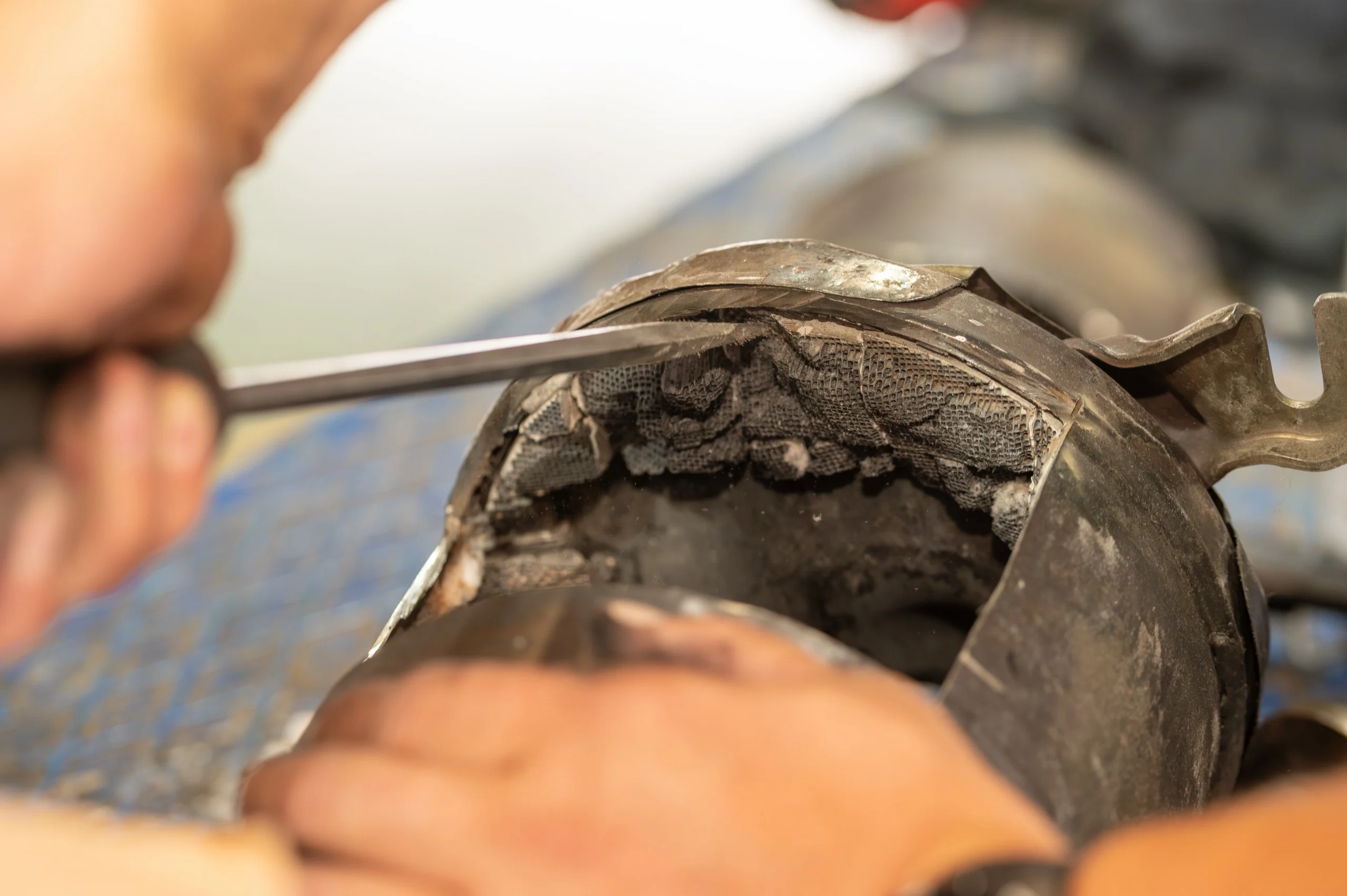
Many believe that once catalytic converters are no longer functioning, they lose their value. However, these devices contain precious metals like platinum, palladium, and rhodium. These metals are highly valuable, and recycling them can offer a significant return. Selling to a reputable catalytic converter recycler like Recohub ensures you get a fair catalytic converter price for your old unit. In fact, a review published on ScienceDirect notes that spent converters can hold precious metals at higher concentrations than natural ore – clear evidence they retain real value.
Myth 2: Recycling Is Too Complicated and Time-Consuming
Some people assume that catalytic converter recycling is a hassle. The truth is, companies like Recohub have simplified the process for both businesses and individuals. With efficient systems in place and top-notch customer service, recycling your catalytic converter is quick and straightforward. You can see how the whole process works on Recohub’s recycling services page.
Myth 3: All Catalytic Converters Are the Same
There’s a common belief that every catalytic converter has the same value. In reality, the catalytic converter scrap price varies based on factors like make, model, and condition. Recohub’s experienced team evaluates each unit carefully to ensure you receive the best price possible. Because these values track global metals markets, the price of any given unit moves with platinum, palladium, and rhodium demand – the London Bullion Market Association benchmark prices for platinum and palladium are set twice every business day, which is why no recycler can quote a fixed rate that holds for long.
Myth 4: Only Large Companies Benefit from Recycling
It’s easy to think that catalytic converter recycling is only worthwhile for big businesses, but that’s not true. Whether you have one or several converters, you can still make a decent profit by recycling them. Recohub works with individuals and companies alike, ensuring everyone can benefit financially from recycling their converters. If you are choosing who to work with, these questions to discover the right recycling partner help you compare buyers before you commit.
Myth 5: Recycling Has Little Environmental Impact
Another misconception is that recycling just one catalytic converter won’t make much of a difference. The truth is, every recycled converter reduces the need to mine for new metals, conserving natural resources and minimizing environmental damage. Your effort contributes to a much larger environmental conservation effort. For more on why this matters, see the importance of recycling catalytic converters and the future of catalytic converter recycling as hybrid demand grows. Debunking these myths shows just how valuable and easy catalytic converter recycling can be. By understanding the facts, both businesses and individuals can make informed decisions that benefit them financially while also supporting the environment. Ready to get the best catalytic converter scrap price? Contact Recohub, your trusted partner in catalytic converter recycling. We make the process simple and rewarding for everyone. Reach out today to get started.
FAQ
Catalytic converters are easily recycled because of the rare metals they contain - true or false?
True. Catalytic converters are readily recyclable precisely because they contain rare precious metals – platinum, palladium, and rhodium – which can be recovered and reused. That recoverable metal is what gives a spent unit its value. Recycling does require specialist assaying and refining, but for the seller the process is simple: a recycler measures the metal content and pays accordingly.
How much is a catalytic converter worth as scrap?
It depends on the precious-metal content, which varies by make, model, and condition, so there is no single flat figure. Two similar-looking units can be worth very different amounts. The only accurate way to know is to have the unit assessed, since the catalytic converter scrap price is based on measured metal content and current market prices.
Is it worth recycling just one catalytic converter?
Yes. You do not need a fleet to benefit – individuals with a single unit can still earn a fair return. A reputable recycler works with private sellers and businesses alike, so recycling one converter is both worthwhile financially and better for the environment than discarding it.
How is the catalytic converter scrap price decided?
The price is set by the amount of platinum, palladium, and rhodium the unit contains, valued against current metal-market prices, then adjusted for condition. A specialist recycler measures the metal content rather than guessing, which is why an evaluated offer reflects your converter’s real value.
Does recycling a catalytic converter really help the environment?
Yes. Every recycled converter reduces the need to mine new precious metals, conserving natural resources and lowering the environmental footprint of extraction. Even a single unit contributes, and at scale the impact is significant – recycling keeps valuable metals in circulation instead of in landfill.