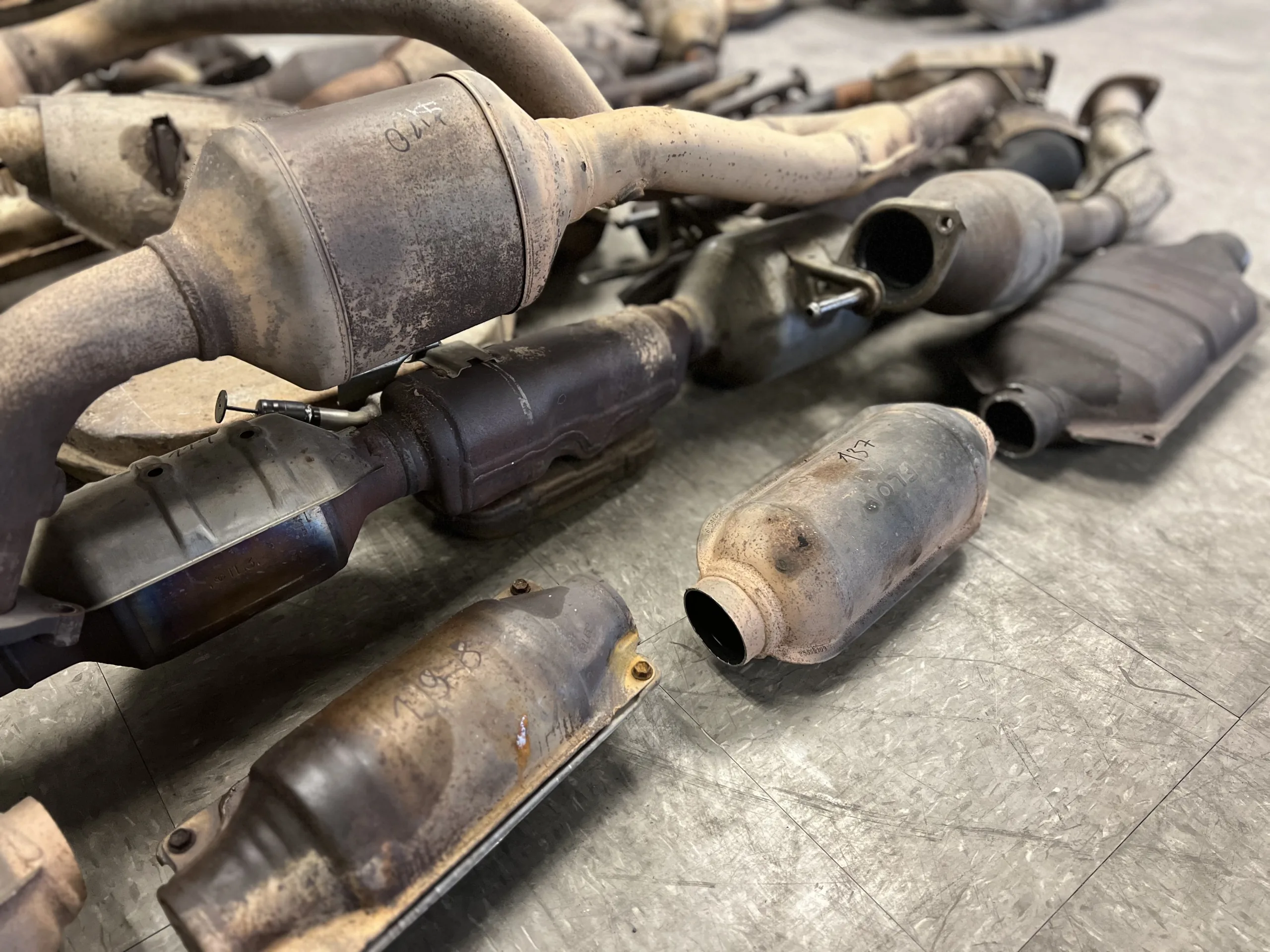
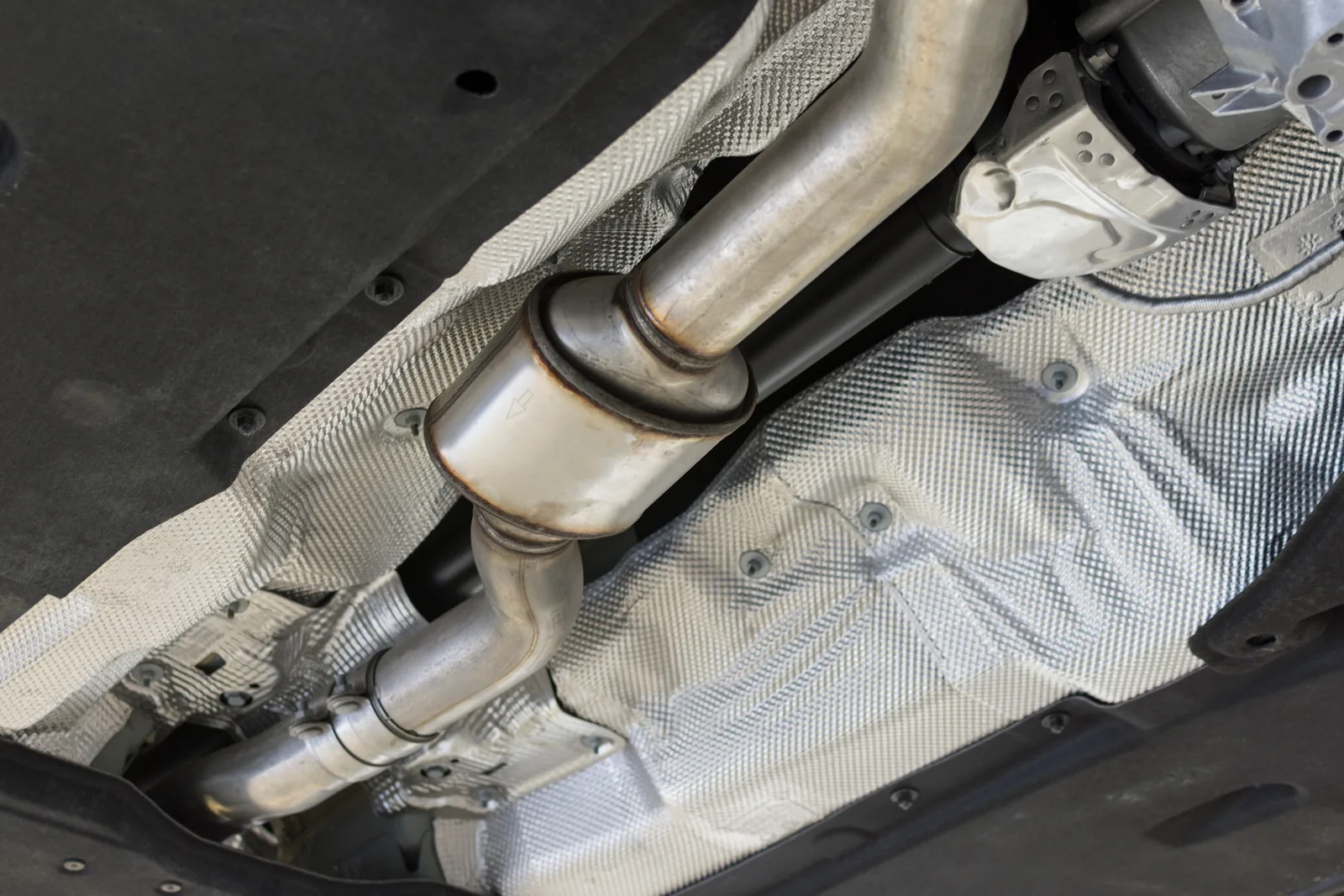
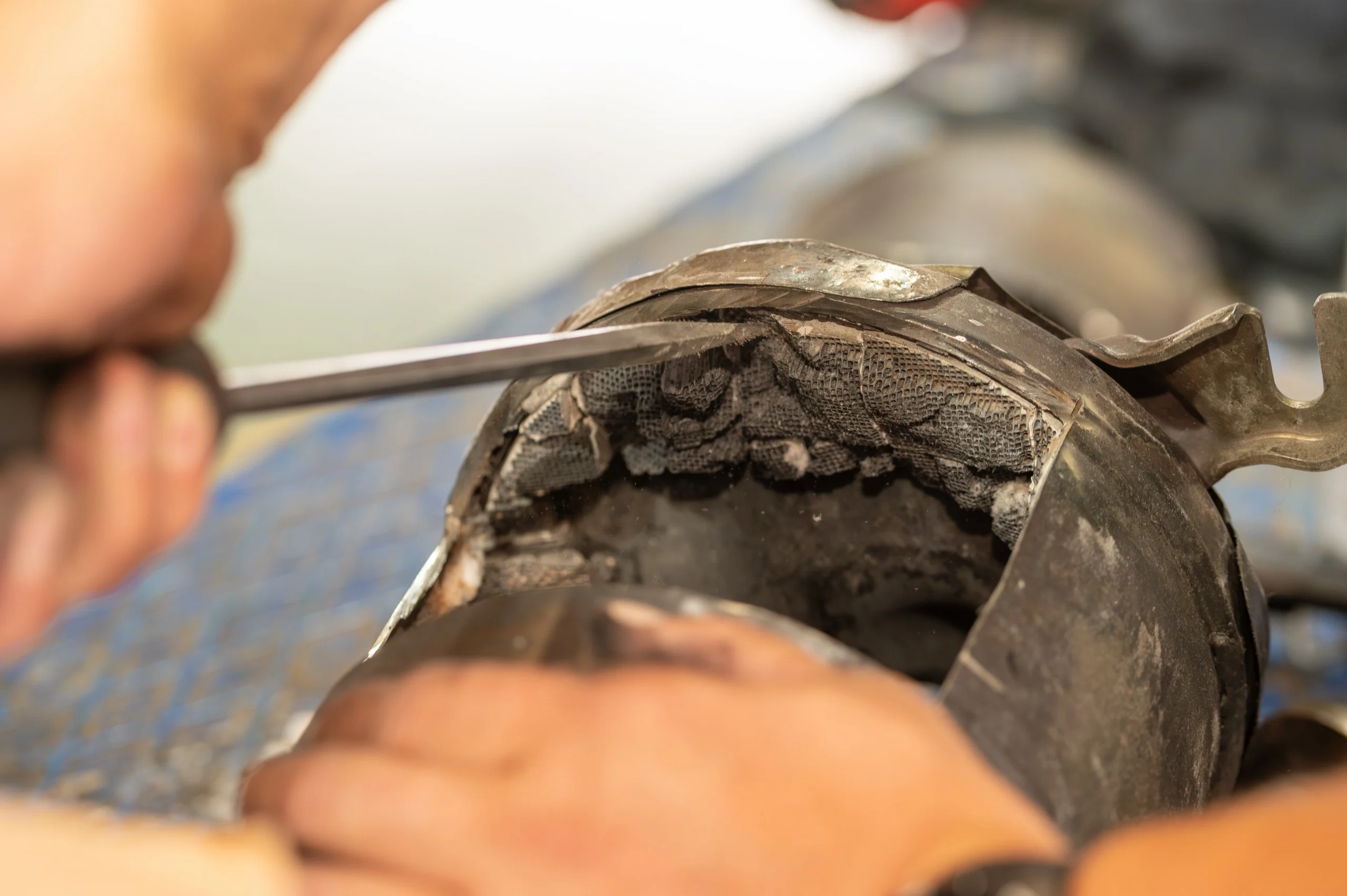
Introduction: The demand for platinum, palladium, and rhodium still puts pressure on global supply chains. That is why the debate between mining and recycling matters so much. A used catalytic converter is not just scrap at the end of a vehicle’s life. It is a recoverable source of valuable metal, and that makes sustainable scrap recycling one of the clearest ways to reduce waste, keep materials in use, and lower dependence on fresh extraction.
Mining starts with new extraction. Recycling starts with material already in use.
Used vehicle emissions parts can contain metals worth recovering and refining.
Recycling supports resource efficiency and reduces avoidable waste.
Transparent grading and documentation matter as much as collection.
Better recovery systems strengthen supply resilience over time.
Recycling will not replace mining fully, but it can reduce pressure on it.
Why compare recycling and mining?
We compare them because both feed the same industrial need, but they do it in very different ways. Mining pulls new material from the ground, while recycling recovers metal that is already above ground and still useful.
The original version of this article made the right core point: the choice is not only economic. It is also environmental and strategic. When a product already contains recoverable metal, throwing it away wastes work that has already been done across extraction, processing, manufacturing, transport, and installation.
This is especially clear in vehicle emissions parts. Recohub’s guide to valuable metals found inside used converters explains why even scrap units can remain important for recycling and refining. That matters because a smarter supply chain does not begin at the mine face every time. In many cases, it begins with better collection, sorting, testing, and recovery.
Why is recycling metals better than mining and extracting new metals?
If you are asking why is recycling metals better than mining and extracting new metals, the short answer is simple: recycling keeps usable material in circulation and avoids part of the burden that comes with fresh extraction. It turns existing products into a secondary source of supply instead of treating them as waste.
According to US EPA, recycling helps conserve natural resources and reduces the amount of material sent to disposal. That point alone changes how we should think about end-of-life metal-bearing parts. A discarded industrial product is not always the end of the story. Often, it is the start of a new one.
There is another benefit as well. Recovery adds flexibility. Supply chains that rely only on virgin extraction are more exposed when permits tighten, transport slows, or ore grades become harder to work with. By contrast, stronger collection networks give industry a second lane. That is why improved recovery systems are serious alternatives to mining for part of the metal flow.
What are the three benefits of recycling?
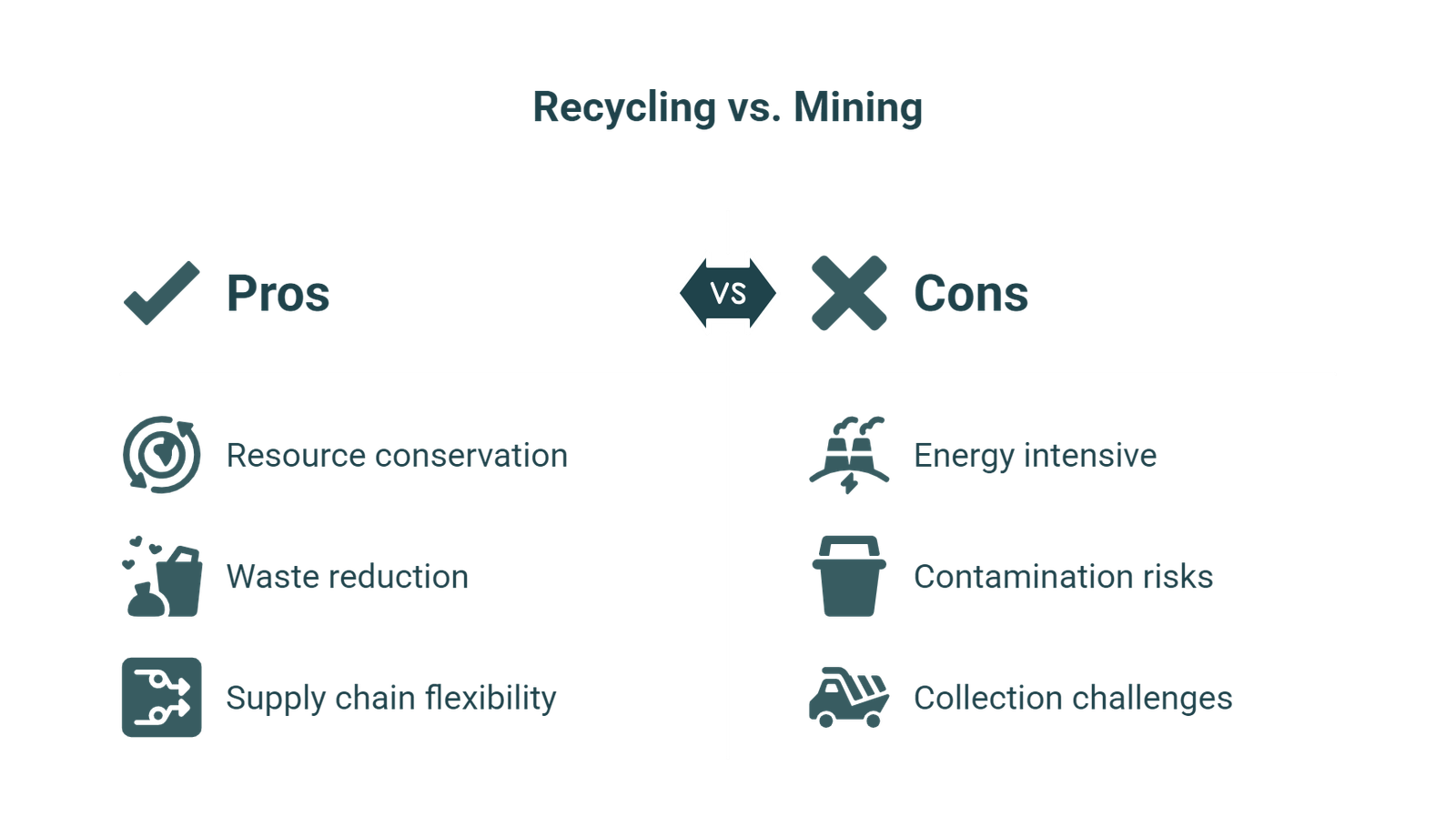
The three benefits of recycling are resource conservation, waste reduction, and better long-term supply resilience. Those three gains show up again and again when companies compare discarded material with virgin extraction.
First, recycling conserves resources because it uses metal that has already been mined and processed once. Second, it reduces waste because useful material is diverted from disposal and sent back into productive use. Third, it improves resilience because manufacturers and recyclers gain another stream of recoverable input.
These benefits do not mean recycling is effortless. Collection, sorting, contamination control, and refining all take work. However, that work usually happens within an existing materials loop, which is very different from opening a new extraction chain from the ground up.
What does circular use mean?
Circular use means keeping materials in use for as long as possible instead of using them once and discarding them. In practice, it shifts attention from waste handling to material recovery and reuse.
A practical “circular economy” definition is an economic approach that aims to keep products, materials, and resources in circulation while reducing waste. The glossary at EUR-Lex describes the circular economy in this same direction: value should stay in the system longer, and waste should be reduced as far as possible.
For metal-bearing auto parts, that idea is easy to picture. A unit is manufactured, used on the road, removed at end of life, collected, assessed, and refined. The recovered metals can then return to manufacturing instead of being lost. This is one reason recycling makes more sense than the old take-make-dispose model.
Where do end-of-life vehicle parts fit?
They fit as practical urban resources. When collected correctly, they become feedstock for refining rather than leftover waste.
This is why people sometimes use terms like recycle mining, mining recycling, and scrap mining. The wording is informal, but the idea is useful. We already have a large stock of metal around us in products, components, and industrial scrap. Recovering that stock does not erase the need for mining, but it does change how much new extraction the system must rely on.
What makes converters important here?
They matter because these parts can contain platinum group metals that remain valuable after the vehicle has finished using them. In other words, end-of-life units can still serve as a source of recoverable material.
A vehicle emissions unit works in harsh conditions, yet the metal inside it does not lose all relevance when the part reaches the end of service. That is the key sustainability point. Instead of viewing the item as worthless, a better recovery system treats it as input for another industrial cycle.
This is where industry practice matters. Good recycling depends on identification, separation, safe handling, and proper downstream refining. If those steps are weak, a lot of potential value gets lost. If they are strong, more material comes back into use and less pressure falls on new extraction.
How do mining and recycling differ?
Mining and recycling both supply metal, but they start from different places and create different operational impacts. Mining begins with extraction from the earth, while recycling begins with products already in circulation.
How do the two options compare?
Recycling usually offers a shorter path from discarded product to usable metal because the material has already passed through an earlier extraction and manufacturing cycle. Mining, in contrast, starts at the beginning of that chain.
Factor
Mining
Recycling end-of-life metal-bearing parts
Starting point
Virgin ore and raw extraction
Products and scrap already in use
Main goal
Create primary metal supply
Recover secondary metal supply
Land impact
Requires new extraction activity
Focuses on collection and processing
Waste profile
Creates extraction and processing waste
Diverts useful material from disposal
Supply role
Feeds new material into the market
Keeps existing material in circulation
Best strategic use
Base supply where primary extraction is necessary
Pressure relief for resource efficiency and circular supply
The table shows why recycling is often the smarter first move when recoverable material already exists. It does not claim that primary extraction disappears. It shows that better recovery can reduce unnecessary extraction where a secondary stream is already available.
What affects recycled value?
A fair catalytic converter price depends on identification, substrate type, estimated metal loading, condition, and how transparent the buyer is about grading and recovery. In short, value comes from what is inside the unit and how clearly that value is assessed.
Not every unit is equal. Original equipment parts may differ from aftermarket parts. Condition matters too. Severe damage, contamination, or missing identifiers can make assessment harder. That does not always destroy value, but it changes how the material should be handled and verified.
Sellers should also pay attention to process quality. Ask how the recycler identifies the unit, how material is sorted, and how the recovery path is explained. A transparent process is not a marketing extra. It is part of responsible handling.
What should sellers check first?
The first checks are basic: identify the unit correctly, keep it separate from mixed waste, and document where it came from. Those steps make valuation and handling far more reliable.
Keep part numbers or markings where possible.
Avoid mixing damaged units with unrelated scrap.
Store material in a way that reduces contamination.
Maintain simple records for fleet, workshop, or yard collections.
Choose a recycler that explains the process clearly.
What makes recovery truly sustainable?
Recovery becomes truly sustainable when it combines material reuse with traceable, responsible handling. It is not enough to say a product is recycled if the collection and assessment process is unclear.
That is where operating standards matter. Good recovery means the part is identified correctly, stored safely, moved through a known chain, and sent to proper refining channels. In real life, the best outcomes come from systems that treat scrap as material with data, not just material with weight.
Recohub’s regional service pages also emphasize transparent processes and fair value recovery. For example, its page on regional recycling support in Saudi Arabia highlights transparent handling for platinum, palladium, and rhodium recovery. That kind of process focus is exactly what separates casual scrap dealing from strong recovery practice.
Why does transparency matter?
Transparency matters because sellers need to know how units are identified, handled, and valued. Clear process steps build trust and help prevent avoidable disputes.
This point was present in the original article and is still worth keeping. Recohub positions its recycling services around transparent processes and responsible recovery. That matters to workshops, scrapyards, dismantlers, fleet operators, and exporters alike. When the process is clear, businesses can plan better, document better, and reduce the risk of material being misclassified or mishandled.
Transparency also supports sustainability in a practical way. It improves sorting accuracy, reduces mixed loads, and makes downstream recovery more efficient. Those are not abstract benefits. They affect day-to-day operations.
Is recycling the only answer?
No, recycling is not the only answer. Mining will still remain part of the global supply picture, but stronger recovery reduces pressure on virgin extraction and makes the overall system more efficient.
This is the balanced view. Some metals will continue to come from primary sources. However, that does not weaken the case for recovery. It strengthens it. Whenever useful material already exists in end-of-life products, the rational next step is to bring that material back into the loop.
For vehicle emissions parts, that means treating each retired car catalytic converter as a recoverable resource rather than dead waste. That approach supports cleaner material flows, better supply discipline, and a more durable industrial model.
Summary
Recycling versus mining is not a theoretical debate anymore. It is a practical decision about how modern supply chains should work. Mining creates primary supply, and it will continue to play a role. Yet when metal is already present in discarded products, recovery is often the smarter first move.
The strongest case for recycling is simple. It conserves useful material, reduces waste, and supports a more circular system. For end-of-life vehicle emissions parts, the path forward is clear: collect well, identify well, handle responsibly, and work with a recycler that makes the process transparent. That is how recovery moves from a scrap transaction to a real sustainability strategy.
FAQ
Can recycling replace mining completely?
No. Primary extraction will still supply part of the market. However, better recovery can reduce the need for unnecessary new extraction where useful material is already available in old products.
Why are used vehicle emissions parts worth recovering?
They contain recoverable precious metals such as platinum, palladium, and rhodium. That makes them one of the most practical secondary sources for metal recovery.
What usually matters most in valuation?
Correct identification, condition, expected metal content, and a transparent grading process matter most. Clear records and clean handling also help.
How does recycling support a circular system?
It keeps materials in use for longer and sends them back into production instead of disposal. That reduces waste and improves resource efficiency over time.
What should businesses ask a recycler before selling material?
Ask how units are identified, how loads are sorted, what documentation is needed, and how the recovery process is explained. Clear answers are a strong sign of a reliable process.

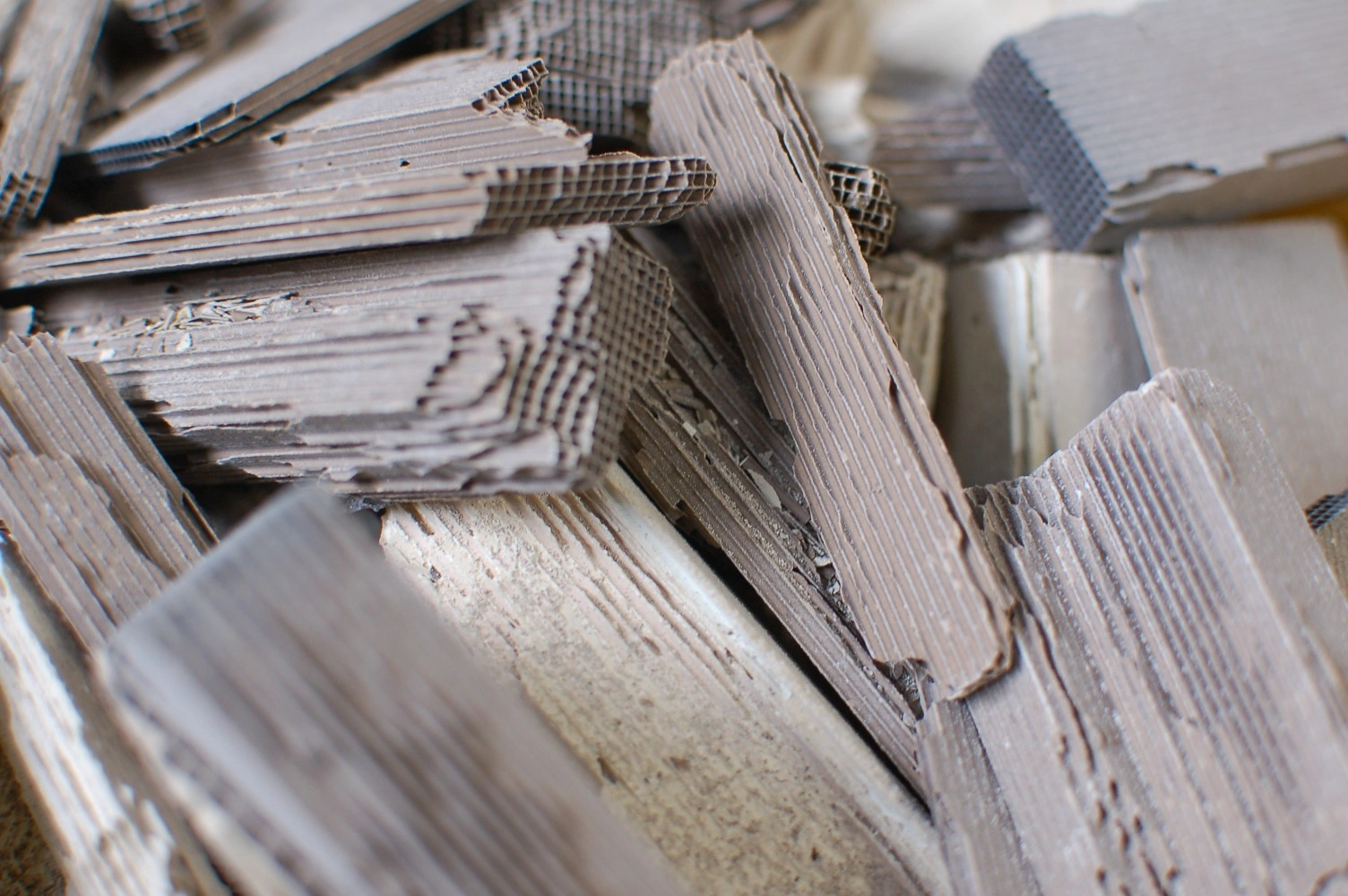


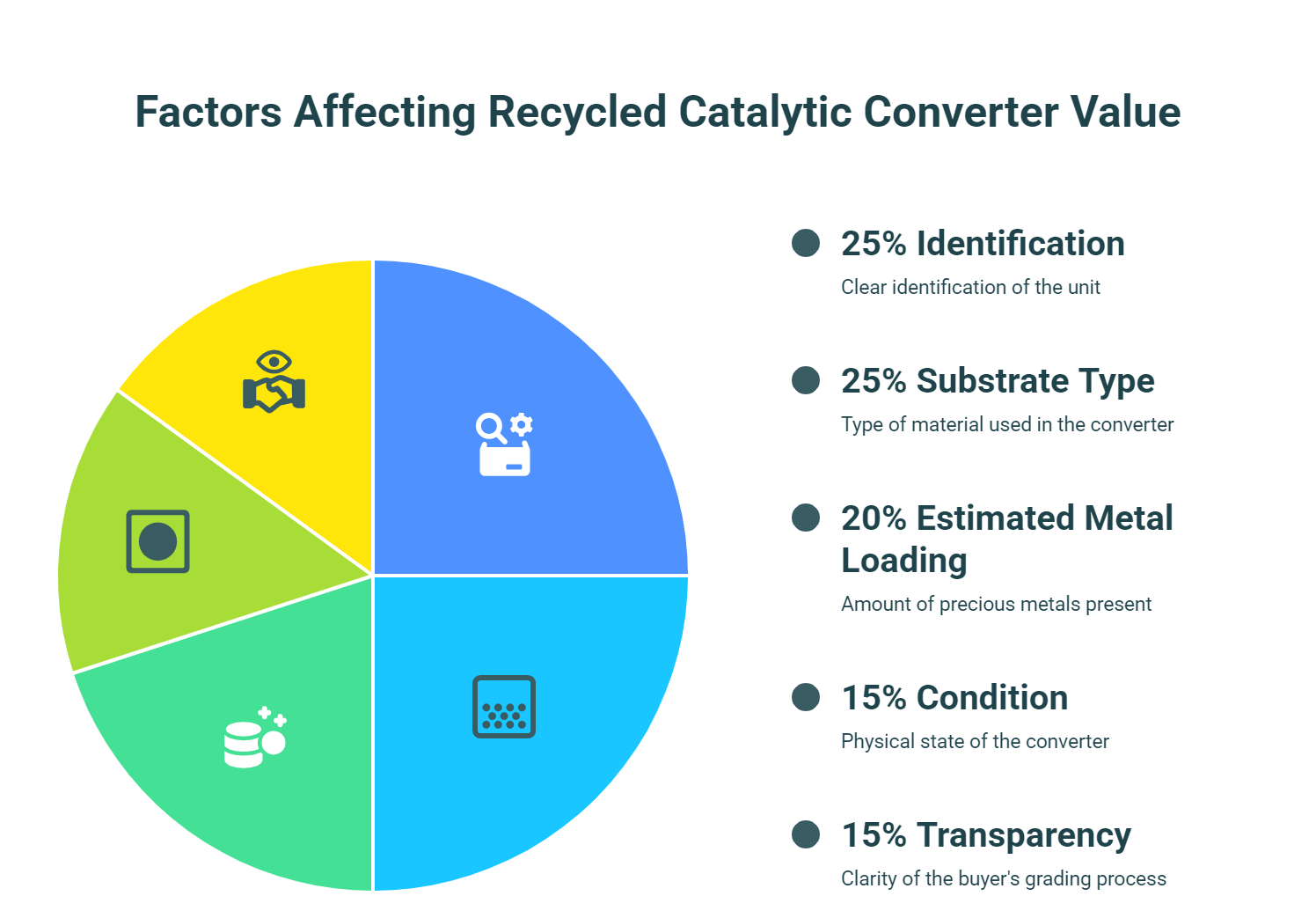 A fair catalytic converter price depends on identification, substrate type, estimated metal loading, condition, and how transparent the buyer is about grading and recovery. In short, value comes from what is inside the unit and how clearly that value is assessed.
Not every unit is equal. Original equipment parts may differ from aftermarket parts. Condition matters too. Severe damage, contamination, or missing identifiers can make assessment harder. That does not always destroy value, but it changes how the material should be handled and verified.
Sellers should also pay attention to process quality. Ask how the recycler identifies the unit, how material is sorted, and how the recovery path is explained. A transparent process is not a marketing extra. It is part of responsible handling.
A fair catalytic converter price depends on identification, substrate type, estimated metal loading, condition, and how transparent the buyer is about grading and recovery. In short, value comes from what is inside the unit and how clearly that value is assessed.
Not every unit is equal. Original equipment parts may differ from aftermarket parts. Condition matters too. Severe damage, contamination, or missing identifiers can make assessment harder. That does not always destroy value, but it changes how the material should be handled and verified.
Sellers should also pay attention to process quality. Ask how the recycler identifies the unit, how material is sorted, and how the recovery path is explained. A transparent process is not a marketing extra. It is part of responsible handling.