
Key Takeaways
- The right catalytic converter recycling partnership is built on proven experience, transparent valuation, and verifiable certifications – not just the highest headline offer.
- Ask how a recycler assesses metal content: assay-based valuation is far more accurate than a flat per-unit rate.
- Certifications such as ISO 14001 (environmental), ISO 9001 (quality), and ISO 45001 (safety) signal a compliant, professional operation.
- Logistics, payment terms, and data confidentiality matter as much as price for an ongoing business relationship.
- A good partner stays current with precious-metal market trends, so their valuations reflect real, up-to-date metal values.
- Recohub FZC combines experience, transparent valuation, and ISO-certified standards for businesses and individuals across the region.
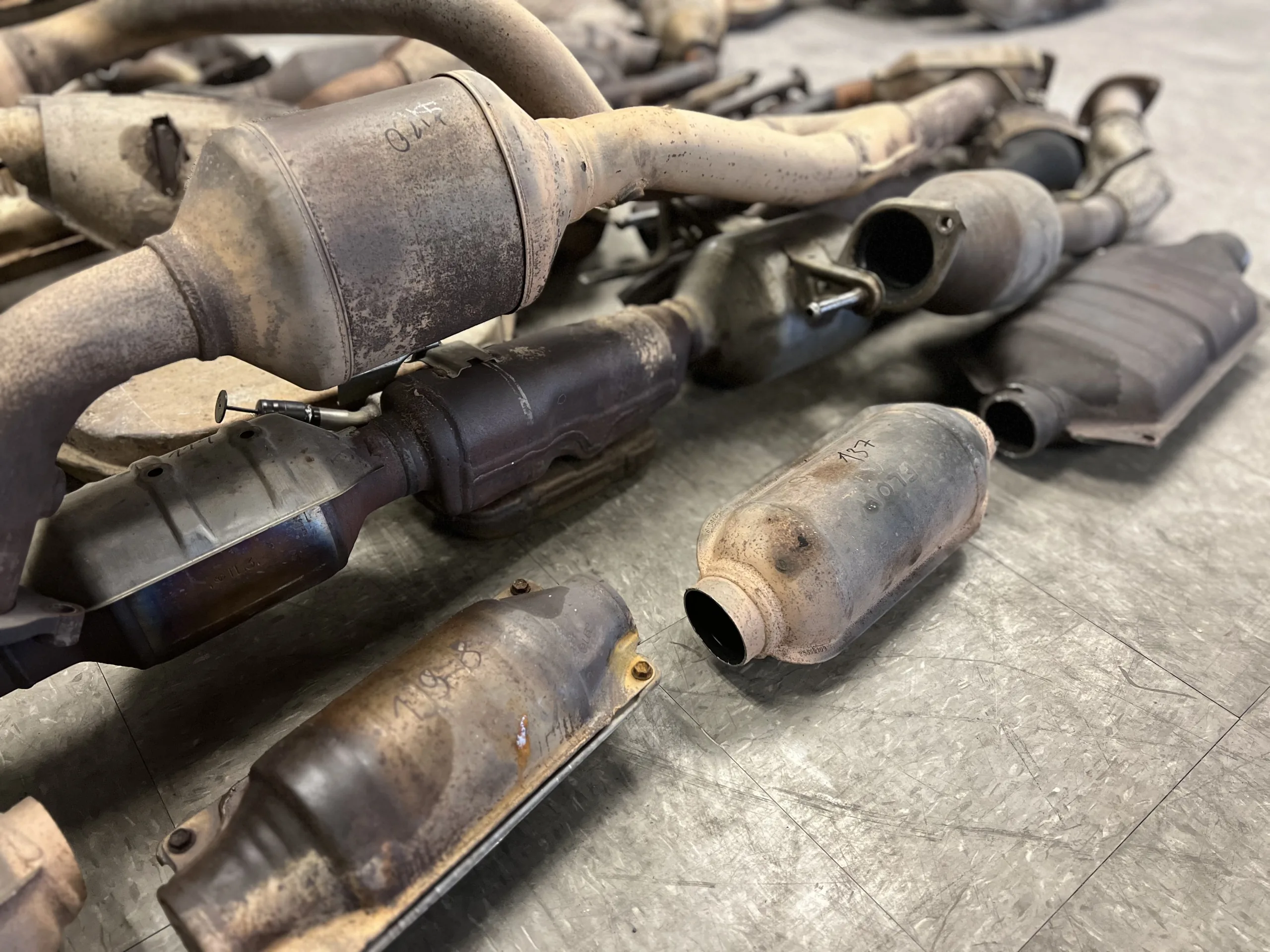
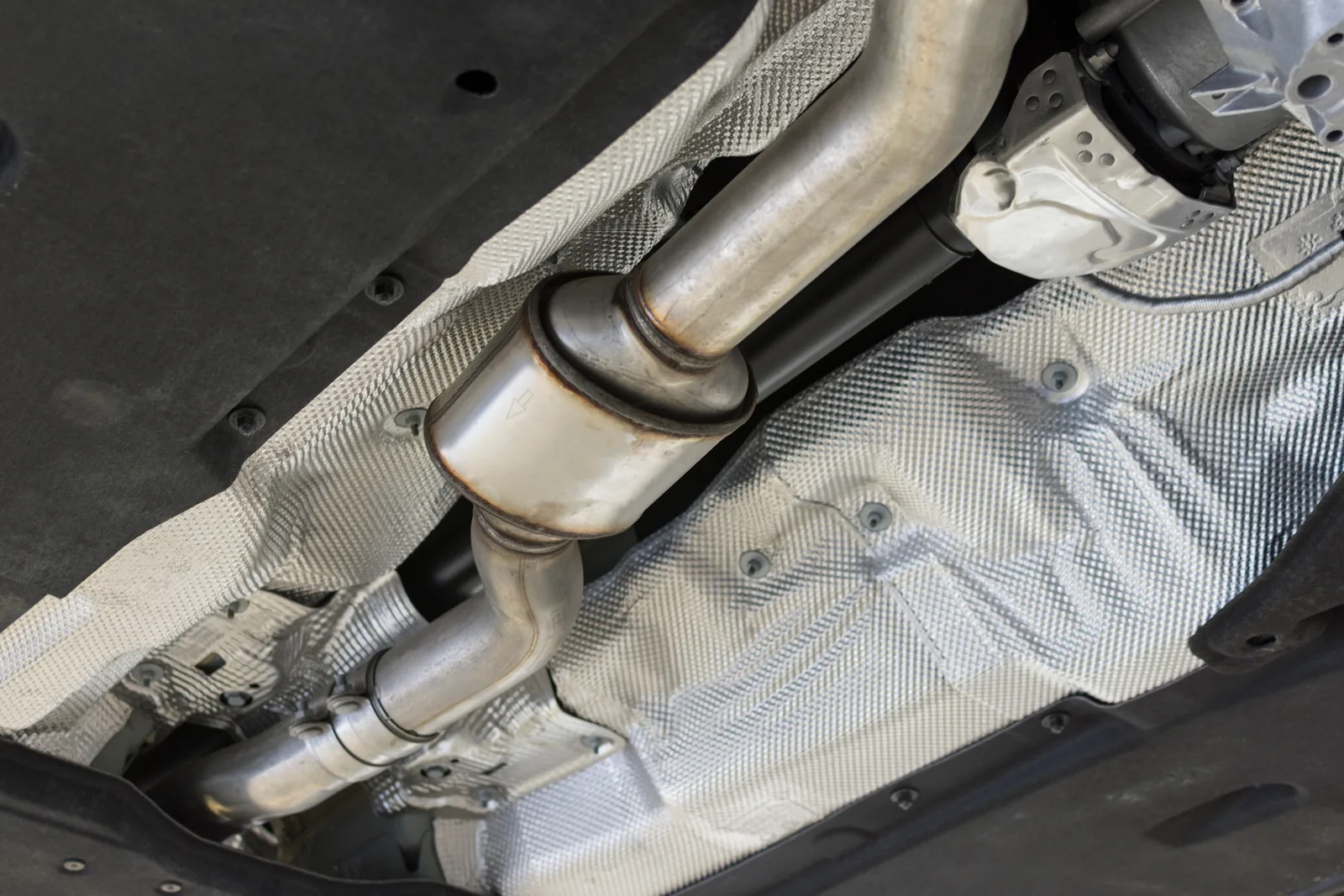
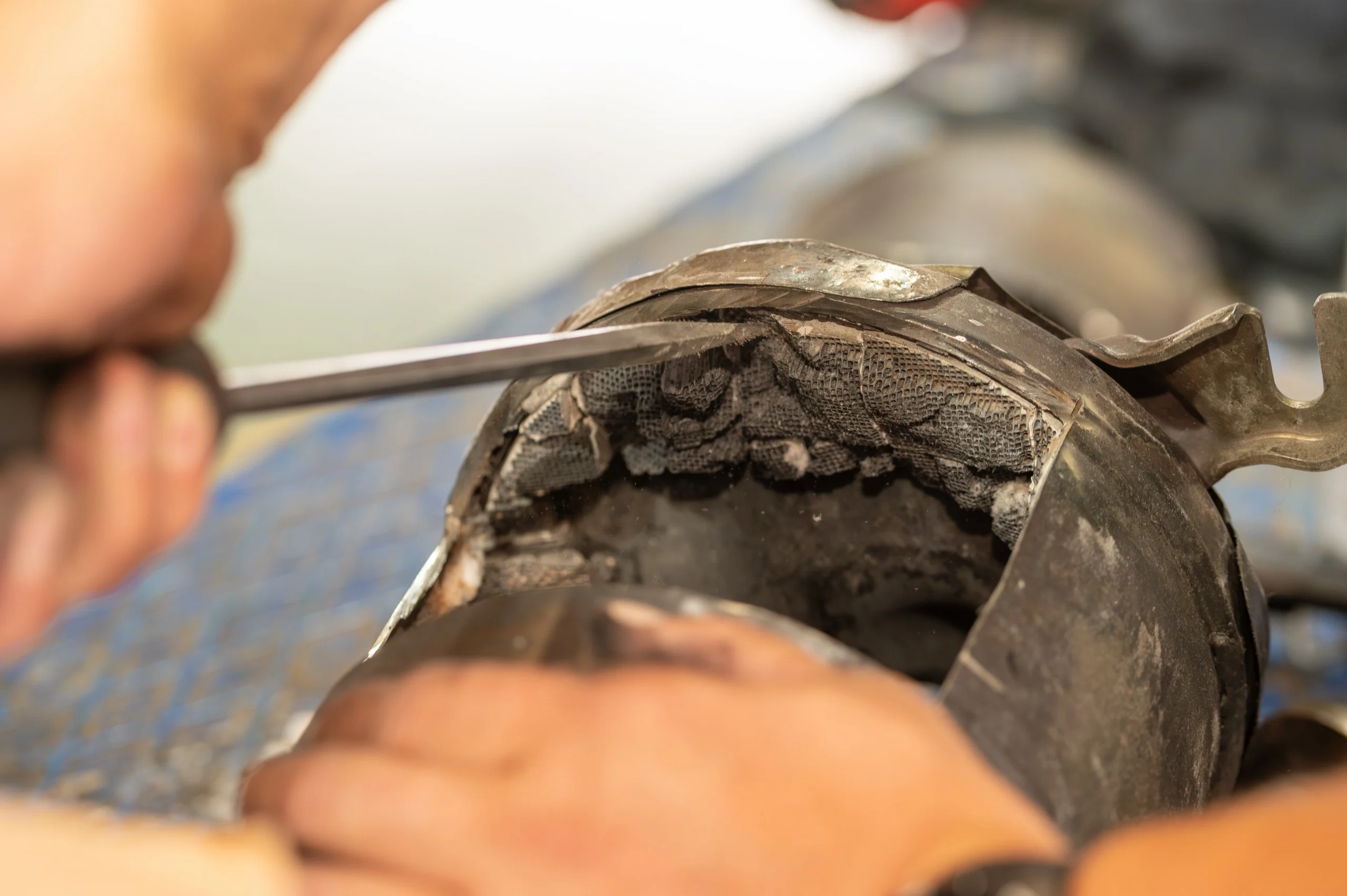
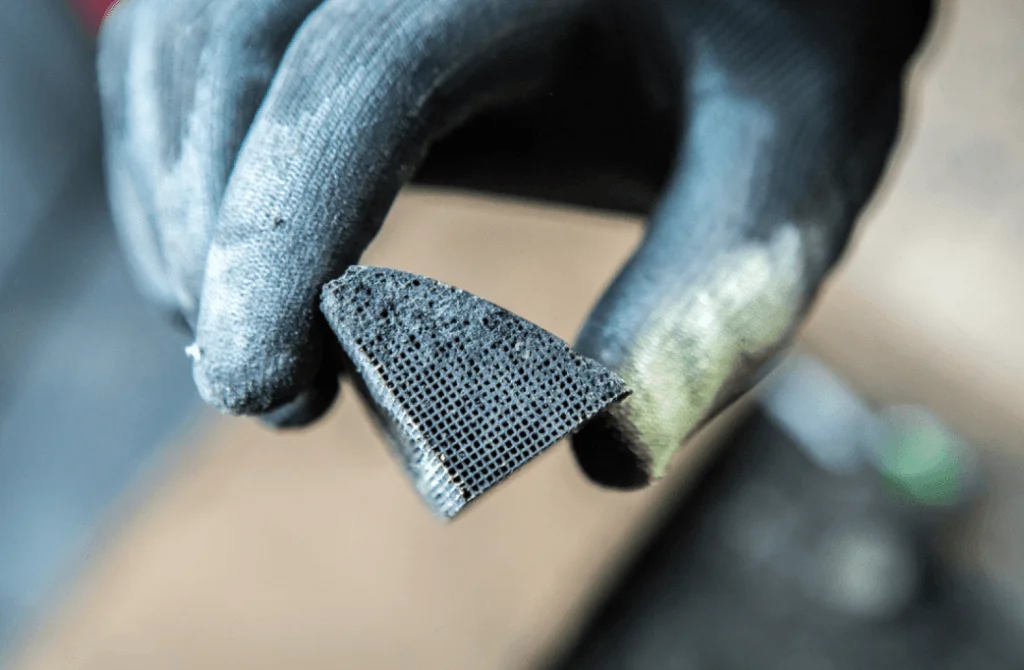
Finding a reliable and efficient catalytic converter recycling partner is essential for businesses involved in automotive repair, dismantling, or any industry handling end-of-life vehicles. Catalytic converters contain valuable precious metals, such as platinum, palladium, and rhodium, making them important components for recycling. However, the process of recycling these parts requires a trustworthy and knowledgeable partner. Here are key questions to ask yourself to discover the ideal catalytic converter recycling partner:
1. What Level of Experience and Expertise Am I Looking For in a Recycling Partner?
Why Ask:
Understanding the background and expertise you require helps ensure the catalytic converter recycler has the necessary experience to handle the process efficiently and responsibly.
Key Considerations:
- How many years of experience should the partner have?
- Do they need specific experience with catalytic converters?
- Are there any certifications or industry affiliations I consider essential?
2. What Methods of Assessment and Valuation Do I Expect from a Recycling Partner?
Why Ask:
Valuation accuracy directly impacts your returns. Different recyclers may use varied methods to assess the precious metal content and overall value of your catalytic converters.
Key Considerations:
- Which techniques do I trust for material analysis?
- How transparent should the valuation process be?
- Can I inquire about the catalytic converter prices prior assessment?
3. How Important Are References or Testimonials in My Decision-Making Process?
Why Ask:
References and testimonials offer insight into the catalytic converter recycler’s reputation, reliability, and quality of service.
Key Considerations:
- Do I need recent testimonials from clients similar to my business?
- How valuable are references from long-term clients to me?
4. What Environmental and Safety Standards Should My Recycling Partner Adhere To?
Why Ask:
Recycling catalytic converters involves handling hazardous materials. Ensuring your partner follows stringent environmental and safety standards is crucial for compliance and sustainability.
Key Considerations:
- Do they need to comply with specific local and international environmental regulations?
- What safety measures should be in place for handling and processing?
- Are there specific certifications, like ISO 14001, that I require?
5. What Are My Logistics and Transportation Needs for Catalytic Converters?
Why Ask:
Efficient logistics ensure timely collection and delivery, minimizing disruptions to your operations.
Key Considerations:
- Do I need regular collection services and scheduling?
- What transportation methods and tracking options are necessary for my operations?
6. What Payment Terms and Processes Are Most Beneficial for My Business?
Why Ask:
Understanding payment terms helps manage your cash flow and financial planning.
Key Considerations:
- What method of payments do I prefer?
- Are there any potential fees or deductions I need to be aware of?
7. How Important Is Data Security and Confidentiality to Me?
Why Ask:
Sensitive information about your business and the quantity of materials being recycled must be protected.
Key Considerations:
- What data protection policies should the partner have?
8. How Important Is It for My Recycling Partner to Stay Updated with Industry Trends and Market Changes?
Why Ask:
A catalytic converter recycler who stays current with industry trends can offer better advice and ensure you receive the best possible value.
Key Considerations:
- How adaptable should they be to changes in regulations and market conditions?
Conclusion
Choosing the right catalytic converter recycling partner involves thorough evaluation and self-reflection on your business needs and expectations. By addressing the points above, you can ensure that your selected partner is experienced, trustworthy, and capable of providing the best value while maintaining high standards of safety and environmental responsibility. This due diligence not only protects your business interests but also contributes to a sustainable and efficient recycling process.
Contact us!
For those seeking a reputable partner in catalytic converter recycling, consider Recohub. We offer extensive experience, transparent valuation methods, and a commitment to environmental and safety standards. With Recohub, you can be confident in the value and reliability of your catalytic converter recycling process.
FAQ
What should I look for in a catalytic converter recycling partner?
Look for proven experience, a transparent, assay-based valuation method, recognized certifications, clear logistics and payment terms, and confidentiality. The best partners explain how they reach a price rather than quoting a flat rate, and they back their standards with certifications such as ISO 14001. Price matters, but reliability and traceability protect your returns over the long term.
How can I tell if a catalytic converter recycler is trustworthy?
A trustworthy recycler assesses each unit individually, publishes or explains its valuation process, provides references or testimonials, and issues clear documentation. Be cautious of any buyer who quotes without inspecting the material, avoids paperwork, or cannot describe its analysis method. Certifications and a verifiable track record are strong signals of reliability.
What certifications should a recycling partner have?
The most relevant are ISO 14001 for environmental management, ISO 9001 for quality management, and ISO 45001 for occupational health and safety. Together they show a partner handles hazardous materials responsibly, maintains consistent processes, and protects its workers. Recohub FZC holds ISO 14001, ISO 9001, and ISO 45001 certifications.
How is the value of my catalytic converters determined?
Value is based on the measured platinum, palladium, and rhodium content of each unit, priced against current metal-market values. A professional partner uses laboratory analysis rather than a visual guess, because two similar-looking converters can hold very different amounts of precious metal. This assay-based approach gives a fair, unit-specific figure.
Does Recohub work with both businesses and individuals, and which regions does it serve?
Yes. Recohub FZC works with businesses and individuals alike, from single units to regular volumes. Based in the UAE, it serves the Middle East and South Asia and beyond, with established logistics networks for collection, transparent valuation, and fast, traceable payment.