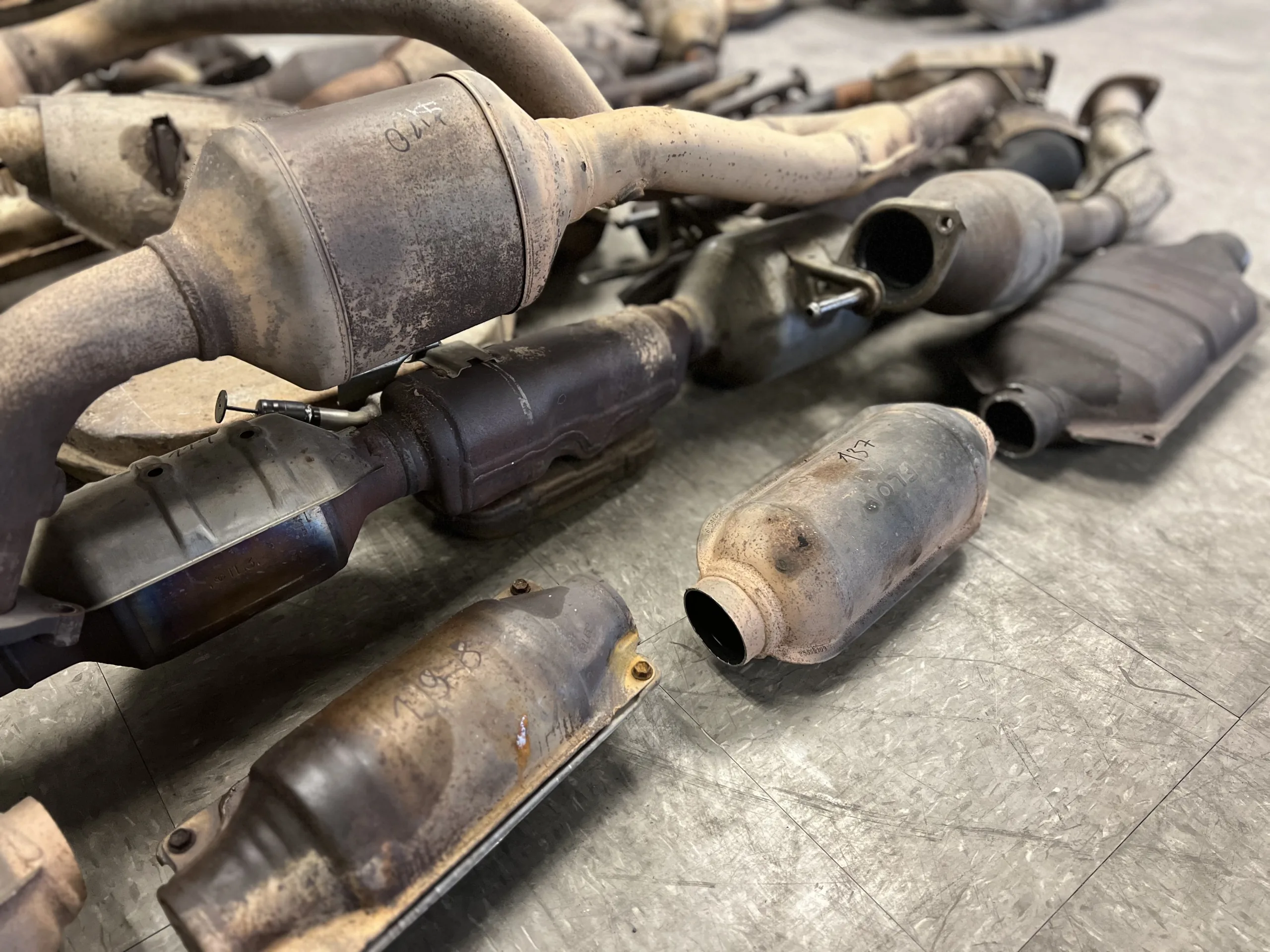
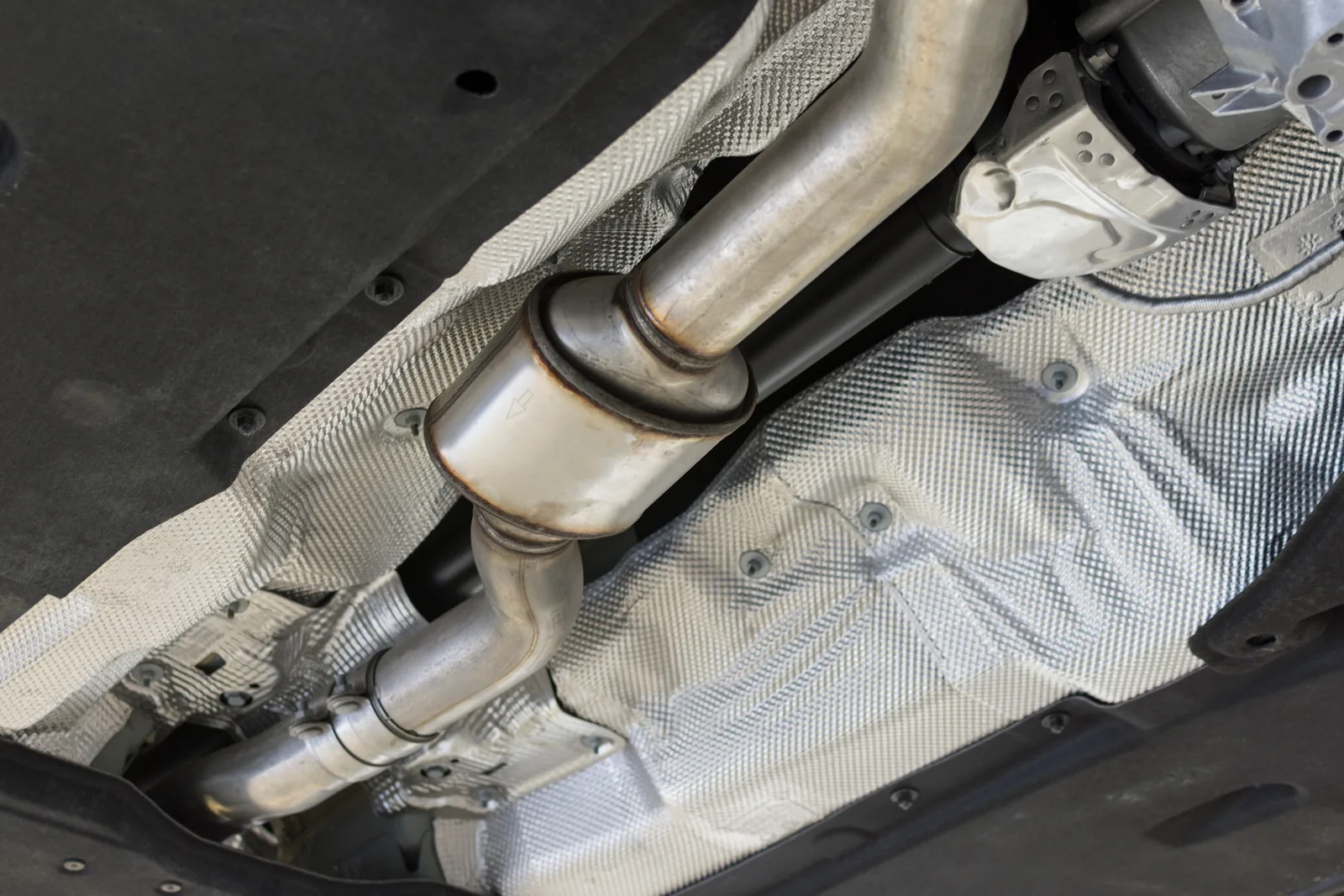
Introduction: The rising demand for sustainable practices in various industries has led to some surprising connections. One such link exists between recycling and the jewelry market. Precious metals recovered from used converters are becoming a key material for crafting durable, lower-impact jewelry. For businesses and individuals, a used catalytic converter is not just scrap – it can become part of a circular supply chain that keeps valuable material in use.
Used vehicle converters can supply platinum, palladium, and rhodium for reuse after industrial refining.
Jewelry makers do not use raw converter material – they use refined metal that meets manufacturing needs.
Recycling reduces waste and supports a more circular precious-metal supply chain.
Value depends on identification, metal content, condition, and lawful, documented sourcing.
Sellers should avoid guesswork, keep records, and work with a specialist recycler.
Hybrid and standard vehicle units both require proper sorting before recovery and refining.
Can old converters become jewelry metal?
Yes. The metals inside spent vehicle converters can be recovered, refined, and then used again in industries that need high-purity material, including jewelry manufacturing.
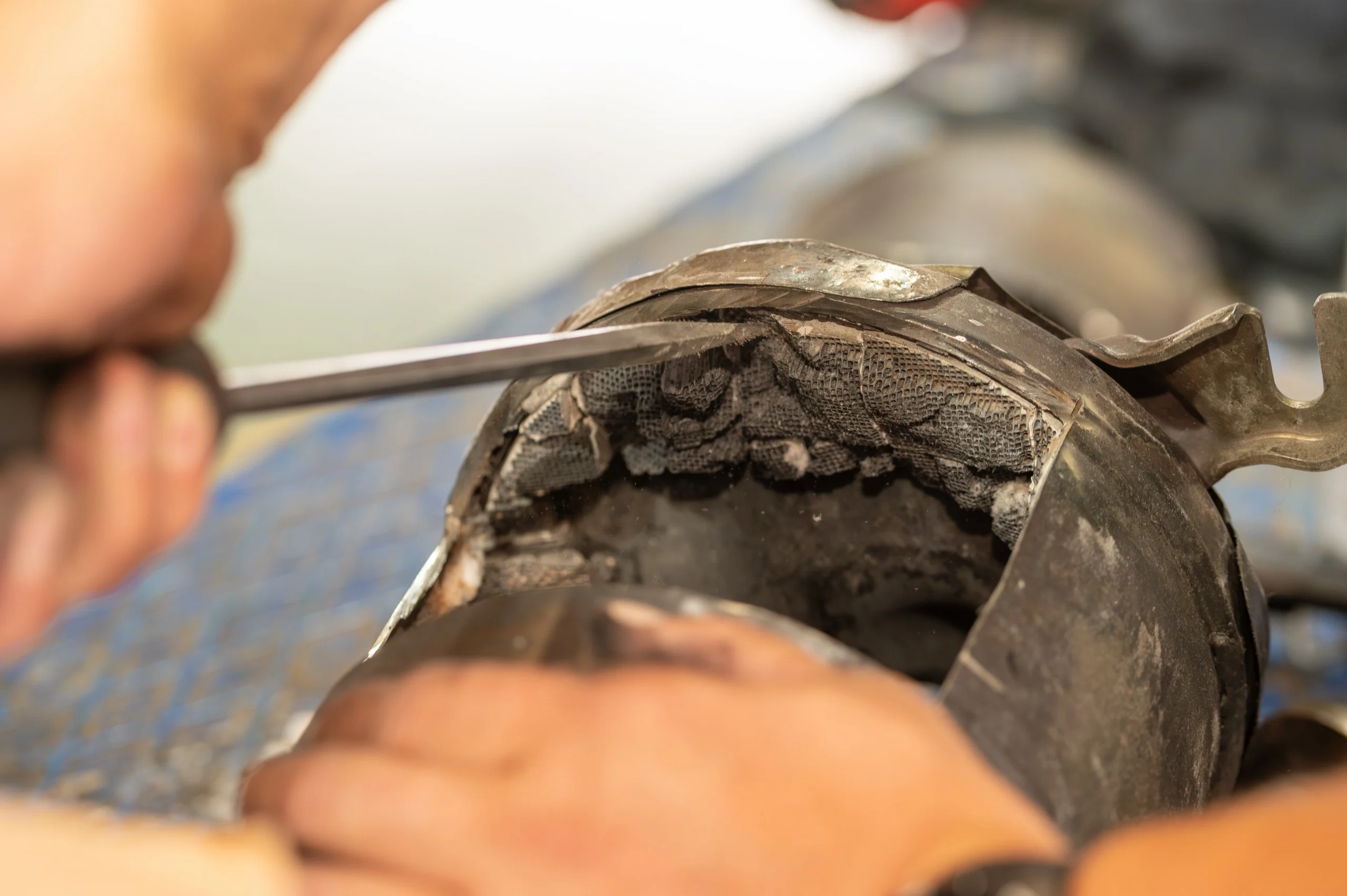
This connection sounds unusual at first, but the logic is simple. A converter is built to help control emissions, and it does that with a thin coating of precious metals. Once the unit reaches the end of its vehicle life, those same metals still matter. They can move from waste stream to refinery and then back into production.
The original idea still holds true: there is a real link between converter recycling and the jewelry market. The jewelry industry’s shift toward sustainability has made recycled feedstock more attractive, especially when buyers want a cleaner sourcing story without lowering quality expectations.
That does not mean a jeweler buys a used part and melts it into a ring. The raw ceramic or metallic substrate must first be processed by specialist recyclers and refiners. Only after recovery and purification can the metal enter a new manufacturing cycle.
What metals are inside?
Spent converters mainly matter because they can contain platinum, palladium, and rhodium. These are platinum-group metals valued for catalytic performance, rarity, and reuse potential.
According to the U.S. Geological Survey, platinum-group metals include platinum, palladium, and rhodium, all of which have important industrial uses. That is why end-of-life converters remain valuable long after the vehicle is retired.
Searches for catalytic converter precious metals, catalytic converters precious metals, and precious metals in catalytic converters all point to the same basic fact: these units can hold platinum-group metals that are worth recovering instead of discarding.
Jewelry makers value those metals for properties such as durability, brightness, and corrosion resistance. However, they only become suitable for jewelry after controlled refining. That refining step is what turns a dirty, mixed industrial feed into usable metal.
Why does recycling matter?
Recycling matters because it keeps scarce metals in circulation and reduces the need to rely only on newly mined supply. It also helps prevent useful material from being wasted.
Spent autocatalysts are more than automotive waste. According to ScienceDirect, spent automotive catalysts are an important secondary source of platinum-group metals. In plain terms, old units already contain material that industry needs, so recovery makes sense.
This is why recycling has environmental and practical value at the same time. When useful metal returns to the supply chain, manufacturers gain another source of feedstock. At the same time, less material sits unused in yards, bins, or landfills.
If you want a broader view of why this matters beyond jewelry alone, Recohub’s overview of the importance of recycling catalytic converters explains how recovery supports both resource efficiency and cleaner waste handling.
The basic value case from the original article remains strong. Recycling is not only about clearing out old vehicle parts. It is also about preserving material that still has industrial life left in it.
How does the journey work?
The journey usually follows four stages: collection, identification, processing, and refining. The metal only reaches jewelry or other manufacturing markets after those steps are completed properly.
Here’s how this connection works:
Used units are collected through licensed recycling channels.
Each unit is identified so the recycler can estimate likely metal content and route it correctly.
Material is processed, sampled, and sent into refining streams that recover the target metals.
Refined metal returns to manufacturers that need consistent, clean feedstock.
If you are wondering about how to recycle catalytic converter platinum, the short answer is that you do not separate it by hand. A proper catalytic converter recycling process uses industrial handling, sampling, and refining as part of wider precious metal catalyst recycling.
What happens first?
The first step is accurate intake and identification. A recycler needs to know what kind of unit arrived before assigning value or sending it to the next stage.
Once an automotive catalytic converter enters a formal recycling stream, it is no longer just a generic piece of scrap. It becomes a traceable item that should be sorted, documented, and prepared for proper recovery.
That early sorting step matters because not all units are the same. Vehicle type, part design, and source documentation can affect how the recycler evaluates and processes the material. Good identification also helps reduce disputes and keeps the transaction clearer for the seller.
What about hybrid units?
Hybrid units also need careful identification before recycling. The key point is not the badge on the car but the recycler’s ability to sort and route the unit correctly.
The same rule applies to hybrid vehicle catalyst recycling: clear identification comes before recovery. Sellers should avoid assumptions and let a specialist evaluate the part instead of guessing its type or likely metal content.
This is one reason professional recycling beats informal handling. A recycler that works with converter streams every day can place each unit into the right workflow, which supports better documentation and better downstream refining.
Which stages connect scrap to jewelry?
Scrap does not become jewelry in one jump. It moves through a chain that starts with collection and ends with refined metal ready for manufacturing use.
The table below shows the practical link between used vehicle parts and finished jewelry supply.
Stage
What happens
Why it matters to jewelry supply
Collection
Used units are gathered through lawful recycling channels.
Traceable sourcing lowers risk and keeps material in the circular economy.
Identification
The recycler sorts units by type, origin, and likely content.
Better sorting supports more accurate recovery planning.
Processing
Material is prepared for sampling and recovery.
Mixed scrap becomes a controlled industrial feed.
Refining
Target metals are recovered and purified.
Only refined metal can meet manufacturing needs for new products.
Manufacturing
Refined metal enters industrial or jewelry production.
Recovered material gains a new life instead of being wasted.
What affects value?
Value usually depends on recoverable metal content, accurate identification, condition, and documentation. In other words, the more clearly a unit can be classified and processed, the easier it is to assess fairly.
This is where many sellers get confused. They may assume every unit has the same worth, or that appearance alone tells the story. It does not. What matters is what the recycler can verify and recover through the correct process.
The catalytic converter price offered by a recycler is therefore tied to evidence, not guesswork. The offer reflects what the unit is, what it likely contains, and how it fits into the recovery stream.
For a stronger grounding in what makes some units more valuable than others, Recohub’s guide to identifying valuable metals in converters is a useful companion read.
Which factors matter most?
The biggest factors are type, identifiable origin, and expected metal loading. Clean, lawful, well-documented material is easier to evaluate and recycle than anonymous, altered, or damaged units.
Sellers often focus on the wrong signals. Surface rust, dirt, or age may look important, yet those details alone do not determine metal content. A trained buyer will care more about what the unit is, whether it has been tampered with, and how confidently it can be graded.
Identification marks or part references help the recycler classify the unit.
Untampered parts are easier to assess than cut, crushed, or incomplete ones.
Proper handling protects the material until it reaches the recovery stage.
That is also why informal buyers can create confusion. Without a clear grading method, sellers may struggle to understand why one offer differs from another.
Can recycled metal meet jewelry standards?
Yes, if the metal has been properly refined. Jewelry manufacturing needs purified metal, not raw converter material.
This is the most important point for anyone imagining the crossover between vehicle recycling and jewelry design. The converter is the starting source, not the finished input. Recovered metal must go through industrial refining before it can be used in casting, alloying, fabrication, or finishing.
That refined output is what gives recycled supply its real value. It lets manufacturers use already-recovered metal in a form that meets technical needs while supporting sustainability goals. So the phrase “converters fuel jewelry” is true, but only through a serious recovery chain.
The original article was right to highlight a new purpose for old converters. The better way to frame it today is this: converters help feed a recycled metal supply that can support multiple sectors, and jewelry is one of the most visible examples.
What should sellers do first?
Sellers should start with lawful ownership, good records, and professional identification. Those steps protect value and reduce the risk of delays or rejected material.
Before recycling a unit, keep the paperwork you have, avoid unnecessary cutting or dismantling, and ask how the recycler identifies and grades material. A specialist service can explain the route from intake to valuation in plain language.
If you are comparing buyers, do not look only at the first headline offer. Ask how the unit will be identified, whether documentation is required, and how the recycler handles mixed loads. Those questions often tell you more than a vague promise.
This is also where clear communication matters. A seller who understands the process usually makes fewer mistakes, ships cleaner material, and gets a smoother outcome.
Why do ethics and paperwork matter?
Ethics and paperwork matter because traceable recycling protects both the seller and the wider market. Clean sourcing helps reputable recyclers keep valuable material in legal circulation.
Converter theft has made documentation more important, not less. When material enters the market through proper channels, recyclers can process it with more confidence and manufacturers can rely on a cleaner supply chain story.
That matters to jewelry too. Buyers who care about sustainability usually also care about sourcing. Recycled metal only strengthens a product claim when the chain behind it is credible.
Clear grading, lawful collection, and documented intake also help explain why scrap catalytic converter prices can vary from one unit to another. The number is not random – it reflects what can be identified and responsibly recovered.
Why is this link growing stronger?
This link is growing stronger because more industries want recycled inputs and more sellers understand that old converters still hold useful material. Circular supply chains now matter to both industrial buyers and end consumers.
The jewelry sector is a good example because the finished product is visible, personal, and easy to explain. People understand the story of a recycled metal ring or pendant. Yet the same recovered material can also support many other applications.
That is why the converter-to-jewelry connection is worth attention. It shows how one discarded vehicle part can support a much wider system of reuse. Instead of thinking only about disposal, sellers can think in terms of recovery, refining, and second life.
For anyone working with end-of-life vehicle parts, that shift in mindset is useful. A converter is not just debris from an old car. In the right hands, it is part of a material loop with real environmental and industrial value.
Summary
Used converters can help fuel jewelry production because they contain platinum-group metals that can be recovered, refined, and returned to manufacturing. The process is not direct, but the supply-chain link is real.
The most practical takeaway is simple. Treat each unit as recoverable material, not as random scrap. Proper identification, lawful sourcing, and specialist recycling are what turn an end-of-life part into useful metal again.
For sellers, value comes from clarity. Know what you have, keep documentation, and work with a recycler that handles the process in a structured way. That approach supports fairer assessment and a cleaner circular outcome.
FAQ
Can a used vehicle converter really end up in jewelry?
Yes. After recovery and refining, the precious metals from spent units can re-enter manufacturing streams that include jewelry production.
Are raw converter parts melted straight into jewelry?
No. Raw parts must be processed and refined first. Jewelry makers use purified metal, not untreated converter material.
What metals make old units worth recycling?
The main targets are platinum, palladium, and rhodium. These metals are valuable because they are useful, limited, and recoverable.
What should a seller do before handing over a unit?
Keep proof of lawful ownership, avoid damaging the part, and use a specialist recycler that can identify and grade it properly.
Why do offers differ between units?
Offers differ because units vary by type, identifiable origin, expected metal content, and condition. Clear documentation and accurate grading help explain those differences.

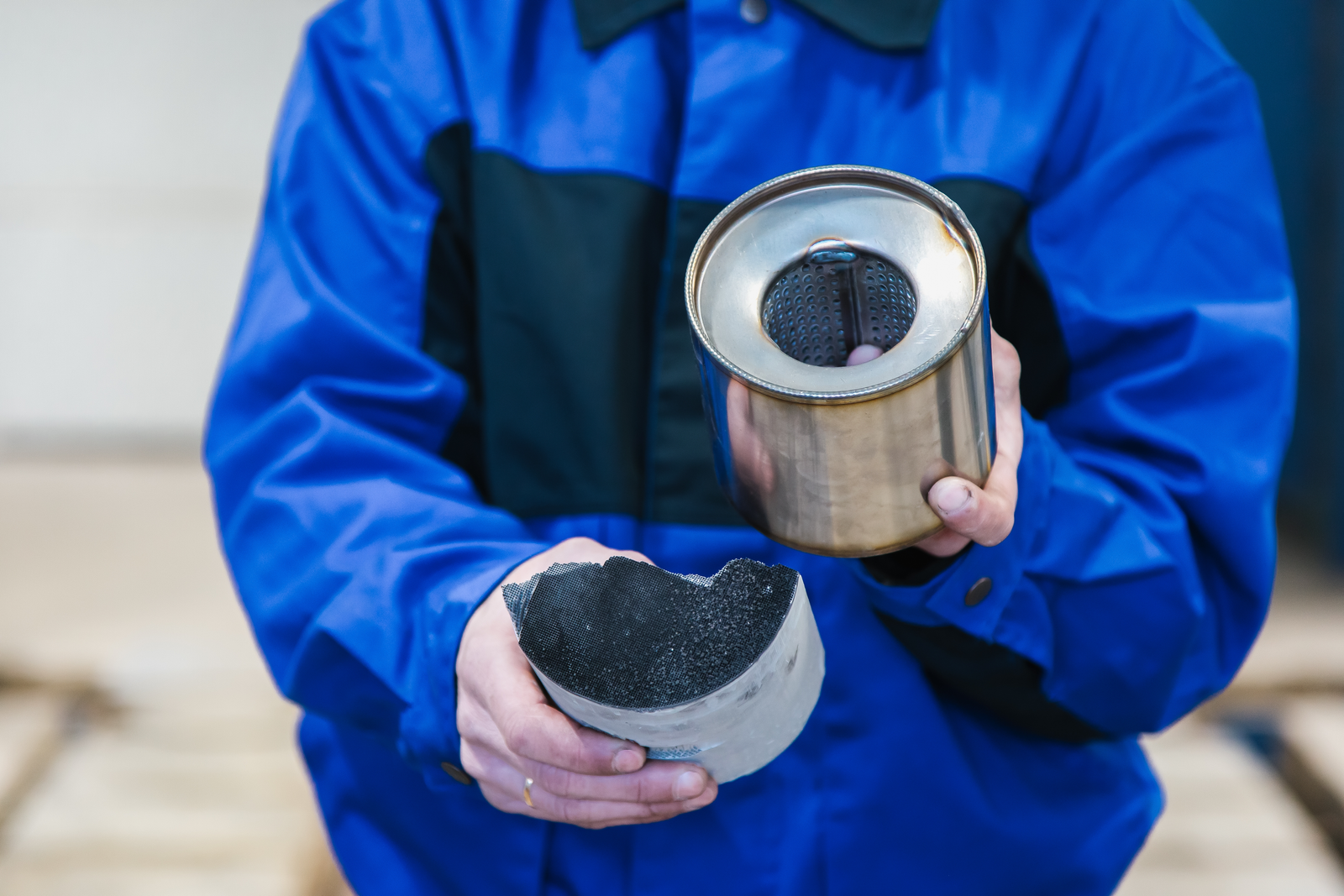

 Spent converters mainly matter because they can contain platinum, palladium, and rhodium. These are platinum-group metals valued for catalytic performance, rarity, and reuse potential.
According to the U.S. Geological Survey, platinum-group metals include platinum, palladium, and rhodium, all of which have important industrial uses. That is why end-of-life converters remain valuable long after the vehicle is retired.
Searches for catalytic converter precious metals, catalytic converters precious metals, and precious metals in catalytic converters all point to the same basic fact: these units can hold platinum-group metals that are worth recovering instead of discarding.
Jewelry makers value those metals for properties such as durability, brightness, and corrosion resistance. However, they only become suitable for jewelry after controlled refining. That refining step is what turns a dirty, mixed industrial feed into usable metal.
Spent converters mainly matter because they can contain platinum, palladium, and rhodium. These are platinum-group metals valued for catalytic performance, rarity, and reuse potential.
According to the U.S. Geological Survey, platinum-group metals include platinum, palladium, and rhodium, all of which have important industrial uses. That is why end-of-life converters remain valuable long after the vehicle is retired.
Searches for catalytic converter precious metals, catalytic converters precious metals, and precious metals in catalytic converters all point to the same basic fact: these units can hold platinum-group metals that are worth recovering instead of discarding.
Jewelry makers value those metals for properties such as durability, brightness, and corrosion resistance. However, they only become suitable for jewelry after controlled refining. That refining step is what turns a dirty, mixed industrial feed into usable metal.
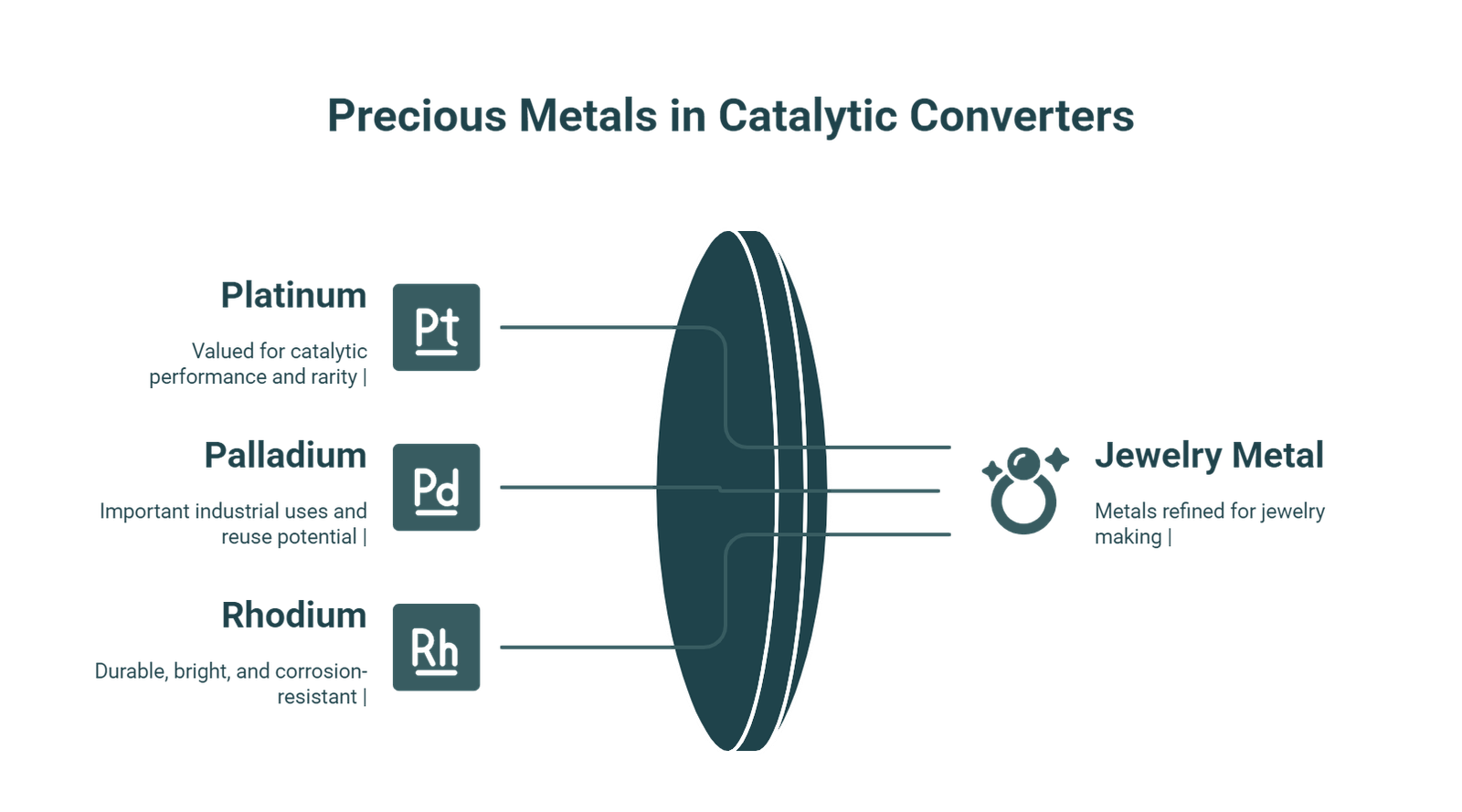 Spent converters mainly matter because they can contain platinum, palladium, and rhodium. These are platinum-group metals valued for catalytic performance, rarity, and reuse potential.
According to the U.S. Geological Survey, platinum-group metals include platinum, palladium, and rhodium, all of which have important industrial uses. That is why end-of-life converters remain valuable long after the vehicle is retired.
Searches for catalytic converter precious metals, catalytic converters precious metals, and precious metals in catalytic converters all point to the same basic fact: these units can hold platinum-group metals that are worth recovering instead of discarding.
Jewelry makers value those metals for properties such as durability, brightness, and corrosion resistance. However, they only become suitable for jewelry after controlled refining. That refining step is what turns a dirty, mixed industrial feed into usable metal.
Spent converters mainly matter because they can contain platinum, palladium, and rhodium. These are platinum-group metals valued for catalytic performance, rarity, and reuse potential.
According to the U.S. Geological Survey, platinum-group metals include platinum, palladium, and rhodium, all of which have important industrial uses. That is why end-of-life converters remain valuable long after the vehicle is retired.
Searches for catalytic converter precious metals, catalytic converters precious metals, and precious metals in catalytic converters all point to the same basic fact: these units can hold platinum-group metals that are worth recovering instead of discarding.
Jewelry makers value those metals for properties such as durability, brightness, and corrosion resistance. However, they only become suitable for jewelry after controlled refining. That refining step is what turns a dirty, mixed industrial feed into usable metal.
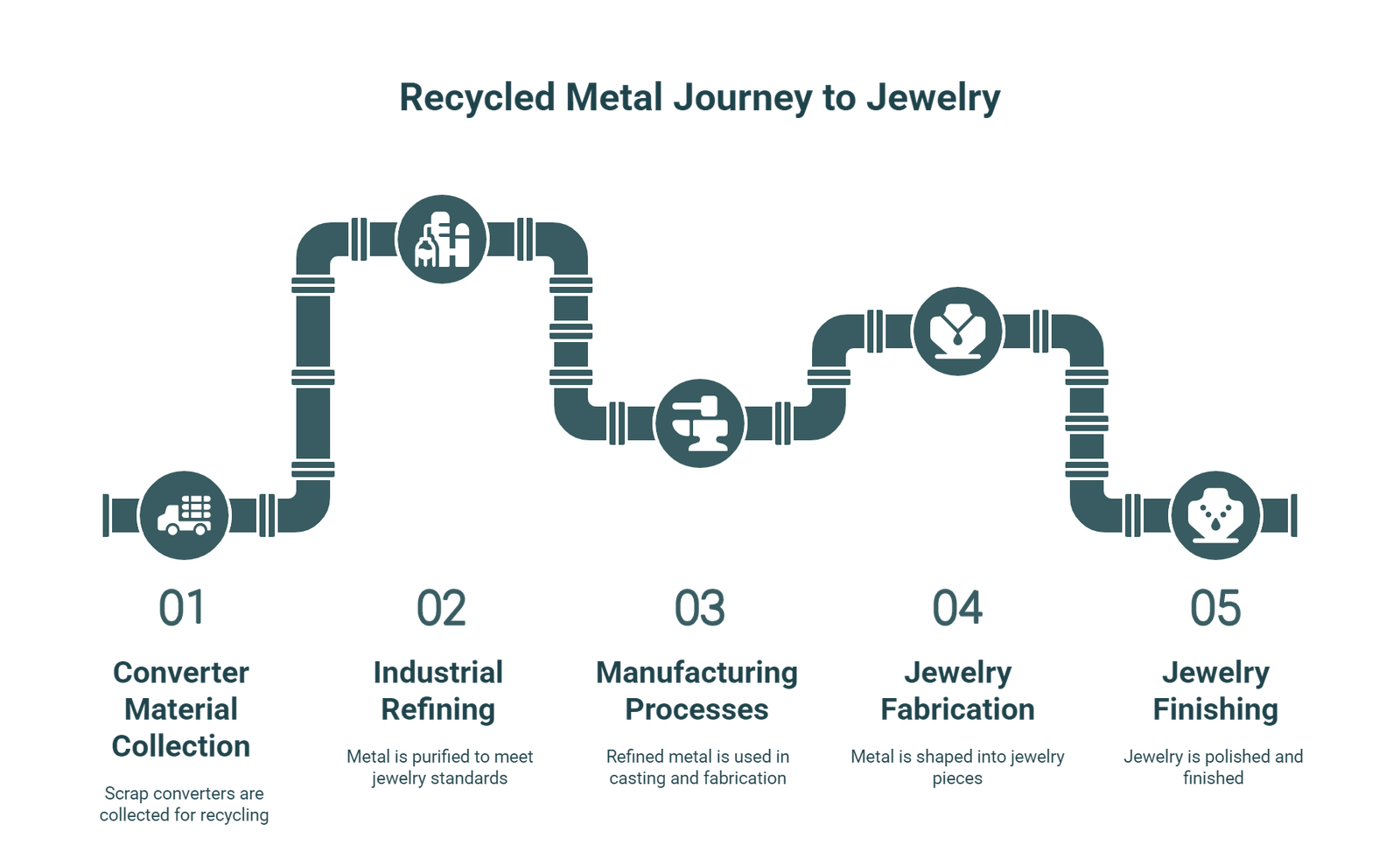 Yes, if the metal has been properly refined. Jewelry manufacturing needs purified metal, not raw converter material.
This is the most important point for anyone imagining the crossover between vehicle recycling and jewelry design. The converter is the starting source, not the finished input. Recovered metal must go through industrial refining before it can be used in casting, alloying, fabrication, or finishing.
That refined output is what gives recycled supply its real value. It lets manufacturers use already-recovered metal in a form that meets technical needs while supporting sustainability goals. So the phrase “converters fuel jewelry” is true, but only through a serious recovery chain.
The original article was right to highlight a new purpose for old converters. The better way to frame it today is this: converters help feed a recycled metal supply that can support multiple sectors, and jewelry is one of the most visible examples.
Yes, if the metal has been properly refined. Jewelry manufacturing needs purified metal, not raw converter material.
This is the most important point for anyone imagining the crossover between vehicle recycling and jewelry design. The converter is the starting source, not the finished input. Recovered metal must go through industrial refining before it can be used in casting, alloying, fabrication, or finishing.
That refined output is what gives recycled supply its real value. It lets manufacturers use already-recovered metal in a form that meets technical needs while supporting sustainability goals. So the phrase “converters fuel jewelry” is true, but only through a serious recovery chain.
The original article was right to highlight a new purpose for old converters. The better way to frame it today is this: converters help feed a recycled metal supply that can support multiple sectors, and jewelry is one of the most visible examples.